


Top-rated haulers.

Get matched with top haulers in Centerville, MA

Enter your zip and get matched with up to 5 pros

TRUSTED BY CENTERVILLE, MA HOMEOWNERS

  • Average homeowner rating star icon4.8
    Average homeowner rating
  • Verified reviews icon118
    Verified hauling services reviews

Find Haulers in Centerville

...
Showing 1-10 of 72
Hauling questions, answered by experts

Branches, leaves, grass clippings, and landscaping debris are typically collected.

In many cases, you can sell or upcycle rebar that you don't need. Rebar is often repurposed to make furniture, decorations, and other structural projects. However, if you want to recycle rebar, you'll need to separate it from any other materials you worked with, like concrete, and then contact your local municipality to see if they have a recycling program near you.

Disposing of old paint, bleach, oil, and fertilizer should be handled by a company that specializes in this kind of waste. Many private junk removal companies do not dispose of these items. Because these materials are hazardous to the environment and dangerous to handle or dispose of improperly, you should confirm with your local municipality about places to take hazardous materials for safe disposal. 

The Global E-waste Statistics Partnership (GESP) aims to collect worldwide e-waste statistics in an internationally standardized way. It also works to bring awareness to electronic waste and the issues it causes.

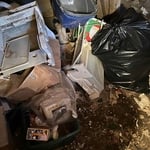
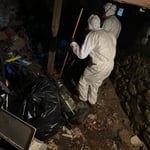
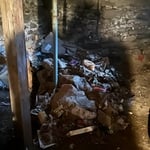
While a biohazard cleanup sounds like a scary process, knowing what to expect can help ease your concerns and set you up for success. It’s good to note that more than one professional might be needed depending on your situation, but that will be determined during the assessment. What you can expect during a home biohazard cleanup is the following:

  • Assessment: The first step in this process is for a biohazard cleanup professional to assess the damage. They create a report that includes the biohazard safety level, the needed damage cleanup, and the time it should take to complete the project. 

  • Setup: The cleanup professional prepares the site to prevent cross-contamination and reduce toxicity risk. This process can include tarping and creating decontamination zones. 

  • Removal of surface contamination: Any contaminated materials are removed from the area, starting with large materials followed by small ones. The professional can assess any floor-related damage once everything is removed from the site. 

  • Salvaging items: The biohazard cleanup professionals assess which items can be saved and which are contaminated beyond the point of saving. Those deemed unsafe will be disposed of immediately. 

  • Waste disposal: The next step is carefully disposing of the hazardous waste. Your professional will place the contaminated items in specific containers to keep the contamination from spreading.   

  • Disinfection: The house will be disinfected and odor-neutralized. Even more minor details, like light switches and bulbs, will be disinfected so that they do not recontaminate the area in the future. 

  • Restoration: Once the decontamination is complete, the last step is to restore the home. This includes repairing the damage to flooring, walls, or even the home's foundation.  

The Centerville, MA homeowners’ guide to hauling services

From average costs to expert advice, get all the answers you need to get your job done.