




Top-rated concrete driveway pros.
Get matched with top concrete driveway pros in Rosepine, LA
Enter your zip and get matched with up to 5 pros

Need a pro for your concrete driveway service project in Rosepine, LA?

Select your specific project to find the pro for you.

Find Concrete driveway pros in Rosepine

Avatar for Whispering Pines Earthworks, LLC
Whispering Pines Earthworks, LLC
5.0(
8
)
Concrete Patios, Walks & Steps- Install

Serving Rosepine, LA and surrounding areas

In business since 2010

Free estimates

Small jobs welcome

"They reached out to work with my schedule. Arrived on time, outstanding customer service. Worked quickly and effectively and completed work on time as promised. Very happy with experience."
Response time10 hrs
Response rate91%
Recommended by100%of homeowners
Avatar for Hope's Handyman
Hope's Handyman
4.9(
6
)
Concrete Patios, Walks & Steps- Install

Serving Rosepine, LA and surrounding areas

In business since 2022

Free estimates

Credit card accepted

"I have had several things repaired around my house by Hope's Handyman. He does an incredible job and the work is reasonably priced. I will definitely be calling Hope's Handyman for all of my future handyman needs!"
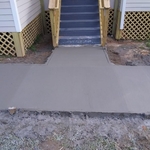
Before and after
Before and after
Before and after
Before and after
Before and after

+4

Response time20 mins
Recommended by100%of homeowners
Showing 1-10 of 32
Concrete Driveways questions, answered by experts

Since freeze-thaw cycles throughout the winter months can damage your driveway, it's best to winterize your driveway in the late fall before the first freeze hits. Doing so will help to protect your driveway from damage throughout the winter season. Plus, drier, warmer weather makes applying and curing sealant much easier.

The ideal frequency for pressure washing depends on the surface being cleaned and your local environmental conditions. For a home's exterior with siding that is safe to wash (such as vinyl, cement, or aluminum), a full wash once or twice a year is a good guideline to remove accumulated dirt, grime, mold, and mildew. You may need to wash more frequently if you live in an area with heavy rain or snow, near a dirt road, or if you notice excessive buildup. Other surfaces have different schedules; for example, a frequently used driveway may need cleaning more often, while outdoor patio furniture might only need to be washed every few years. Use your discretion based on how dirty the area gets.

You should wait until your pavers have completely dried and cured before pressure washing them. Wait at least three to five days, though some sealants may need up to an entire week. Rushing that timeline can mess with the finish, weaken the seal, or leave streaks that are tough to fix. Once the sealant has fully set, stick to a gentle approach. Keep the pressure under 1,500 PSI and hold the nozzle at least two feet from the surface. Anything stronger or closer can blast the joint sand loose or wear down the sealant you just applied.

The ideal PSI (pounds per square inch) for a pressure washer depends on the surface you are cleaning. For general home use, a pressure washer with a range of 2,000 to 3,000 PSI is recommended and powerful enough for most residential projects.

The specific PSI you should use varies by task:

  • High-Pressure Tasks (2,500-3,000 PSI): Tough materials like concrete, stone, masonry, and brick can handle higher pressures. This is suitable for removing stubborn stains from driveways or cleaning graffiti.

  • Low-Pressure Tasks (around 600-1,300 PSI): Softer surfaces require a gentler touch to avoid damage. Use a low PSI setting for cleaning wood decks (especially softwoods like pine and cedar), vinyl siding, outdoor furniture, and stucco.

For best results, choose the right nozzle for your surface, such as a 15-degree nozzle for siding or a surface cleaner attachment for driveways. Using an extendable wand can also make the work easier and more ergonomic.

Yes, a pressure washer uses less water than a garden hose. There are many ways to use a pressure washer, and it can be an eco-friendly hose substitute. While a pressure washer expels water with greater force, it uses 50% to 70% less water than a garden hose. Specifically, hoses put out six to 10 gallons per minute (GPM), while pressure washers only use two to five GPM.

The Rosepine, LA homeowners’ guide to concrete driveway services

From average costs to expert advice, get all the answers you need to get your job done.