





Top-rated septic tank pros.

Get matched with top septic tank pros in Reddell, LA

Enter your zip and get matched with up to 5 pros

Need a pro for your septic tank service project in Reddell, LA?

Select your specific project to find the pro for you.

Find Septic tank pros in Reddell

Avatar for American Home Shield – Home Warranty
American Home Shield – Home Warranty
3.5(
5,688
)
Septic System - Install or ReplaceSeptic System - Install or Replace - For BusinessSeptic System - Repair+3 more

Serving Reddell, LA and surrounding areas

In business since 1971

Credit card accepted

"I just pay $75 you never know who's going to come out. They do everything electrical. Just about everything is covered except the septic tank. I had an air conditioner replaced. It went great, all I had to do was pay for the freon. He didn't charge e more than what was needed."
Additional Photos
Additional Photos
Additional Photos
Additional Photos
Additional Photos

+2

Recommended by65%of homeowners
Self-Employed Carpenter
New to Angi
Septic Tank - Clean or Pump Out

Serving Reddell, LA and surrounding areas

In business since 2008

Free estimates

We take great pride in our experience, expertise, quality and customer service that we provide to meet the consumer's needs. It is our mission to provide excellent customer service from start to completion of a project. In order to understand the needs and expectations of our customers, we take great care to work and communicate with every customer in a personal and professional manner. Our reputation is based on service, safety and quality, regardless of how large or small the job.

Septic Tanks questions, answered by experts

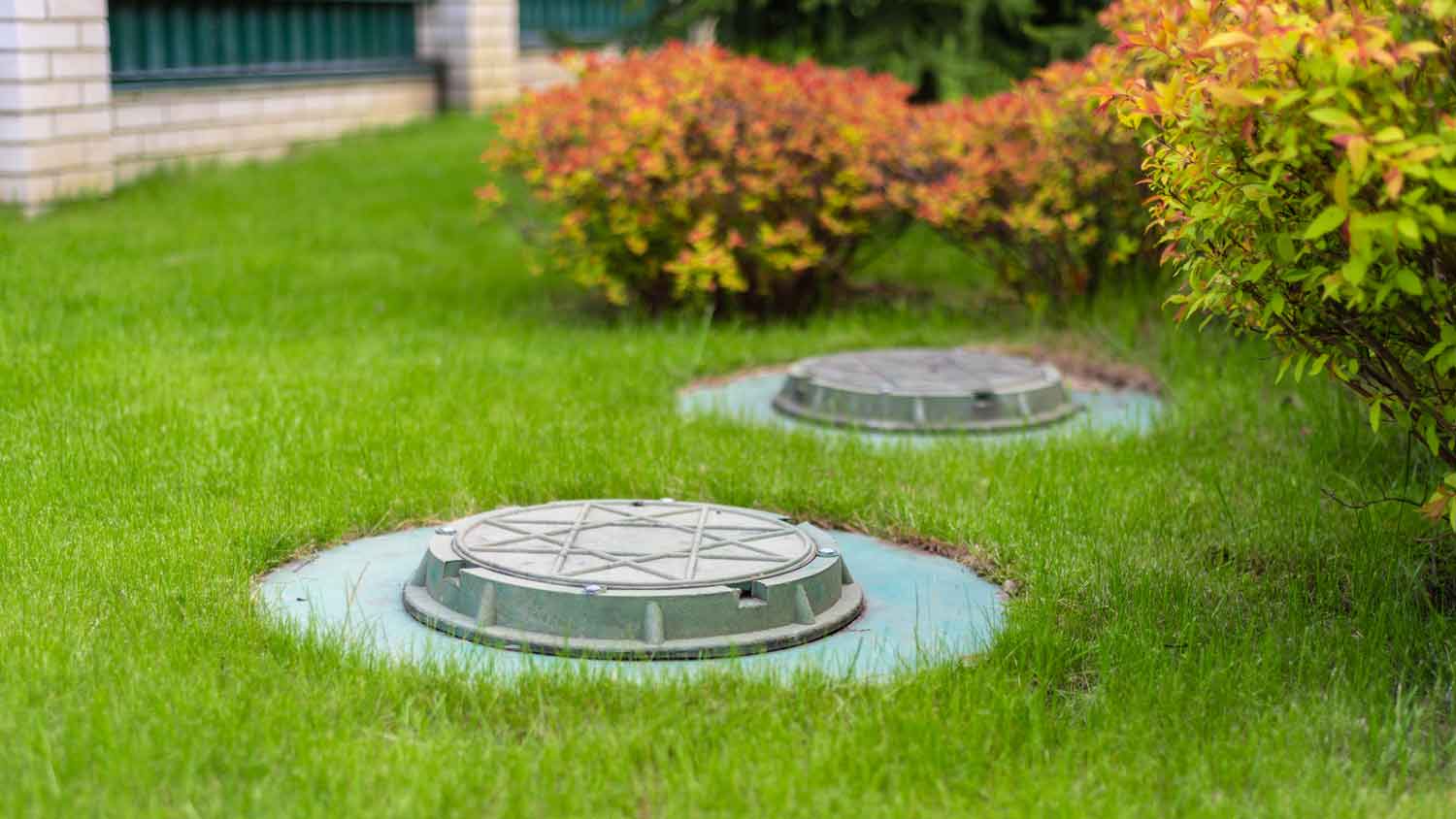
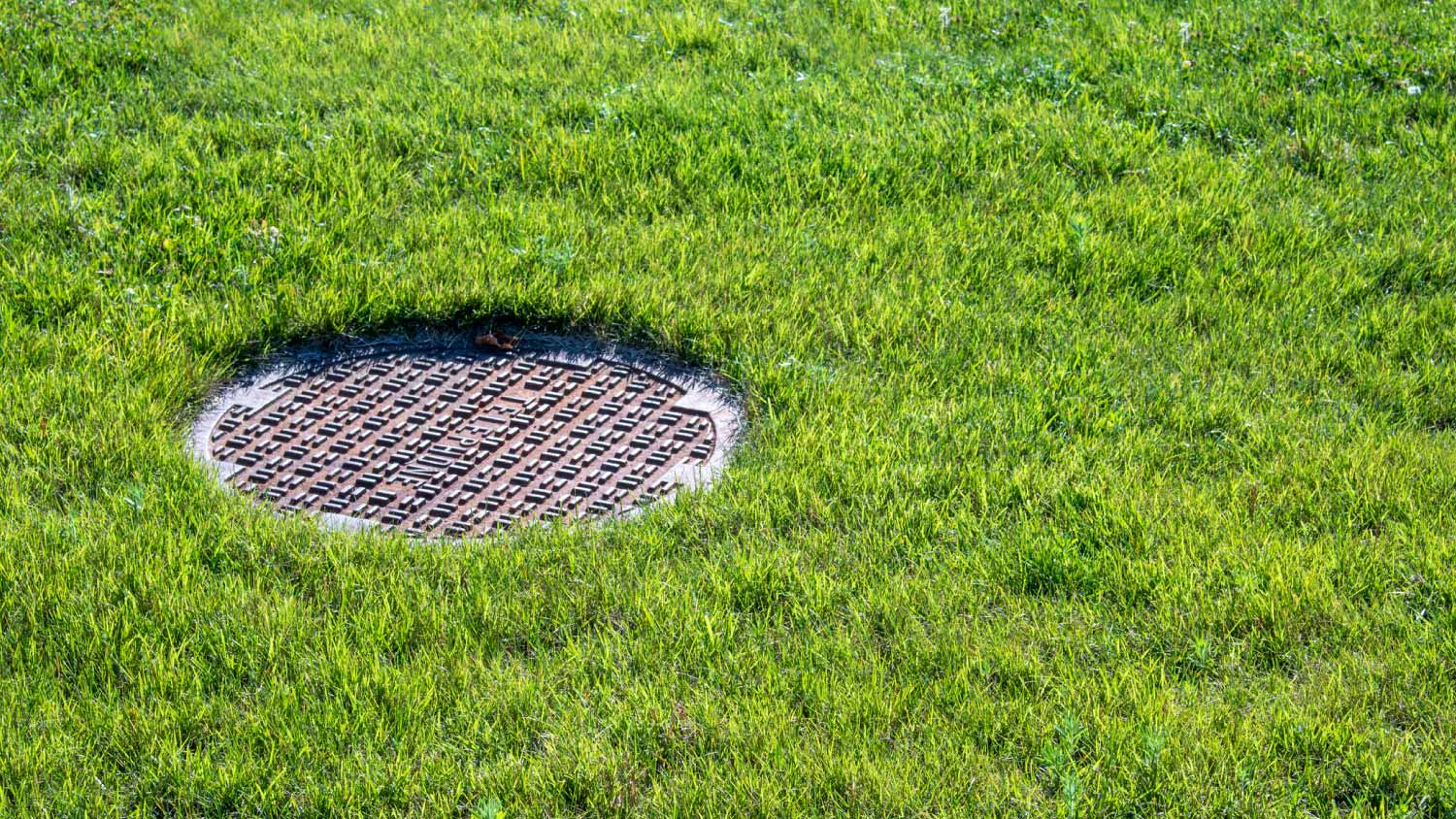
A septic tank lid is often 1 foot underground, but it could be just 4 inches from the surface or 4 feet deep. For septic tank lids that are closer to the surface, you’ll have an easier time locating them just by looking for signs in the yard or using a metal probe. But for septic tanks that are buried deeper underground, you’ll need to hire a pro with specialized equipment to track down the lid without risk of damaging utility lines.

A properly installed and maintained septic drain field (also known as a leach field) can last up to 50 years, though the average is around 20 years. However, factors like poor soil conditions, heavy usage, or improper maintenance can significantly shorten its lifespan to 15-20 years.

To extend the life of your drain field:

  • Schedule Regular Inspections: Have the entire septic system, including the drain field, inspected every two to five years to catch problems early.

  • Protect the Area: Avoid driving heavy vehicles or placing heavy structures over the drain field. Plant only grass or other lightweight vegetation with shallow roots over the area.

  • Maintain the Septic Tank: Proper care of the septic tank, including regular pumping and avoiding harmful chemicals, prevents strain on the drain field.

Be aware of signs of failure, such as strange odors, standing water, or unusually lush grass over the field, which indicate your system may need professional attention.

The efficacy of a drain field depends on a wide variety of factors, though a well-maintained one can last as long as 40 or 50 years. Of the different types of septic tanks on the market, concrete and plastic tanks tend to last the longest—upwards of 40 years if they’re pumped regularly—while steel tanks have a tendency to rust over time and may need to be replaced after 15 or 20 years.

Several signs can indicate a faulty well pump pressure switch. These include your pump running continuously, the pump not turning on at all, or a sudden and complete loss of water. Other symptoms are weak water pressure or an erratic, unpredictable water flow from your fixtures. If you notice these issues, the pressure switch may be the cause. Testing the switch can help diagnose the problem. A faulty switch will likely need to be repaired or replaced. If the issue is more complex, it's best to consult a professional well technician to ensure your water supply is restored correctly.

Bladder and diaphragm well pressure tanks are usually pre-charged at the factory. Even so, it’s important to check the air pressure in the tank using a tire pressure gauge on the relief valve. The instruction manual usually calls for 28 psi. Use a hand pump to add more air or release some air from the tank to reach the desired number. Check the pressure periodically to see if you need to add more air to the tank.

The Reddell, LA homeowners’ guide to septic tank services

From average costs to expert advice, get all the answers you need to get your job done.