



Top-rated arborists.

Get matched with top arborists in Paulina, LA

Enter your zip and get matched with up to 5 pros

Need a pro for your arboricultural service project in Paulina, LA?

Select your specific project to find the pro for you.

TRUSTED BY PAULINA, LA HOMEOWNERS

  • Average homeowner rating star icon4.8
    Average homeowner rating
  • Verified reviews icon26
    Verified arboricultural services reviews

Find Arborists in Paulina

Avatar for Pops Handyman Service
Pops Handyman Service
New to Angi
Tree Stump - Remove

Serving Paulina, LA and surrounding areas

Approved

Free estimates

Emergency services offered

Warranties offered

Hi im Jesse former Husband and Father for 30+years. I have seen and fixed just about everything that can possibly break or fail inside and outside a home. From installing Floors to making ceilings repairs. Framing and sheetrock installation, replacing doors external and internal. I can haul anything from Vehicles to trash and furniture. I'm a mobile Mechanic also from brake jobs to tune ups and other repairs. Cutting grass, weed eating, Thanks God Bess.

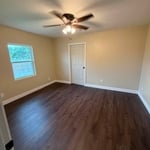
Finished master Bedroom
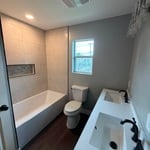
Master Bathroom
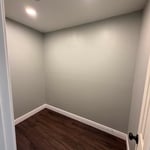
Master closet
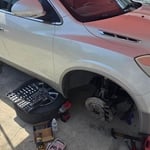
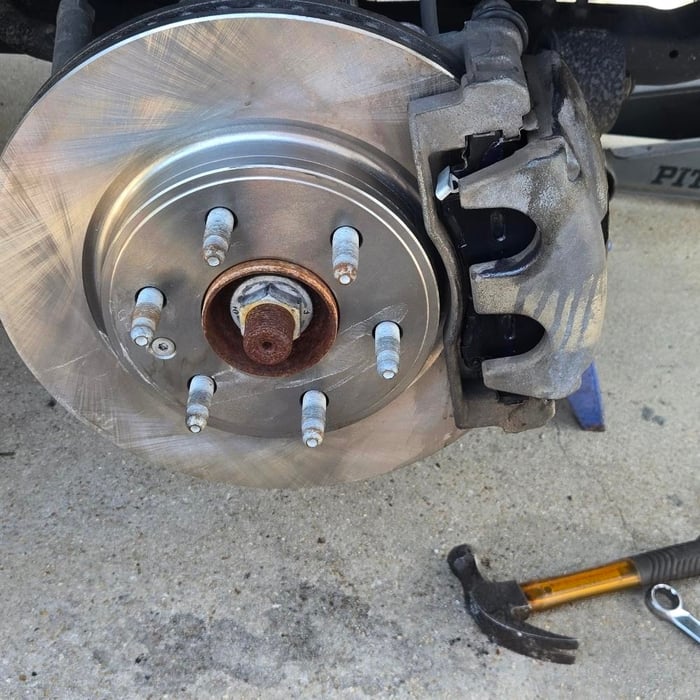
(Mechanic) Lori Brakes

+8

...
Showing 1-10 of 67
Arborists questions, answered by experts

A tree can grow back from its stump, but full regrowth is unlikely (especially for more stubborn conifer trees). Instead, trees are more likely to send up a number of shoots from the dead stump, which will try to develop into primary stems over time. In other words, it will start to look increasingly bushy. The goal of killing and drying out a tree stump is to prevent that from happening, as well as make the stump easier to completely remove.

All of the tree root removal methods mentioned above are effective on any kind of root, whether it’s still growing or simply needs a gentle nudge to finish decomposing. The only difference is that larger roots tend to be harder to remove and may require multiple chemical treatments as well as manual labor to eradicate.

Generally, homeowners do not need permission to cut down a tree on their own private property, but there are several exceptions where a permit may be required. You might need a permit if the tree is particularly large, old, or a protected species, such as a heritage tree. Trees located near public property or power lines can also be subject to special rules. Additionally, many local governments and homeowners associations (HOAs) have regulations controlling which trees can be removed to manage an area's appearance or prevent the spread of invasive species. To avoid hefty fines, it is crucial to check with your local government and HOA to determine if a permit is needed before you begin.

Tree roots don’t necessarily break through concrete on their own, but they can certainly take advantage of existing cracks, even very small ones. As roots grow, they expand the cracks, making them larger and leading to serious and costly foundation damage. It’s a good idea to have repairs on any foundation cracks you’re concerned about.

If executed correctly your tree should survive after being transplanted to a new spot. However, effective transplanting requires six months, careful root pruning, safe transport to the new location, and replanting in prime soil conditions. You’ll also need an appropriately sized root ball for a complete tree transplant. A good rule of thumb is that, for every inch in diameter, your tree’s root ball needs to be around 11 inches. So a tree with a diameter of six inches needs a root ball of approximately 66 inches.

The Paulina, LA homeowners’ guide to arboricultural services

From average costs to expert advice, get all the answers you need to get your job done.