




Top-rated masons.

Get matched with top masons in Oberlin, LA

Enter your zip and get matched with up to 5 pros

Need a pro for your masonry work project in Oberlin, LA?

Select your specific project to find the pro for you.

Find Masons in Oberlin

...
Showing 1-10 of 65
Masonry questions, answered by experts

Drilling into brick doesn’t have to be a dangerous project if you prep and approach it with the right tools and techniques, but it does come with risks if it’s not done correctly. It can lead to significant issues, such as damaging the brick or affecting the wall’s structural integrity. Applying too much force can crack or chip the brick, while incorrect placement might compromise its load-bearing strength. 

It’s called cobblestone because it’s made of stones that are “cobbed” together. A cob is a term that refers to rounded lumps. Originally, cobblestone streets were made from pebbles and stones gathered from riverbeds that had been rounded over time by the passage of water. The term has nothing to do with a cobbler, which is the term for someone who makes and fixes shoes.

No, you shouldn’t lay bricks directly on dirt. While it might seem like a shortcut, it leads to a patio that shifts, sinks, and becomes a maintenance headache. Dirt expands, contracts, and erodes—none of which mix well with long-term stability. To build something that lasts, excavate the topsoil, compact a layer of crushed gravel, and add a coarse sand-setting bed. This layered base gives your bricks proper support, allows drainage, and helps block weeds from creeping through. Cutting corners here just means you’ll spend more time—and money—repairing your brick patio later.
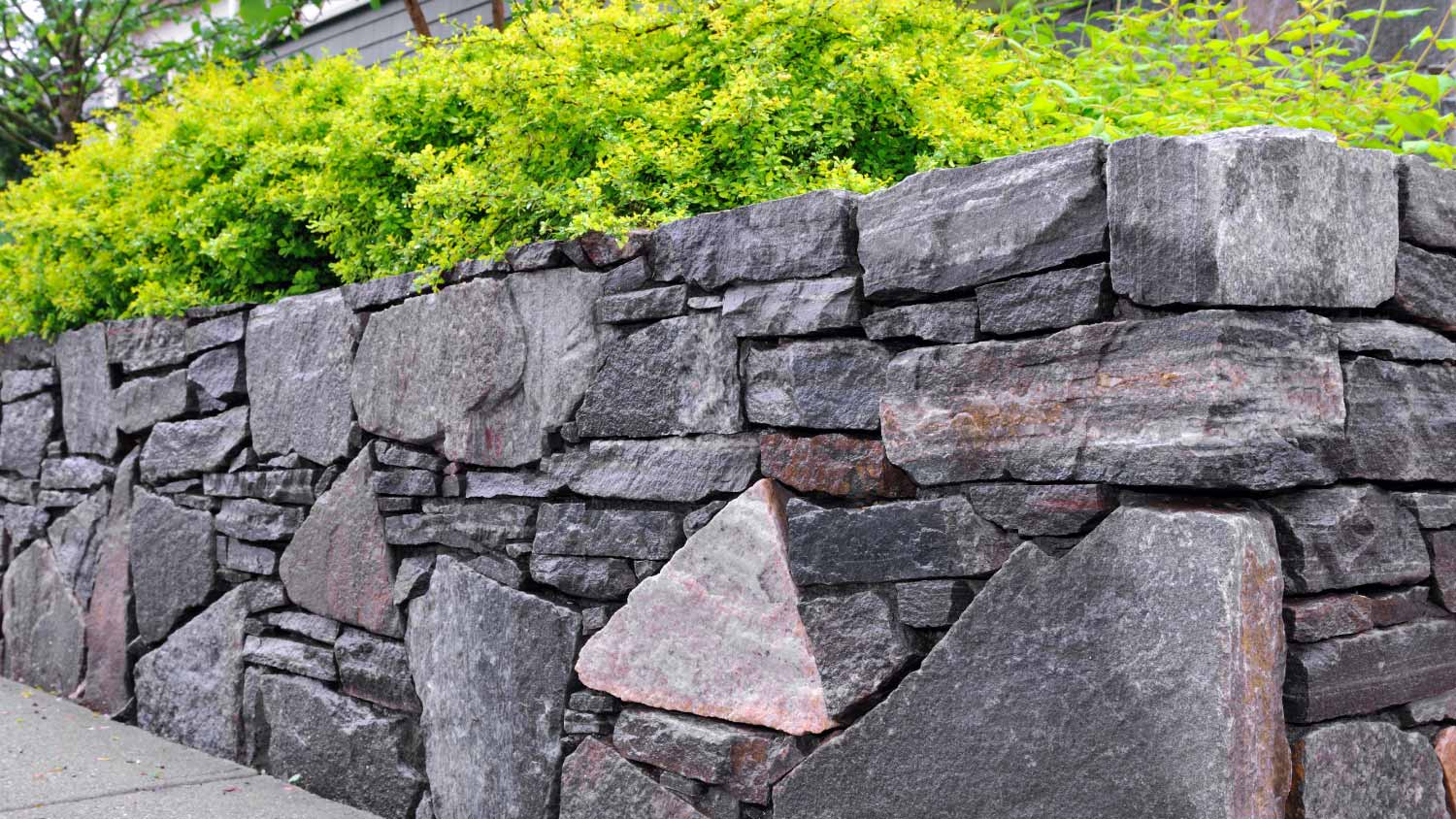
Mortar is a mixture of sand and cement that binds materials, such as bricks, stones, and concrete blocks, together. Think of it as the glue that fills in the gaps between bricks and stones, then seals them in place to prevent damage or deterioration. Mortar also helps spread the load across a wall or structure, keeping cracks and shifting at bay.

The material you use depends on how hard-wearing your steps need to be and what you want them to look like. The most common stone for exterior steps is bluestone. It’s hard-wearing and durable, and bluestone steps cost between $15 and $30 per linear foot. Limestone is also a popular option and is mid-range, costing $25 to $50 per linear foot. You should always consider the specific requirements of your project before ordering any materials.

The Oberlin, LA homeowners’ guide to masonry services

From average costs to expert advice, get all the answers you need to get your job done.