


Top-rated masons.

Get matched with top masons in Iowa, LA

Enter your zip and get matched with up to 5 pros

Need a pro for your masonry work project in Iowa, LA?

Select your specific project to find the pro for you.

Find Masons in Iowa

Avatar for Platinum Construction
Platinum Construction
5.0(
7
)
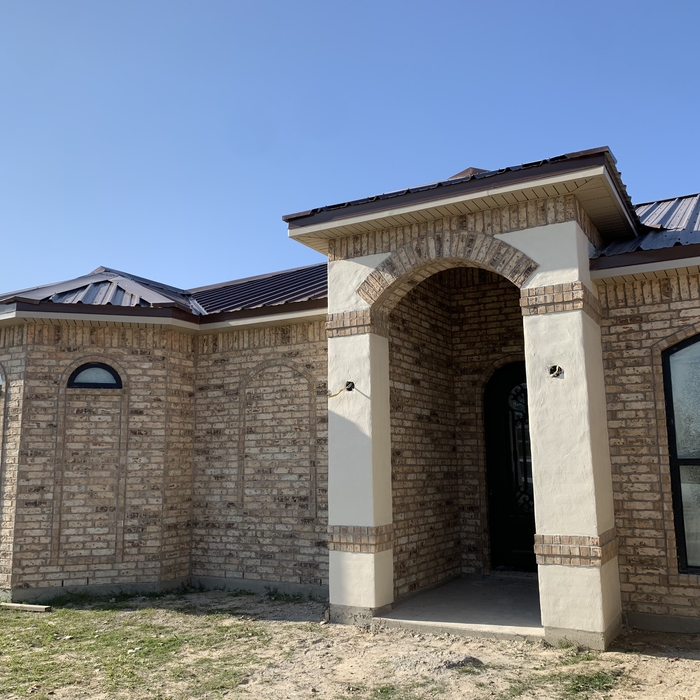
Brick or Stone - Tuck-pointingBrick or Stone - Tuckpointing - For BusinessBrick or Stone Siding: Install or Completely Replace+3 more

Serving Iowa, LA and surrounding areas

In business since 2020

Free estimates

Warranties offered

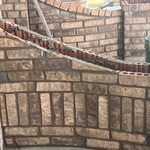
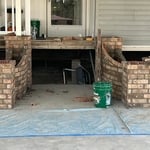
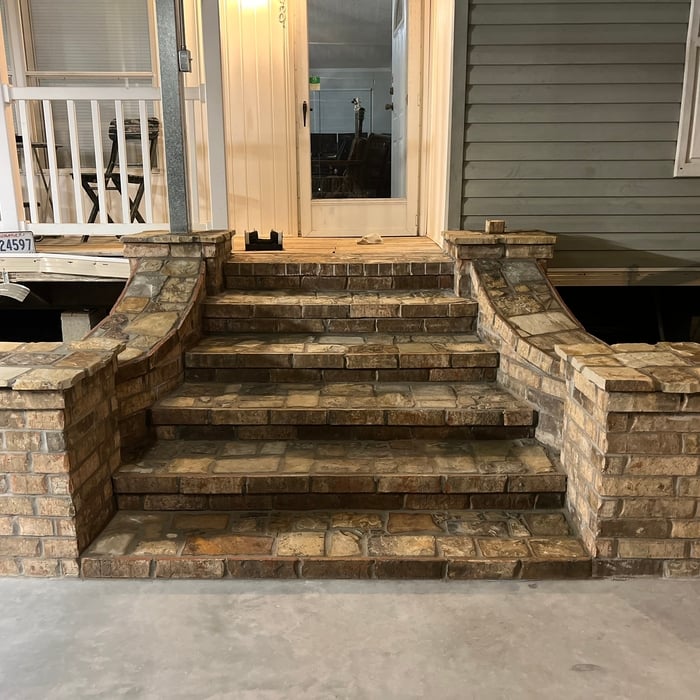
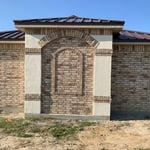
"Was totally satisfied with the job they did. I had 10 of my pillars bricked and they came out great. The team was on time and cleaned up as they went no mess left behind. That was a key point l noticed. Sometime contractors are bad about clean up, but this crew was outstanding. Would highly recommend Platinum Construction for any of your masonry/brick layer needs."
Additional Photos
Additional Photos
Additional Photos
Additional Photos
Additional Photos

+23

Response time1 day
Response rate100%
Recommended by100%of homeowners
...
Showing 1-10 of 92
Masonry questions, answered by experts

Masonry uses units like bricks, cement blocks, and stone with mortar between them. Mortar is generally made of sand and a type of cement. Examples of masonry include the brick or stone on a house, chimney, or freestanding wall. Concrete is a mixture of water, sand, stone aggregate, and other materials, and is poured into forms or moldings. Types of concrete applications include driveways, garage and basement floors, and poured concrete walls in basements and crawl spaces.

The difference between river rock and landscaping rocks is size, smoothness, and use. River rocks are smooth and flat, as if polished by water, and come in diameters between 1 and 8 inches. Landscape rock can vary in size from small pea gravel installations to car-sized boulders. However, landscaping and river rocks are interchangeable in many situations. River rock is best for pathways, walkways, garden bed mulch, water features, and planting accents, while small landscape rocks can serve as a walkway base, gravel playground areas, and filler between pavers.

Chimney mortar typically lasts 20 to 30 years, depending on its quality, local weather conditions, and maintenance. Over time, exposure to moisture, freezing, and thawing cycles can cause mortar to deteriorate, leading to cracks and gaps. Regular inspections and timely repairs, such as repointing or tuckpointing, can extend the lifespan of chimney mortar by ensuring the structure's integrity.

No, it’s not recommended to attach shutters to brick without drilling. Brick is dense and built to last, so adhesives and shortcut methods don’t usually cut it. Even heavy-duty glue struggles to hold up over time—especially against wind, moisture, and temperature changes. Most no-drill options are made for materials like vinyl or wood, not solid masonry. Skipping the drill might seem easier, but it puts your shutters—and anything below them—at risk. For a secure, lasting install, drilling is the way to go. It takes more effort up front, but the result is safer and more reliable.

No, you don’t need to soak the brick before cutting it by hand. In fact, cutting a wet brick can make it harder to see your score lines and may cause the chisel to slip. Soaking is sometimes used with power tools to reduce dust, but for hand-cutting, it’s best to work with dry bricks for better control and visibility.

The Iowa, LA homeowners’ guide to masonry services

From average costs to expert advice, get all the answers you need to get your job done.