






Top-rated basement waterproofing pros.

Best basement waterproofing pros near Doyline, LA

Enter your zip and get matched with up to 5 pros

Top-Rated Basement waterproofing pros in Doyline - Updated Nov 2026

Dab's Handyman Services
4.5(
4
)
Basement Drainage Channels - Install

Serving Doyline, LA and surrounding areas

In business since 2010

Free estimates

Emergency services offered

"Douglas Bush and his crew, Warren and Randy, did an excellent job.  They did everything that was quoted in the price and came back the following day to complete the job.  All three were very professional and courteous.  They were not even annoyed by all the questions I had as they completed the work.
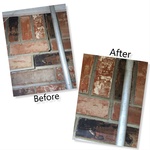
Warren repaired a bungled gutter job that some other folks did that I hired.  He came in and fixed everything including adding some pieces and two additional down sprouts.
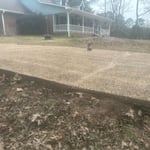
Doug and Randy did a great job installing the french drain so that water can run from my backyard down the side slope of my home to the street.  Once the dirt settles, I will be getting them back to add some dirt and level the yard.  I am pleased with the results because it will keep the water from settling in my back yard and around my foundation.
"
Spare bedroom
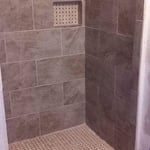
Shower
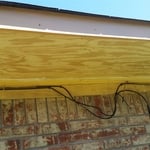
Soffit and Fascia repairs
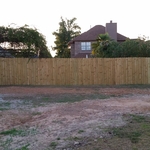
Privacy fence
Recommended by100%of homeowners
Showing 1-10 of 15
Basement Waterproofing FAQs, answered by experts

It is better to have a crawl space that is tailored to the outside temperature, your needs, and the season. For example, it is much better to have a vented space when it’s very hot outside and your AC bills are sky-high. Conversely, when the temperature drops and humidity rises, it is almost always better to have your vents shut and covered if possible.

In most climates, contractors recommend closing your crawl space vents in winter. Keeping them shut protects your crawl space from freezing temperatures, pests, and cool breezes that can lead to chilly floors in your home. However, it's often best to speak with a local crawl space team about your specific design and its relationship to the winter season.

While a standard gutter system is widely considered the most effective way to prevent water damage to your home's foundation, several alternatives are available. These options can be used on their own in certain climates or as supplementary protection.

Common alternatives include:

  • Rain Chains: These are decorative chains that hang from the roof's edge, guiding rainwater to the ground.

  • Drip Edges: These metal strips are installed at the edge of the roof to direct water away from the fascia. While often used with gutters, they can be paired with a ground-level solution but are typically not sufficient on their own.

  • Rain Dispersal Systems: These systems work by breaking up the heavy sheet of water flowing off the roof, dispersing it over a wider area.

  • French Drains: This ground-level system uses a perforated pipe in a gravel-filled trench to collect and redirect water runoff away from the house.

  • Drip Paths: Placed directly below the roofline, these paths made of concrete, stone, or other materials prevent soil erosion and guide water away.

It's important to note that some alternatives like rain chains and dispersal systems may not be adequate in regions with heavy rainfall because they don't divert water away from the foundation as effectively as a full gutter system. Ground-based solutions like French drains can be very effective but are often more expensive and can affect your landscaping and curb appeal. Many experts recommend installing a full gutter system for maximum protection and using alternatives as supplementary measures.

Water can seep into porous materials like wood beams, floor joists, and roof rafters within minutes, but they’ll need to see prolonged exposure before you have structural damage. Mold can start growing within 24 hours, and mold can eat away at the structural components over time. Wood rot is more of a concern, though. Wet and dry rot are fungal infections that set in in moist conditions and rapidly deteriorate wood, causing major structural damage within just a few months in some cases.

Water damage always poses a primary risk of mold and mildew, but growth is not guaranteed. The chances of mold developing depend on several factors, including the severity of the damage and how quickly the area is cleaned and dried. To prevent mold, you must act quickly—ideally within the first 24 hours. Clean up all water and thoroughly dry the affected area. If the damage is extensive, you were unable to address it immediately, or you suspect mold has already started to grow, it is best to assume it is present and hire a professional mold inspector or removal expert to assess the situation.

The Doyline, LA homeowners’ guide to basement waterproofing services

From average costs to expert advice, get all the answers you need to get your job done.