





Top-rated basement waterproofing pros.

Get matched with top basement waterproofing pros in Minden, LA

Enter your zip and get matched with up to 5 pros

Find Basement waterproofing pros in Minden

Dab's Handyman Services
4.5(
4
)
Basement Drainage Channels - Install

Serving Minden, LA and surrounding areas

In business since 2010

Free estimates

Emergency services offered

"Douglas Bush and his crew, Warren and Randy, did an excellent job.  They did everything that was quoted in the price and came back the following day to complete the job.  All three were very professional and courteous.  They were not even annoyed by all the questions I had as they completed the work.
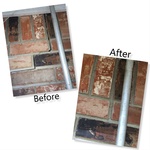
Warren repaired a bungled gutter job that some other folks did that I hired.  He came in and fixed everything including adding some pieces and two additional down sprouts.
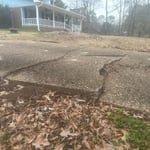
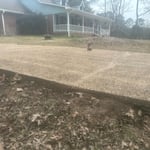
Doug and Randy did a great job installing the french drain so that water can run from my backyard down the side slope of my home to the street.  Once the dirt settles, I will be getting them back to add some dirt and level the yard.  I am pleased with the results because it will keep the water from settling in my back yard and around my foundation.
"
Spare bedroom
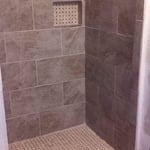
Shower
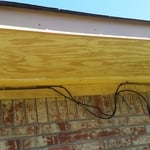
Soffit and Fascia repairs
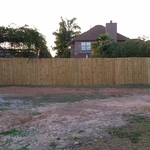
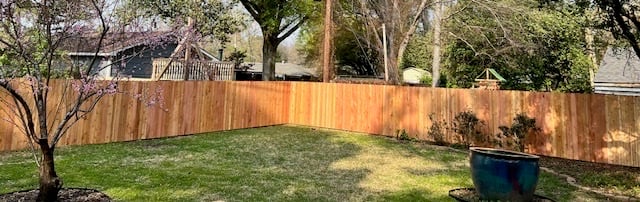
Privacy fence
Recommended by100%of homeowners
Showing 1-10 of 12
Basement Waterproofing questions, answered by experts

While a standard gutter system is widely considered the most effective way to prevent water damage to your home's foundation, several alternatives are available. These options can be used on their own in certain climates or as supplementary protection.

Common alternatives include:

  • Rain Chains: These are decorative chains that hang from the roof's edge, guiding rainwater to the ground.

  • Drip Edges: These metal strips are installed at the edge of the roof to direct water away from the fascia. While often used with gutters, they can be paired with a ground-level solution but are typically not sufficient on their own.

  • Rain Dispersal Systems: These systems work by breaking up the heavy sheet of water flowing off the roof, dispersing it over a wider area.

  • French Drains: This ground-level system uses a perforated pipe in a gravel-filled trench to collect and redirect water runoff away from the house.

  • Drip Paths: Placed directly below the roofline, these paths made of concrete, stone, or other materials prevent soil erosion and guide water away.

It's important to note that some alternatives like rain chains and dispersal systems may not be adequate in regions with heavy rainfall because they don't divert water away from the foundation as effectively as a full gutter system. Ground-based solutions like French drains can be very effective but are often more expensive and can affect your landscaping and curb appeal. Many experts recommend installing a full gutter system for maximum protection and using alternatives as supplementary measures.

As the first layer of water protection for your roof deck and the building materials below, underlayment is designed to prevent water damage, so it’s okay if it gets wet. However, you shouldn’t rely solely on underlayment for protection. If rain interrupts your roof project and you have all of the underlayment down, you’ll likely be fine, but you should install shingles over that layer as soon as possible, as long-term exposure can lead to water damage.

Yes, the air from a damp basement can travel up into your living area through a process called the stack effect, so moisture, mold spores, and other debris in your basement air can all decrease your indoor air quality on your main floors. Additionally, damp basements can promote the rotting of building materials, which can damage flooring, insulation, and framing on your first floor in addition to materials in the basement.

Due to the nature of basements, some level of waterproofing is necessary to prevent water from seeping in and causing damage. Some definitive signs that your basement needs waterproofing measures or needs existing waterproofing measures need to be updated include:

  • Water in your basement, including damp walls or puddles on the floor

  • Mold spots in your basement

  • Musty smells or odors

  • Warped doors or walls

  • Cracks in walls

  • Insect issues, such as cockroaches and termites

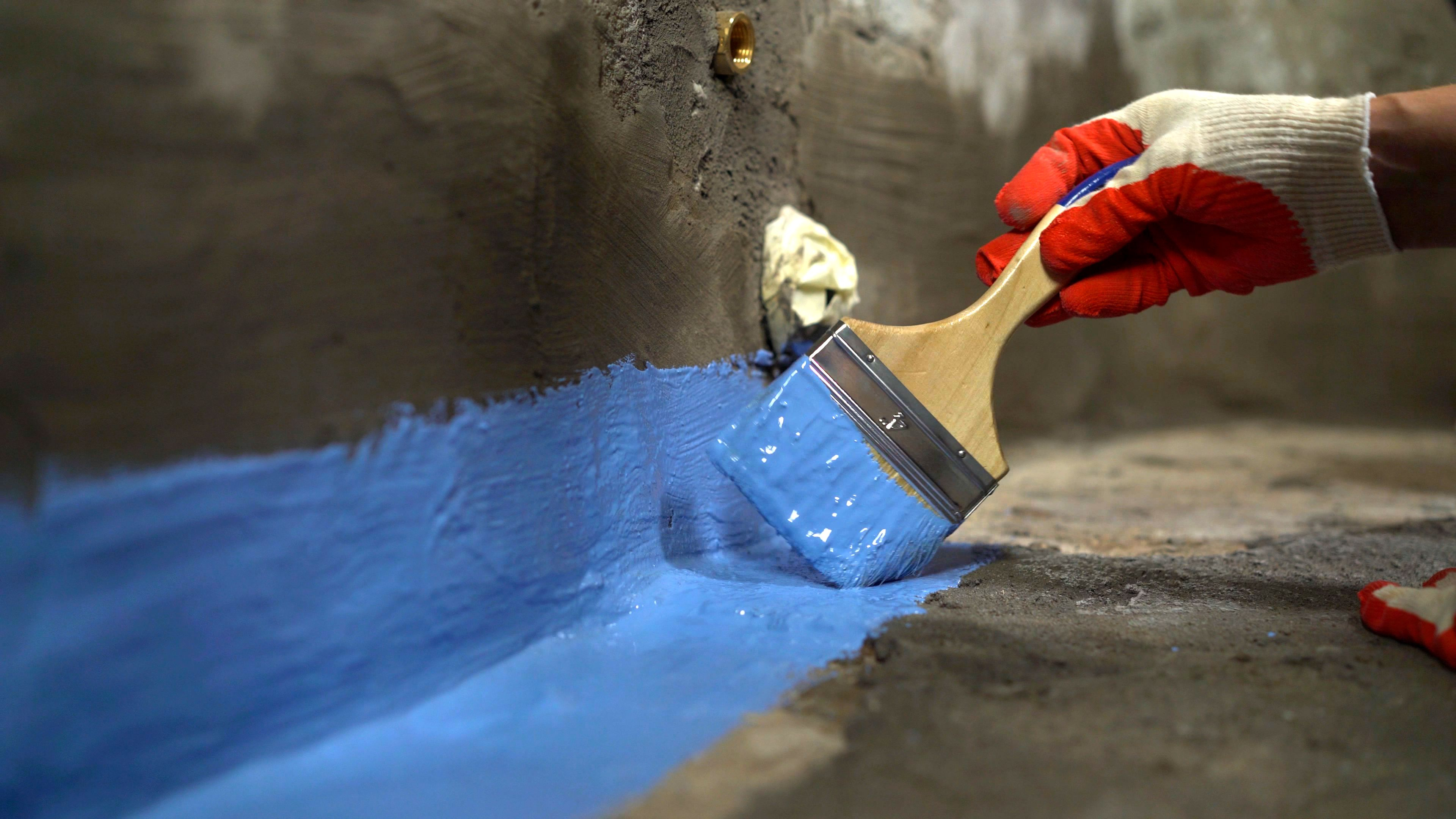
Topical sealers adhere to the surface of concrete to create a protective layer. In many cases, this is all you need for concrete that sees light to moderate traffic, such as your basement. Penetrating sealers, on the other hand, bond with the free lime in the top layer of concrete to form calcium silicate, which prevents liquid from passing through. This type of sealer protects the surface from water, oil, and gasoline spills.

The Minden, LA homeowners’ guide to basement waterproofing services

From average costs to expert advice, get all the answers you need to get your job done.