


Top-rated plaster repair specialists.

Best plaster repair specialists near Williamsburg, KY

Enter your zip and get matched with up to 5 pros

Need a pro for your plaster repair project in Williamsburg, KY?

Select your specific project to find the pro for you.

Top-Rated Plaster repair specialists in Williamsburg - Updated Nov 2026

Avatar for MP Demolition Group
MP Demolition Group
New to Angi
Plaster - Repair

Serving Williamsburg, KY and surrounding areas

Approved

Free estimates

Emergency services offered

Warranties offered

At MP Demolition Group we specialize in safe, efficient, and professional demolition services for residential, commercial, and industrial projects. With years of hands-on experience and a commitment to excellence, we take pride in delivering reliable solutions tailored to each client’s unique needs.\nOur team of highly trained operators and safety-certified professionals utilizes modern equipment and proven techniques to ensure every project is completed on time and within budget. From selective interior demolition to complete structural teardown, we handle projects of all sizes with precision and care.\nSafety is our top priority. We strictly follow industry regulations and environmental guidelines, ensuring responsible waste disposal and recycling practices whenever possible. Our goal is not just to demolish — but to clear the way for new beginnings.
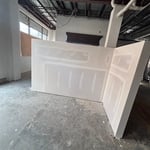
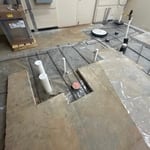
Downtown Versailles Hotel
Louisville Fire House Sub

+8

Avatar for Potter House Group Inc
Potter House Group Inc
4.4(
12
)
Plaster - InstallPlaster - Install - For BusinessPlaster - Repair+1 more

Serving Williamsburg, KY and surrounding areas

In business since 2003

Emergency services offered

Credit card accepted

"For the second time we are so pleased with our recent contract with Potter House Group.  Our first experience with Potter House Group was a new build construction project.  They found us a lot and built us a custom home about 9 years ago.  Since then we relocated into a 115 year old home and we hired them for our kitchen remodel.  First we did our research, and we sought bids from several contractors.  Potter House Group once again had a competitive quote, that we felt had all the "bases" and potential "surprises" covered.  We also felt that the allowances that were allotted in our estimate allowed us to select quality selections for the fixtures, granite, cabinetry & flooring.  What impressed us the most is that once again we worked directly with the owner, Lee, for the duration of the project.  From the very beginning, Lee was professional, honest, and extremely efficient with our time.  Our kitchen was completely gutted down to the bare studs, removing of walls, flooring, electric, and a back staircase.  When you are without the hub of your home-the kitchen-meeting timelines is very important.   They met all timelines and brought in the necessary resources and tradesmen to perform various scopes of work.  All the inspections that were needed went well too.  Lee addressed any questions or concerns we had during the process responsively.  Without a doubt, Potter House Group will be the contactor we use for the next job.  We are already dreaming of our next project, a master bath addition.  Can?t wait!  Potter House Group is highly recommended!!!
Thank you Lee for a beautiful kitchen!"
Additional Photos
Additional Photos
Additional Photos
Recommended by100%of homeowners
Showing 1-10 of 22
Plaster Repair FAQs, answered by experts

If you already have plaster walls and ceilings, adding new plaster costs $2 to $10 per square foot. For an average-sized room, that would come out to $1,200 to $10,000. However, the cost to replace plaster with drywall is higher—running between $720 and $1,250 for a 10-by-8-foot wall or ceiling (not including drywall finishing).

Repairs typically take 2-4 hours for small areas. Larger or more complex repairs may require additional time.

While it’s most common to sand plaster dry, it is possible to wet-sand plaster, too. Doing so can reduce the amount of plaster dust released into the air and make it easier to work in smaller, more delicate areas (such as around wall trim). However, some people find that wet sanding leads to more imperfections, which is why larger walls are more often dry sanded to ensure an even finish.

Professionals diagnose underlying causes, such as structural shifts or moisture problems, and apply appropriate solutions like reinforcement, patching, or sealing. These measures restore wall integrity and prevent recurrence, ensuring long-term stability.

Although they have similar applications, spackle and joint compound are not the same. Their primary differences lie in their composition, consistency, and ideal use cases.

Spackle is composed of gypsum and binding agents, making it thicker than joint compound. It dries quickly and is easy to sand, which makes it ideal for small wall repair projects like filling nail holes or patching minor damage.

Joint compound, also known as drywall mud, consists of limestone and gypsum. It is primarily used for large-scale projects, such as taping and finishing the seams on newly installed drywall. It tends to shrink more than spackle and can be more difficult to spread.

While both products can be used to fill small depressions and cracks, spackle cannot replace joint compound for taping and mudding new drywall. Conversely, you can often use joint compound for small patching jobs typically done with spackle.

The Williamsburg, KY homeowners’ guide to plaster repairs

From average costs to expert advice, get all the answers you need to get your job done.