






Top-rated excavation pros.

Get matched with top excavation pros in Wilder, KY

Enter your zip and get matched with up to 5 pros

Need a pro for your excavation project in Wilder, KY?

Select your specific project to find the pro for you.

TRUSTED BY WILDER, KY HOMEOWNERS

  • Average homeowner rating star icon4.8
    Average homeowner rating
  • Verified reviews icon21
    Verified excavation services reviews

Find Excavation pros in Wilder

Avatar for C Kirk Enterprises, LLC
C Kirk Enterprises, LLC
4.8(
14
)
Excavation - Major Grading or ReslopingExcavation - Major Grading or Resloping - For Business

Serving Wilder, KY and surrounding areas

Approved

In business since 2020

Free estimates

Emergency services offered

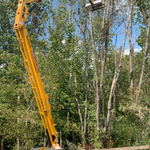
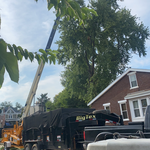
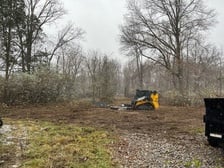
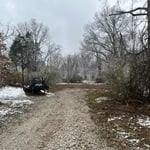
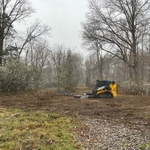
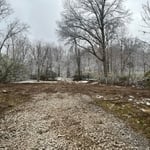
"Our home owners association was responsible for getting a structure torn down. We contacted a few places for estimates. C. Kirk enterprises returned my call and got a quote together very quickly. We used them for the project and they did a great job. Communication was excellent. They did what they agreed to do and kept us informed every step of the way. We will definitely contact C. Kirk enterprises for any and all jobs we have in the future. Thanks again!"
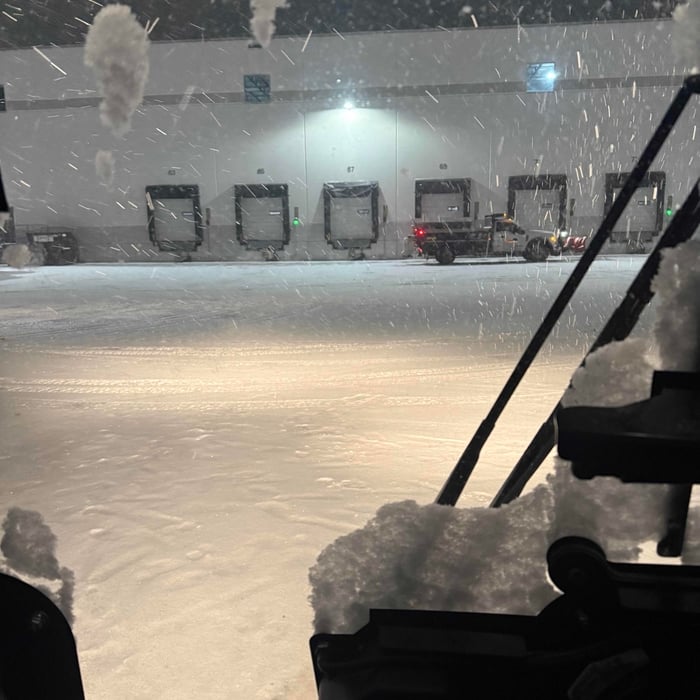
My work
My work
My work
My work
My work

+3

Response time1 day
Response rate92%
7 neighbors recently requested a quote
...
Showing 1-10 of 187
Excavating questions, answered by experts

The cost to repair a crawl space runs between $1,500 and $15,000, depending on the extent of the damage. Major flooding or water repairs can cost up to $10,000 for removal and repairs. If you simply need to clean your crawl space, expect to pay between $2,000 and $6,000 for a major cleanout. Replacing a crawl space beam due to rot or damage can cost between $1,500 and $5,000, while removing and replacing damaged insulation costs between $1,000 and $4,000.

Tree experts don’t advise against digging through tree roots, but instead encourage caution and consultation with a local arborist to make sure you don’t damage the tree’s structure or interrupt its water or nutrient intake. An arborist can recommend specific practices when digging and help prune the roots or dig a trench for utilities with a tool that can remove soil without touching the tree’s roots.

Some two-in-one tools and machines do both jobs, and those could be the right solution for smaller residential projects. However, the phrase “use the right tool for the job” definitely applies to digging. For the best results, get two separate tools for your trenching and landscape edging projects or call a pro to take care of everything for you.

There is no standard depth for burying a septic tank; they are typically buried anywhere from 4 inches to 4 feet underground. The final depth depends on several factors, including the depth of your main sewer line, the height of the bedrock, soil type, local regulations, and the property's landscape. If you plan to grow grass or plants over the tank, a depth of at least 4 to 6 inches is recommended. Deeper tanks can be more difficult to locate, but a septic professional can help find it for you.

While you can save some money by digging your own pool, you may end up paying more in construction equipment rental fees in the long run. You could, however, focus your DIY energies on lowering the cost of leveling your lawn for your pool or filling in surrounding landscaping after construction.

The Wilder, KY homeowners’ guide to excavation services

From average costs to expert advice, get all the answers you need to get your job done.