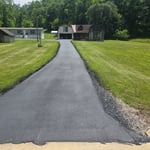
Top-rated asphalt driveway pros.

Best asphalt driveway pros near Paint Lick, KY

Enter your zip and get matched with up to 5 pros

Need a pro for your asphalt driveway service project in Paint Lick, KY?

Select your specific project to find the pro for you.

TRUSTED BY PAINT LICK, KY HOMEOWNERS

  • Average homeowner rating star icon4.7
    Average homeowner rating
  • Verified reviews icon21
    Verified asphalt driveway services reviews

Top-Rated Asphalt driveway pros in Paint Lick - Updated Nov 2026

Avatar for Johnson's Sealcoating & Asphalt Restoration
Johnson's Sealcoating & Asphalt Restoration
5.0(
3
)
Asphalt Paving - Repair or PatchAsphalt SealingGravel or Loose Fill Paving - Install, Spread or Scrape+1 more

Serving Paint Lick, KY and surrounding areas

Approved

In business since 2025

Free estimates

"Henry does a great job sealing our driveway! We’ve used him several times over the years and have always been happy with his work. He’s dependable, does quality work, and is easy to work with. It’s nice having someone you can trust and call back whenever the driveway needs to be done. Would definitely recommend to anyone!!"
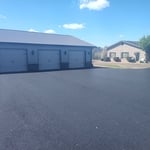
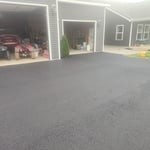
Blacktop
Blacktop
Blacktop
Blacktop
Built-in desk and vinyl

+1

36 neighbors recently requested a quote
...
Showing 1-10 of 129
Asphalt Driveways FAQs, answered by experts

Asphalt and tarmac are not the same thing. Traditional tarmac, short for tarmacadam, uses tar as a binder to hold crushed stone together. Asphalt uses bitumen—a byproduct of crude oil—to bind aggregate. Though tarmac was once a go-to for roads, asphalt has become the modern standard. And these days, most surfaces referred to as “tarmac” are actually asphalt. So, while the names may overlap, the key distinction lies in the binder—tar for tarmac and bitumen for asphalt.

Asphalt driveways are affordable and able to withstand sub-zero temperatures. The asphalt surface makes it easy to plow snow, and it has excellent traction for slippery winter days. Another benefit: it absorbs heat from the sun and can then help to melt snow and ice more quickly than other surfaces.

There’s no single best asphalt grade—it all comes down to where and how it’s used. Highways and heavy-traffic roads need something tough, like polymer-modified asphalt (PMA) or Stone Matrix Asphalt (SMA). Local roads and parking lots rely on the Performance Graded (PG) system, chosen based on climate. A PG 64-28 mix, for example, handles a broad temperature range while simpler, more cost-effective mixes are typically enough for residential driveways. The best grade of asphalt depends on traffic, weather, and your budget, which is why a professional’s input is always a smart move before making a decision.

New asphalt typically needs 24 to 72 hours to dry before it can handle light foot traffic and careful driving. Although it may appear solid after a few days, the full curing process, where the asphalt reaches its peak strength, takes much longer—generally from 30 days to a year.

During this extended curing time, the surface remains relatively soft and can be damaged by heavy vehicles, sharp objects, or high temperatures. To protect your investment, it's best to avoid parking heavy machinery on the asphalt until it has fully cured.

The exact time required for drying and curing depends on several factors, including the weather, the specific asphalt mix, and its thickness. For the most accurate advice tailored to your situation, consult with your asphalt contractor.
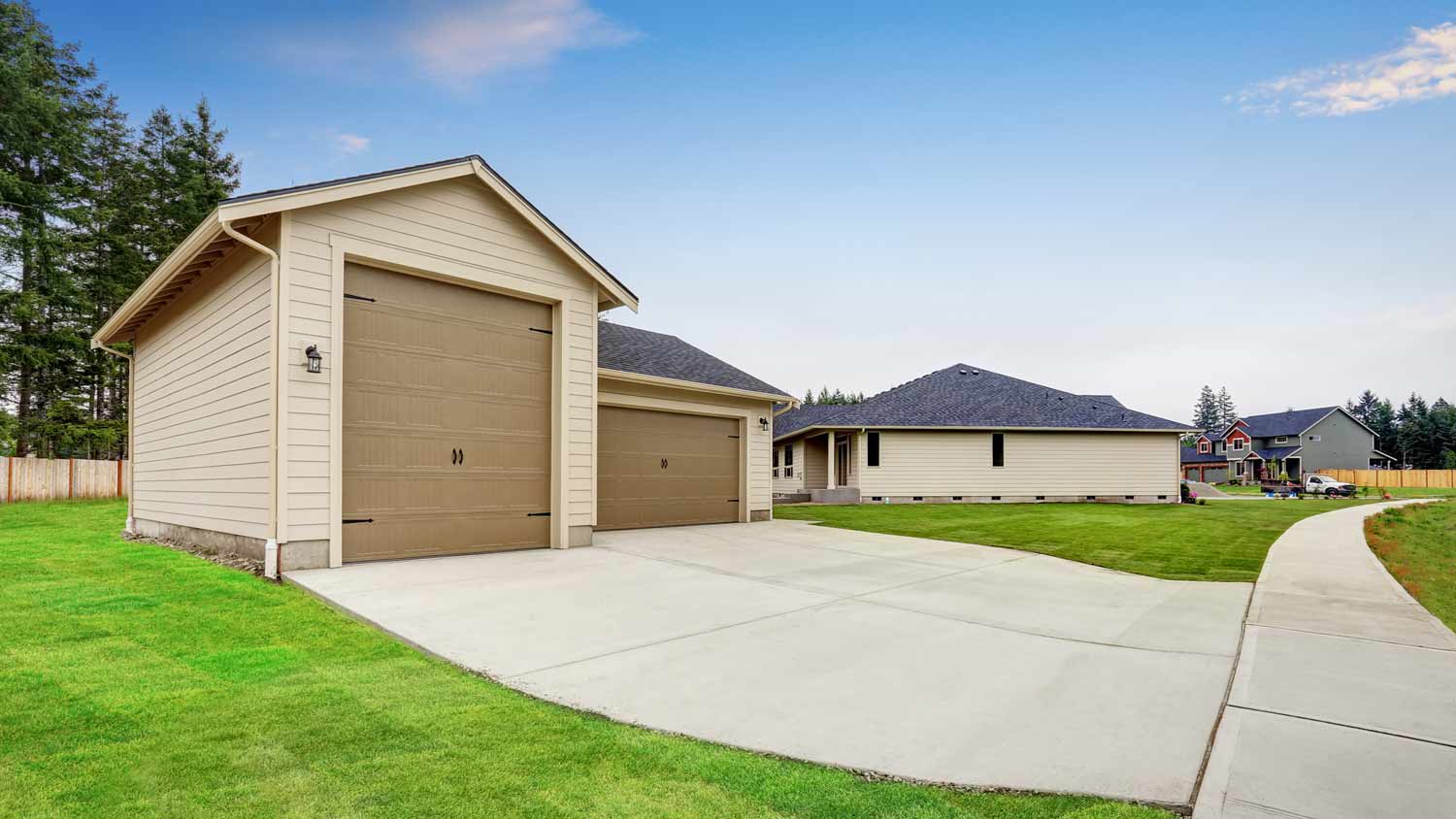
Recycled asphalt is not better than gravel, but can be a good alternative. It is inexpensive, but not as low-cost as gravel, and doesn’t tend to last as long. Recycled asphalt isn’t as dusty as gravel and is more environmentally friendly. The black look can be something that homeowners prefer. No matter what, ensure you choose an experienced recycled asphalt contractor. 

The Paint Lick, KY homeowners’ guide to asphalt driveway services

From average costs to expert advice, get all the answers you need to get your job done.