





Top-rated fencing pros.

Get matched with top fencing pros in Nortonville, KY

Enter your zip and get matched with up to 5 pros

Need a pro for your fencing service project in Nortonville, KY?

Select your specific project to find the pro for you.

Find Fencing pros in Nortonville

Avatar for True Grit Forestry Mulching
True Grit Forestry Mulching
4.9(
10
)
Barbed Wire Fence - InstallBarbed Wire Fence - RepairChain Link Fence - Install+5 more

Serving Nortonville, KY and surrounding areas

In business since 2022

Free estimates

Offers commercial services

"Stephen ran his forestry mulched for me and cleared about 8 acres of extremely thick and overgrown land early in the year. He was very thorough, and cleaned the property expertly. While the hourly rate seemed expensive when we discussed it, compared to clearing the land by hand or with a dozer, it came out very affordable. Stephen left us with a very nice field that already has decent grass."
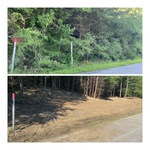
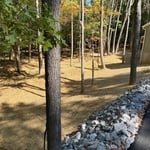
Clearing a building site
Clearing an overgrown field
Dirt work on new construction
Split Rail Fence
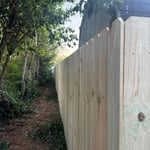
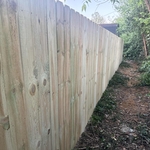
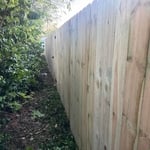
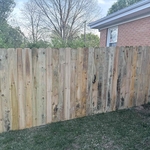
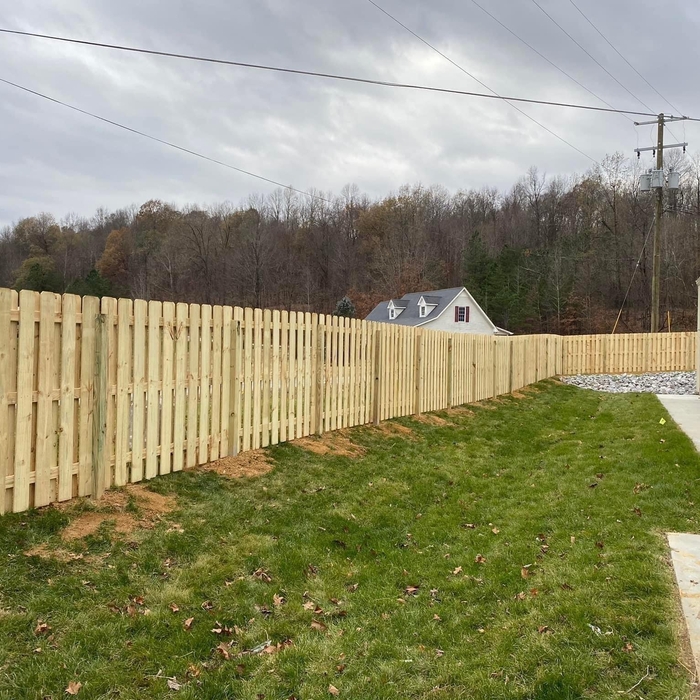
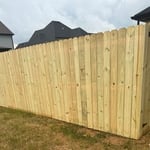
Shadow Box Privacy Fence

+17

Response time4 hrs
Response rate98%
Recommended by100%of homeowners
...
Showing 1-10 of 55
Fencing questions, answered by experts

The depth of your post hole depends on your post length. If you decide on a two-rail fence, the posts are likely 6 feet long. You want your hole to be at least 1/3 of the post length. In this case, your post hole should be two feet deep.

If you opt for a three-rail fence, the posts will typically be 7 feet long, meaning your post hole should be 28 inches deep.

You can use soil and gravel instead of concrete when setting fence posts. However, concrete is more durable and longer lasting, so it's worth considering if you want your fence to withstand the test of time. You should especially consider concrete if you live in a region that experiences severe weather, which can damage your fence.

Whether you need a permit to build or install a fence depends on several factors, including your location, the fence's height, its placement in your yard, and the materials used. In many cities and highly populated areas, a permit is required, especially for fences taller than 6 feet. Conversely, rural areas may have fewer restrictions. Typically, backyard privacy fences 6 feet or shorter do not require a permit, while front yard fences often have a lower height limit, sometimes as low as 3.5 feet. There can also be exceptions for properties in mixed residential-commercial zones. It's best to check with your local building inspection or zoning department to understand the specific requirements, height restrictions, and location rules for your area. A professional fence installer can help you navigate this process and often secure the necessary permits for you, though this may extend the project timeline.

The type of horse fence that’s most effective in the short term depends on your budget. Plastic fencing works as a temporary fence idea for those on a tight budget but doesn’t offer as much protection. Pipe fencing can be a short-term option as well. Despite its high cost, you can install and remove it easily if you need to relocate your pasture area.

Ideally, your concrete should set slightly above ground at an angle sloping away from the fence post. This will add extra support and allow water to run away from the wood fence post. Keeping water out will help prevent wood rot. Additionally, you can add soil on top of the concrete for a seamless finish. 

The Nortonville, KY homeowners’ guide to fencing services

From average costs to expert advice, get all the answers you need to get your job done.