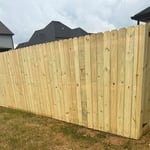








Top-rated fencing pros.

Get matched with top fencing pros in Greenville, KY

Enter your zip and get matched with up to 5 pros

Need a pro for your fencing service project in Greenville, KY?

Select your specific project to find the pro for you.

Find Fencing pros in Greenville

Avatar for True Grit Forestry Mulching
True Grit Forestry Mulching
4.9(
10
)

Serving Greenville, KY and surrounding areas

In business since 2022

Free estimates

Offers commercial services

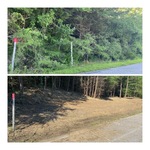
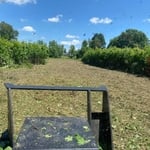
"Stephen ran his forestry mulched for me and cleared about 8 acres of extremely thick and overgrown land early in the year. He was very thorough, and cleaned the property expertly. While the hourly rate seemed expensive when we discussed it, compared to clearing the land by hand or with a dozer, it came out very affordable. Stephen left us with a very nice field that already has decent grass."
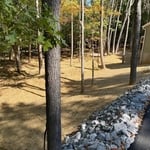
Clearing a building site
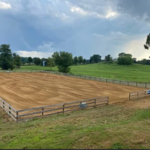
Clearing an overgrown field
Dirt work on new construction
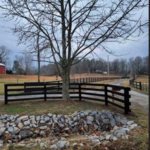
Split Rail Fence
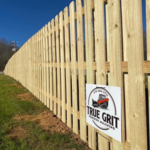
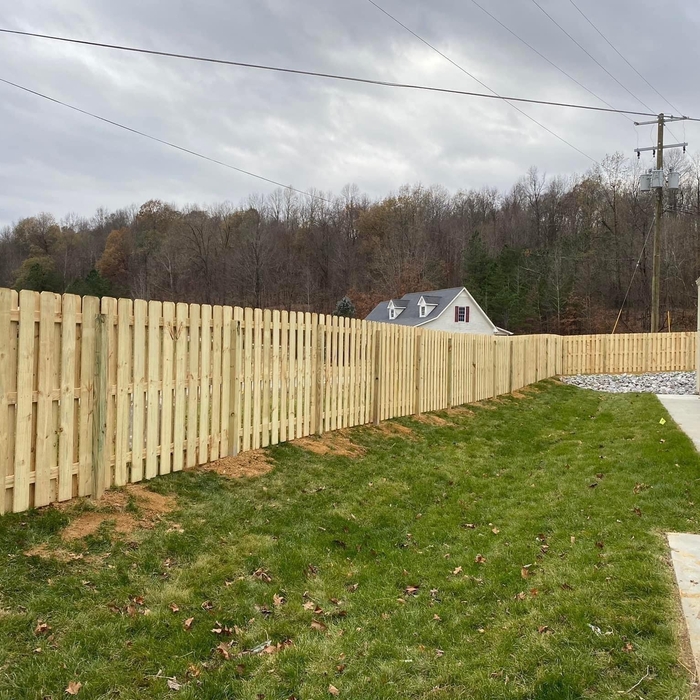
Shadow Box Privacy Fence

+17

Response time4 hrs
Response rate98%
Recommended by100%of homeowners
...
Showing 1-10 of 53
Fencing questions, answered by experts

Electric fences use very little energy and shouldn’t cause any surprises on your next energy bill; You may only notice an extra couple of dollars on the bill. While electric fences don’t consume much energy, they still need it. If you have a power outage after a storm, your electric fence will likely stop working.

When choosing wood for a fence, consider your budget and geographic region. The most popular and common types of wood are cedar, redwood, and pressure-treated pine. Cedar is a top choice due to its natural durability, resistance to rot and insects, and budget-friendly price. Redwood is another durable, tried-and-true option, though it is typically more expensive. Pressure-treated wood, such as pine, is also a widely used and popular alternative. These materials are readily available at most hardware stores, which makes future repairs and replacements easier. Their accessibility and long-lasting performance make them excellent choices for most fence installation projects.

A silt fence should be buried in a trench that is 6 to 12 inches deep. A depth of at least 6 to 8 inches is necessary to prevent water and sediment from running underneath the fence. A deeper trench, up to 12 inches, provides better anchoring during wet and windy weather. To ensure proper installation, look for a red line on the silt fence fabric, which often indicates the correct burial depth. Always adhere to local guidelines and regulations; a professional contractor will be familiar with these requirements.

Barbed wire fences provide cost-effective security, livestock containment, and property protection.

The ideal spacing for four-by-four residential fence posts is usually about 6 to 8 feet between posts. However, if the fence is particularly high or you live in a very windy region, you might want to space them closer together for better stability. A fence pro can help you decide on your post spacing. 

The Greenville, KY homeowners’ guide to fencing services

From average costs to expert advice, get all the answers you need to get your job done.