

Top-rated tree service pros.

Get matched with top tree service pros in Massac, KY

Enter your zip and get matched with up to 5 pros

Need a pro for your tree service project in Massac, KY?

Select your specific project to find the pro for you.

TRUSTED BY MASSAC, KY HOMEOWNERS

  • Average homeowner rating star icon4.5
    Average homeowner rating
  • Verified reviews icon134
    Verified tree services reviews

Find Tree service pros in Massac

Avatar for All Pro Painting
All Pro Painting
4.7(
25
)
Tree RemovalTree Removal - For BusinessTree Trimming+1 more

Serving Massac, KY and surrounding areas

In business since 2020

Free estimates

"I am extremely pleased with their work. Jacob is highly skilled and is very particular about his work. I had a tree next to a power line that was very difficult to remove safely but he did so without my having the power turned off. The best part of the job, however, was the extremely reasonable cost. I had a total of eight trees removed which would have cost at least twice as much, if not more, with other tree services. I can highly recommend J and R tree service."
Response time1 day
Recommended by100%of homeowners
Avatar for Islas Tree Service LLC
Islas Tree Service LLC
5.0(
6
)
Tree RemovalTree TrimmingTree Stump - Remove

Serving Massac, KY and surrounding areas

In business since 2023

Offers commercial services

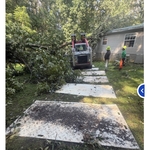
"Islas Tree Service / Home Improvements helped me with a tree and stump removal and with a house remodel (bathroom, flooring, windows). Genaro and team were professional, produced high quality work, good with timelines, easy to work with, and kept the areas clean. They were also reasonably priced. I'd recommend them for exterior and interior projects!"
Tree service
Tree service
Tree service
Tree service
Tree service

+17

3 neighbors recently requested a quote

...
Showing 1-10 of 66
Tree Service questions, answered by experts

There are many signs that a tree is diseased or dying, and if you suspect that’s the case, you should call an arborist immediately. You might notice rot or fungus on the trunk or that the tree is beginning to lean to one side. Brittle branches or signs of root damage are other indicators that a tree is in trouble. If the tree is dying, it might be time to cut the tree down so it doesn’t fall.

On grafted trees, tree suckers will grow from the root stock, not the branches grafted onto it. Therefore, the leaves and characteristics of the suckers aren’t the same as the tree because they are different varieties. Root stock has more hardiness, strength, or drought tolerance than its grafted limbs, so if the suckers are from fruit or flowers, it might be different than the main part of your tree.

The best time to transplant a tree is when it is dormant. For many trees, this means either in the fall after the leaves have dropped (around October or November) or in early spring before new growth begins (around March). The ideal timing can depend on the type of tree. Deciduous trees do well when moved in early spring or fall, while evergreens are best transplanted in early spring or late summer. For example, pine trees are best moved in early fall, but maples prefer late fall. Avoid transplanting in winter, as the frozen or hard, cold soil poses a significant risk to the roots and prevents the tree from acclimating properly.

Generally, you do not have the right to take fruit from a neighbor's tree, even if the branches overhang your property. The fruit is considered the property of the tree's owner. While you may have the right to trim branches that cross into your yard, the fruit on them typically still belongs to your neighbor. However, laws can vary by state and municipality. In some areas, branches that extend into your yard or trees that straddle a property line may entitle you to some of the fruit. The best course of action is to speak with your neighbor, as they may be happy to share. If a conversation is not possible, check your local regulations before picking any fruit.

Palm trees are unique in that their roots don't grow straight down; they grow horizontally. Typically, palm tree roots go down between 12 and 36 inches deep. The roots grow far and wide from the base of the palm tree to absorb as much water and soil nutrients as possible. In addition, the horizontal roots are also very strong—keeping palm trees stable and helping them sway during storms.

The Massac, KY homeowners’ guide to tree services

From average costs to expert advice, get all the answers you need to get your job done.