








Top-rated pest control specialists.

Get matched with top pest control specialists in Martin, KY

Enter your zip and get matched with up to 5 pros

Need a pro for your pest control project in Martin, KY?

Select your specific project to find the pro for you.

Find Pest control specialists in Martin

Avatar for Terminix
Terminix
3.9(
974
)
Mosquito ControlPest Control - Bed BugsPest Control - Bugs and Insects+1 more

Serving Martin, KY and surrounding areas

In business since 1927

Free estimates

Credit card accepted

"We found evidence of termite infestation. They responded quickly and inspected property the following day. Price was reasonable and employee was knowledgeable. He explained scope of work and options thoroughly. We added pest control as additional price was very reasonable. Work was performed the following day and we are satisfied with service."
Termite Treatment
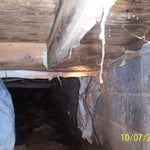
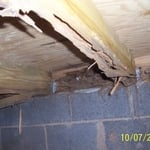
Technician inspecting foundation
Termite Treatment
Pest Control
Pest Control

+2

Recommended by83%of homeowners
Avatar for Terminix
Terminix
3.7(
472
)
Pest Control - Bed BugsPest Control - Bugs and InsectsPest Control - Rodents+1 more

Serving Martin, KY and surrounding areas

In business since 1927

Free estimates

Credit card accepted

"Very friendly tech came to examine our house. He was really late, but this did not matter - lost his way. The cost was way beyond what we are willing to pay for pest control (over $1000) but we do have a fairly problematic carpenter bee problem."
Pest Control
Pest Control
Pest Control
Termite Treatment
Termite Treatment

+2

Recommended by86%of homeowners
Pest Control questions, answered by experts

Stink bugs hate strong, fragrant scents like clove, lemongrass, spearmint, and Ylang Ylang, so you can use essential oils as a natural deterrent. (Always keep them out of reach of your pets!) In the garden, plants like lavender, garlic, and catnip can ward off stink bugs thanks to their pungent aroma. Also, avoid decorating with white, as stink bugs are oddly attracted to it.

Pros offer targeted treatments that are more effective and long-lasting, using specialized equipment and knowledge.

Roaches have a strong sense of smell and are repelled by a variety of potent aromas. Scents that can help deter them include citrus (such as lemon and orange), herbs like peppermint, mint, basil, thyme, and oregano, spices like bay leaves, cinnamon, clove, and garlic, as well as lavender, eucalyptus, citronella, tea tree oil, and vinegar.

You can use these scents in several ways to create an unwelcoming environment for roaches:

  • Plants: Place mint or lavender plants in your home or garden.

  • Powders and Leaves: Sprinkle garlic powder or place crushed bay leaves and citrus peels in high-risk areas like kitchens, bathrooms, and entry points.

  • Sprays: Create a diluted solution with scents like lemon or vinegar to spray in your home. These can also be used in cleaning products or as room fresheners.

  • Essential Oils: While essential oils of these scents can be used, be cautious as they can be toxic to pets if inhaled.

It is important to note that while these smells can help keep roaches away, they typically do not kill them and may not be enough to drive out an existing infestation entirely. For best results, combine these scent-based deterrents with regular cleaning. Be sure to clean up all food spills, crumbs, and dirty dishes promptly, and keep trash cans covered with a tight-fitting lid to remove potential food sources.

No single deterrent will work 100 percent of the time, so we suggest combining deterrents to ensure your seed has the best possible chance to grow. Using bird netting over your seed, with physical deterrents like mylar tape coupled with hanging bird feeders at the edges of your growing area—and removing any bird’s nests, if possible—will give your seeds the best possible chance for success.

An owl's worst enemy in the wild is often other raptors and environmental factors. Among the avian threats, larger owls or other birds of prey can pose a danger, engaging in territorial disputes or competing for food resources. Terrestrial predators like foxes, raccoons, and larger mammals may target owl nests or young fledglings. Environmental factors like severe weather conditions, habitat loss, and food availability changes can also significantly impact owl populations.

The Martin, KY homeowners’ guide to pest control services

From average costs to expert advice, get all the answers you need to get your job done.