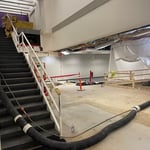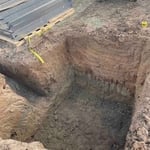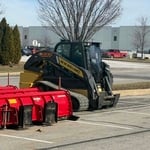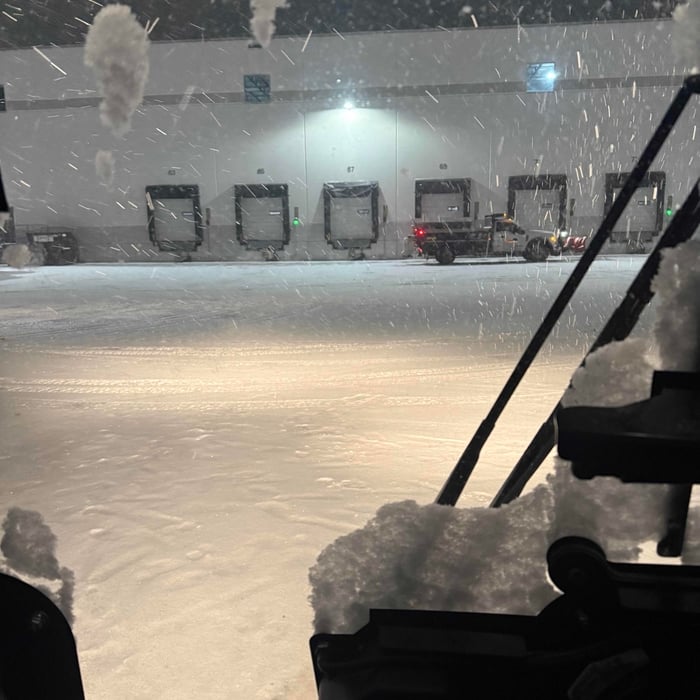







Top-rated excavation pros.

Get matched with top excavation pros in Southgate, KY

Enter your zip and get matched with up to 5 pros

Need a pro for your excavation project in Southgate, KY?

Select your specific project to find the pro for you.

TRUSTED BY SOUTHGATE, KY HOMEOWNERS

  • Average homeowner rating star icon4.8
    Average homeowner rating
  • Verified reviews icon22
    Verified excavation services reviews

Find Excavation pros in Southgate

Avatar for C Kirk Enterprises, LLC
C Kirk Enterprises, LLC
4.8(
14
)
Excavation - Major Grading or ReslopingExcavation - Major Grading or Resloping - For Business

Serving Southgate, KY and surrounding areas

Approved

In business since 2020

Free estimates

Emergency services offered

"Our home owners association was responsible for getting a structure torn down. We contacted a few places for estimates. C. Kirk enterprises returned my call and got a quote together very quickly. We used them for the project and they did a great job. Communication was excellent. They did what they agreed to do and kept us informed every step of the way. We will definitely contact C. Kirk enterprises for any and all jobs we have in the future. Thanks again!"

My work
My work
My work
My work
My work

+3

Response time1 day
Response rate94%
5 neighbors recently requested a quote
...
Showing 1-10 of 179
Excavating questions, answered by experts

Digging out a basement takes anywhere from a few days to a few months. Most projects take at least two to five weeks, but it could take several months if you encounter obstacles. This project takes longer if you need to brace or raise your home before the excavation. Digging out a basement in new construction can take as little as three days.

You can bury underground electrical wire six inches deep—but only if you use a rigid metal electrical conduit. For rigid, non-metallic conduits, bury the wire at least 12 inches deep. If using an underground feeder cable rated for direct burial, you'll need to place it at least 18 inches deep, as it has no conduit for extra protection.

A trench that is less than 5 feet deep often doesn't require a protective system. Most residential trenches will not go this deep (the typical residential drainage trench is just 18 inches deep). In the event that an excavator needs to dig more than 5 feet beneath the surface, a protective system is required unless the excavation is in entirely stable rock.

Trenching and boring are two distinct methods for installing underground utilities. Trenching involves digging a channel using equipment like an excavator, trencher, backhoe, or shovel. While it is a simpler process, it causes significant disruption to the surface, landscaping, and surrounding ecosystems.

Boring, also known as directional boring, is a less invasive alternative that uses a drill to create a tunnel for utility lines without disturbing the surface. This method is more precise and is ideal for installations that need to go underneath buildings, roads, or bodies of water. Although boring is less disruptive, it is generally more expensive than trenching.

It can take several weeks for the ground to settle after removing a tree, and the soil under larger, more mature trees can take months. The deeper the tree has been ground under the soil, the longer it will take to settle. However, this extra depth can help you plant new landscaping sooner because you’ll have more space for fresh soil.

The Southgate, KY homeowners’ guide to excavation services

From average costs to expert advice, get all the answers you need to get your job done.