



Top-rated arborists.

Best arborists near Valley Falls, KS

Enter your zip and get matched with up to 5 pros

Need a pro for your arboricultural service project in Valley Falls, KS?

Select your specific project to find the pro for you.

TRUSTED BY VALLEY FALLS, KS HOMEOWNERS

  • Average homeowner rating star icon4.4
    Average homeowner rating
  • Verified reviews icon40
    Verified arboricultural services reviews

Top-Rated Arborists in Valley Falls - Updated Nov 2026

Avatar for Premium property clean up
Premium property clean up
5.0(
6
)
Tree RemovalTree Removal - For BusinessTree Stump - Remove+5 more

Serving Valley Falls, KS and surrounding areas

In business since 2022

Emergency services offered

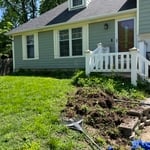
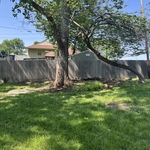
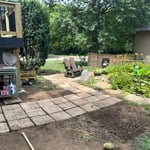
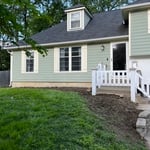
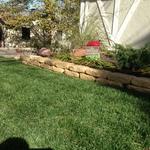
"Hunter arrived when he said he would and performed the tasks needed on a timely basis. He worked hard in every detail of my landscaping project and cleaned up when he was finished. Hardscaping is not easy but the finished project was worth every penny. I could not have accomplished this project on my own."
Tree Service Project
Lawn and Yard Work Project
Tree Service Project

+20

Recommended by100%of homeowners
Showing 1-10 of 44
Arborists FAQs, answered by experts

Hiring an arborist costs around $900 on average, with prices ranging from $250 to $2,500 or more. Some arborists charge an hourly rate, typically between $100 and $350 per hour. The final cost depends on several factors, including the type of work, the number of trees, accessibility, and whether you hire an independent arborist or a larger tree service company. When hiring, you should also consider their experience and insurance coverage.

Below are some estimated costs for common arborist jobs:

  • Small tree removal: $300 to $500

  • Large tree removal: $500 to $2,000 or more

  • Tree health assessment: $150

  • Trimming a small tree: $75 to $200

  • Trimming a large tree: $150 to $400

  • Dealing with invasive species: $150 to $1,000 or more

Generally, you’ll want to prune back the trunk by 1 to 2 feet each year to promote bushy growth. Doing so concentrates vegetative buds closer to the bottom of the tree, where you can easily harvest fruit. For side shoots that are a year old, leave at least six leaves. 

Never remove more than 30% of a tree’s foliage during pruning—even if your tree is really overgrown. Removing this much foliage at a time could kill your tree.

DIY is risky and not recommended for large trees; professional services ensure safe removal and proper disposal.

Tree experts don’t advise against digging through tree roots, but instead encourage caution and consultation with a local arborist to make sure you don’t damage the tree’s structure or interrupt its water or nutrient intake. An arborist can recommend specific practices when digging and help prune the roots or dig a trench for utilities with a tool that can remove soil without touching the tree’s roots.

Completely topping a plum tree is a risky business. Cut too much, and you’ll kill your tree. That said, you do need to trim the top of your tree to encourage bushy growth, maintain your tree’s vase shape, and limit size. 

A plum tree's central leader (or trunk) should never extend more than 3 feet above the highest branch. When you first plant your tree, cut the central leader so it’s 2 to 3 feet tall. As it grows, cut it back 12 to 20 inches until it reaches its desired height. Never prune more than one-third of the new growth.

The Valley Falls, KS homeowners’ guide to arboricultural services

From average costs to expert advice, get all the answers you need to get your job done.