


Top-rated tree service pros.

Best tree service pros near Valley Falls, KS

Enter your zip and get matched with up to 5 pros

Need a pro for your tree service project in Valley Falls, KS?

Select your specific project to find the pro for you.

TRUSTED BY VALLEY FALLS, KS HOMEOWNERS

  • Average homeowner rating star icon4.4
    Average homeowner rating
  • Verified reviews icon28
    Verified tree services reviews

Top-Rated Tree service pros in Valley Falls - Updated Nov 2026

Avatar for Doerr Enterprises, LLC.
Doerr Enterprises, LLC.
5.0(
5
)
Tree RemovalTree Removal - For Business

Serving Valley Falls, KS and surrounding areas

Approved

In business since 2024

Offers commercial services

"We contacted Doerr Enterprises this last fall to trim our tree in our front yard that was looking a little sad. He was very prompt to get to the job, get it done and cleaned up! We have also hired him for the first snow we got so far this year and he cleaned our drive in no time! Would highly recommend his services!"
6 neighbors recently requested a quote

Showing 1-10 of 44
Tree Service FAQs, answered by experts

Late winter is ideal, but if you’re pruning apple trees in the spring, prune them as early as possible in the season. You want to ensure your tree is just creeping out of dormancy and hasn’t started pushing out new growth. If you prune your tree too late into spring, you generally won’t see results until the following year.

That said, there’s no pruning season for unhealthy growth. Remove dead, dying, or diseased branches as soon as you notice them, regardless of the time of year.

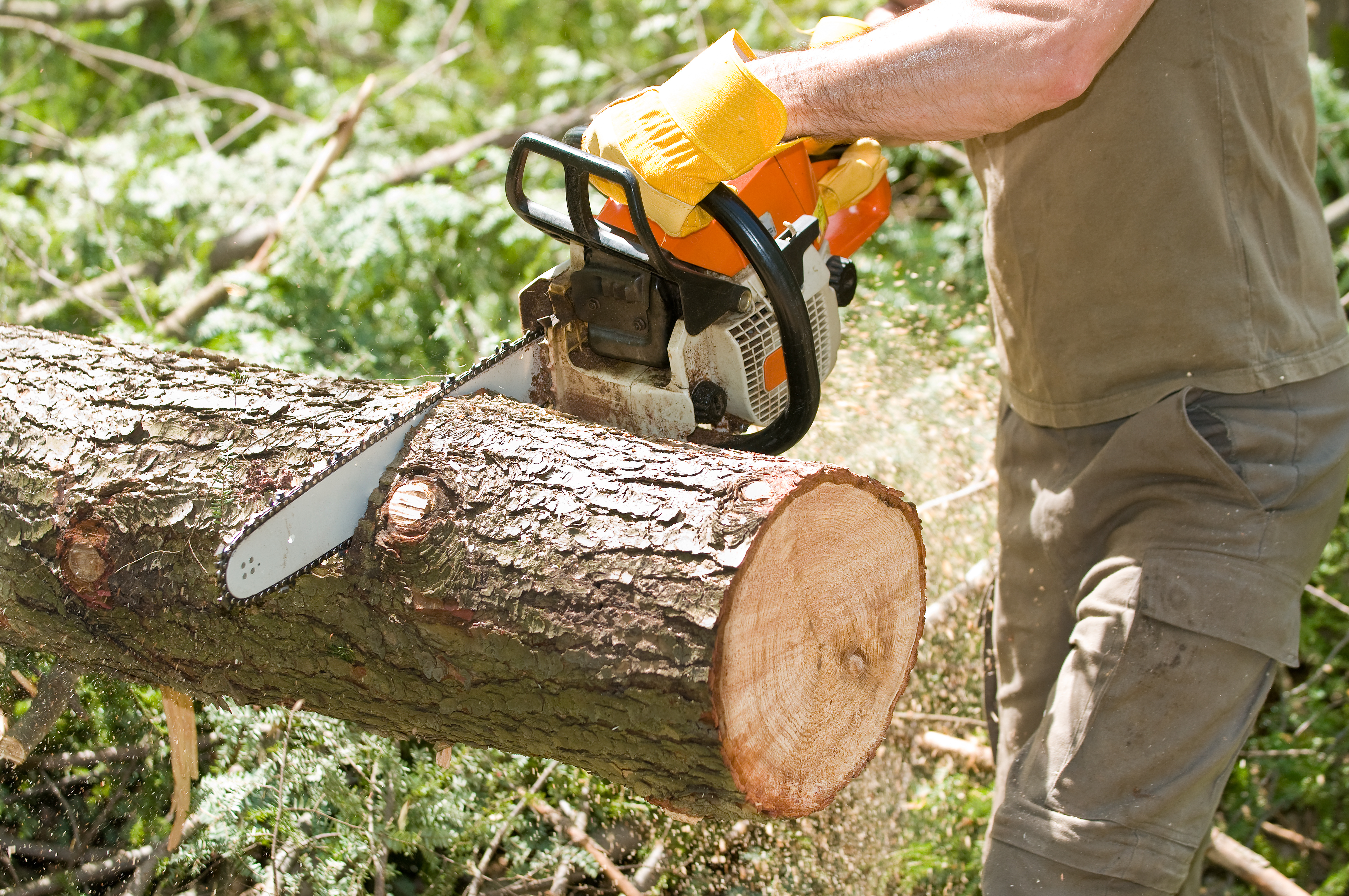
The best tools for tree removal include a chainsaw for large trees, an ax for notching and cutting down small trees, and a wedge to help control the direction a tree falls in. A hatchet can be useful for very small trees, but won’t be effective for medium to large trees. 

The best time to transplant a tree is when it is dormant. For many trees, this means either in the fall after the leaves have dropped (around October or November) or in early spring before new growth begins (around March). The ideal timing can depend on the type of tree. Deciduous trees do well when moved in early spring or fall, while evergreens are best transplanted in early spring or late summer. For example, pine trees are best moved in early fall, but maples prefer late fall. Avoid transplanting in winter, as the frozen or hard, cold soil poses a significant risk to the roots and prevents the tree from acclimating properly.

The best time to cut down a tree is during its dormant season, typically in winter or early spring, after all the leaves have fallen. Removing a tree during this period is advantageous for several reasons. Frozen ground helps secure the tree stump, protects the surrounding landscape from damage, and reduces the risk of the tree falling in an unintended direction. With the leaves gone, there is less risk of the tree's foliage getting tangled with other trees. Additionally, since this is often a slower season for tree services, you may be able to hire a professional at a lower rate. This dormant period is also the best time for tree trimming.

It’s not as common for Dutch elm disease to affect other types of trees, especially if the surrounding trees aren’t elms. However, it is possible for DED to spread to other trees, particularly in northern states, like Minnesota. In fact, it’s a good idea to use geography to identify wood and determine which types of trees are in your yard. 

Unfortunately, the complex and shallow root system of elm trees makes surrounding elm trees particularly vulnerable to DED. Early discovery is key!

The Valley Falls, KS homeowners’ guide to tree services

From average costs to expert advice, get all the answers you need to get your job done.