



Top-rated fire pit installation pros.

Get matched with top fire pit installation pros in Spring Hill, KS

Enter your zip and get matched with up to 5 pros

Need a pro for your fire pit installation project in Spring Hill, KS?

Select your specific project to find the pro for you.

TRUSTED BY SPRING HILL, KS HOMEOWNERS

  • Average homeowner rating star icon4.4
    Average homeowner rating
  • Verified reviews icon480
    Verified fire pit installation services reviews

Find Fire pit installation pros in Spring Hill

No results for Fire pit installation pro in

Try adjusting your search criteria.
Fire Pit Installation questions, answered by experts

You can relight a pilot light by yourself, but it’s not always the safest choice to do so. While the job is straightforward, a small mistake could end in a gas leak, fire, or explosion. That’s why we recommend everyone hire a pro for this job. Local furnace pros have lit dozens if not hundreds of pilot lights, and they’re well-versed and highly experienced in the proper safety protocols to keep you, your family, and your home safe while doing so.

Attics often contain a mix of insulation, electrical wiring, and other materials that can pose fire risks. That’s why furnaces should be installed in the attic with proper insulation and clearance from combustible materials. Additionally, the furnace should be equipped with proper ventilation and heat shields to prevent the buildup of excessive heat in the attic space. Regular inspections and maintenance are also crucial to identify and address any potential fire hazards.

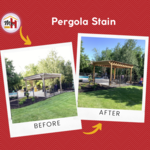
While your municipality may have its own regulations requiring pergolas or other structures to be a certain height above a fire pit, the standard recommendation is that the pergola should be at least 10 feet above the fire pit. A taller pergola allows the heat from the flames to dissipate before reaching the structure.
When a carbon monoxide alarm goes off, you should always take it seriously. Infrequent and occasional chirps often point to a low battery, a faulty device, or dust buildup (this usually affects smoke detectors and not standalone CO detectors). A continuous alarm signals an emergency, and you should immediately evacuate and call 911. When it comes to carbon monoxide in your home, it’s better safe than sorry.

You should never block both the top and bottom of your chimney. Proper airflow is essential because the temperature inside the chimney will still fluctuate as your house warms and cools. Moisture can build up without ventilation, leading to dampness in your walls over time. Blocking the top prevents debris and animals from entering, but the chimney still needs air circulation to avoid condensation issues. Allowing the chimney to breathe maintains the health of your home and prevents long-term damage.

The Spring Hill, KS homeowners’ guide to fire pit installation services

From average costs to expert advice, get all the answers you need to get your job done.