



Top-rated radon detection and reduction specialists.

Get matched with top radon detection and reduction specialists in Saint John, KS

Enter your zip and get matched with up to 5 pros

Need a pro for your radon detection and reduction project in Saint John, KS?

Select your specific project to find the pro for you.

Find Radon detection and reduction specialists in Saint John

Heartland Enviromental
4.9(
32
)
Radon Gas - AbatementRadon Gas - Testing

Serving Saint John, KS and surrounding areas

In business since 2004

Free estimates

Credit card accepted

"We hired Dan after our radon tests in our basement came back off the charts - the average was 11.3 pCi/L. He was on-time, courteous, and professional. After installing the radon mitigation system, the 2nd test came back at an average of 1.8 pCi/L - what a huge difference!"
Response time11 hrs
Response rate89%
21 neighbors recently requested a quote
Radon Detection and Reduction questions, answered by experts

Ideally, no one will live in a house with elevated radon levels, as prolonged exposure increases the risk of serious health issues like lung cancer. However, homes with radon can be made safe through mitigation systems, such as active soil depressurization. Testing for radon regularly and addressing high levels helps ensure a safe living environment.

The cost for a radon mitigation system typically ranges from $800 to $1,500, with an average around $1,000. The final price depends on several factors, including the size of your home, the severity of the radon issue, and the type of system required. Your home's foundation type also significantly impacts the cost. For example, sealing and ventilating an unfinished basement might cost around $4,600, while encapsulating a crawl space without a foundation slab can range from $1,500 to $15,000.

The natural breakdown of uranium in soil, rock, and water can cause radon to appear in a home. The gas seeps into homes through cracks in foundations, walls, or floors, as well as through gaps around pipes or construction joints. Radon levels are influenced by soil composition, building materials, and ventilation. Poorly sealed or airtight homes can trap radon, allowing it to accumulate.

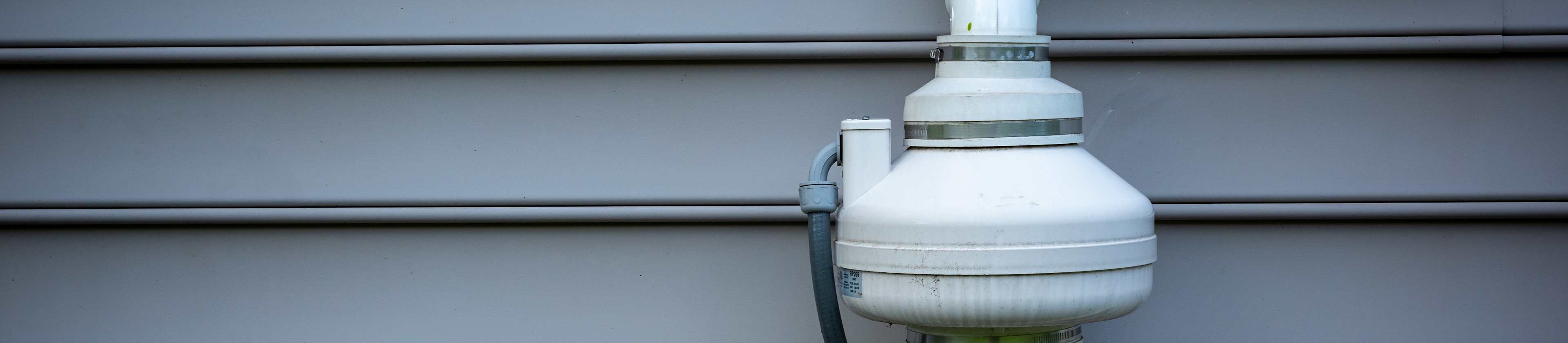
The fan that pulls the radon out of the air needs to run continuously, so you may see an increase in your electric bill once you install the mitigation system. Additionally, you may see an increase in your heating or cooling bills, as the fan can cause some loss of hot or cool air.

Radon enters your home when warm air begins to rise and exits through the roof, creating a vacuum that pulls cooler air from under the foundation. Part of that air is radon, which is an invisible, odorless gas that develops naturally when radioactive particles are deep within the ground. Those particles usually come from decaying matter in soil and rocks.

The Saint John, KS homeowners’ guide to radon detection and reduction services

From average costs to expert advice, get all the answers you need to get your job done.




