



Top-rated radon detection and reduction specialists.

Get matched with top radon detection and reduction specialists in Rose Hill, KS

Enter your zip and get matched with up to 5 pros

Need a pro for your radon detection and reduction project in Rose Hill, KS?

Select your specific project to find the pro for you.

Find Radon detection and reduction specialists in Rose Hill

Heartland Enviromental
4.9(
32
)
Radon Gas - AbatementRadon Gas - Testing

Serving Rose Hill, KS and surrounding areas

Approved

In business since 2004

Free estimates

Emergency services offered

"Dan, did a good job of radon gas mitigation. We are under retesting the radon make sure it has lower than 4 level. We are going to update the full experience with Heartland Environment once the job and radon result came back. As of now, this company deliver the good service. Thank you"
Response time10 hrs
Response rate100%
6 neighbors recently requested a quote

All Around Construction Systems
4.3(
9
)
Radon Gas - AbatementRadon Gas - Testing

Serving Rose Hill, KS and surrounding areas

In business since 2010

Emergency services offered

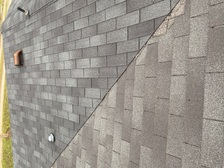
"Jon has completed work for us on two seperate occasions.  He went above and beyond to assure we understood  what was needed and the cost.  We required some shingles to be replaced - he did the research and purchased them for us then made the necessary repairs.  He also changed some outdoor flood lights (high up) and power washed our gutters.  Everything was done in a timely way and with professionalism.  We will use him on all occasions that require a Handyman. "
Recommended by100%of homeowners
Radon Detection and Reduction questions, answered by experts

You'll need to test your home for radon after installing the mitigation system, then again every two years. If radon remains elevated, contact a licensed radon professional, either the contractor who installed the system or a different one, and have them evaluate the system. They may need to make some changes to improve its effectiveness and performance.

The natural breakdown of uranium in soil, rock, and water can cause radon to appear in a home. The gas seeps into homes through cracks in foundations, walls, or floors, as well as through gaps around pipes or construction joints. Radon levels are influenced by soil composition, building materials, and ventilation. Poorly sealed or airtight homes can trap radon, allowing it to accumulate.

Your radon fan needs to operate 24/7 to be effective. The only time the fan isn't operating is during its replacement. Radon levels in the home can increase within hours if the fan stops working or something obstructs the stack vent. Fortunately, radon systems require no downtime maintenance between fan changes.

The soil beneath your house is most likely what’s causing an increased level of radon. This is because soil holds radioactivity for a long time and it’s also what most buildings are built on. Another common source of radon is water from a source that hasn’t been through periodic radon tests, such as well water. Over time, the radon from the soil can inhabit other parts of your house like the foundation or plumbing.

A homeowner can install a radon mitigation system on their own. But it’s a challenging DIY that requires a lot of knowledge about radon mitigation as well as familiarity with local regulations. You do not want to risk an improper installation that leaves the system unable to detect radon or gives it a shortened life span. Relying on a professional is the surest way to guarantee a successful installation.

The Rose Hill, KS homeowners’ guide to radon detection and reduction services

From average costs to expert advice, get all the answers you need to get your job done.