



Top-rated radon detection and reduction specialists.

Best radon detection and reduction specialists near Oxford, KS

Enter your zip and get matched with up to 5 pros

Need a pro for your radon detection and reduction project in Oxford, KS?

Select your specific project to find the pro for you.

Top-Rated Radon detection and reduction specialists in Oxford - Updated Nov 2026

Heartland Enviromental
4.9(
34
)
Radon Gas - AbatementRadon Gas - Testing

Serving Oxford, KS and surrounding areas

Approved

In business since 2004

Free estimates

Emergency services offered

"Dan, did a good job of radon gas mitigation. We are under retesting the radon make sure it has lower than 4 level. We are going to update the full experience with Heartland Environment once the job and radon result came back. As of now, this company deliver the good service. Thank you"
Response time10 hrs
Response rate100%
12 neighbors recently requested a quote
All Around Construction Systems
4.3(
9
)
Radon Gas - AbatementRadon Gas - Testing

Serving Oxford, KS and surrounding areas

In business since 2010

Emergency services offered

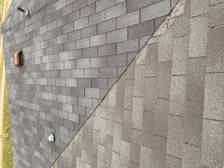
"Jon has completed work for us on two seperate occasions.  He went above and beyond to assure we understood  what was needed and the cost.  We required some shingles to be replaced - he did the research and purchased them for us then made the necessary repairs.  He also changed some outdoor flood lights (high up) and power washed our gutters.  Everything was done in a timely way and with professionalism.  We will use him on all occasions that require a Handyman. "
Recommended by100%of homeowners
Radon Detection and Reduction FAQs, answered by experts

If your home has a sump pit, you can integrate it with a radon mitigation system. You can accomplish this by sealing the pump cover with an airtight lid that accommodates radon vent pipes and sump pump hoses. This allows the vent pipe to redirect the radon gas outside of your home.

Mitigation reduces radon levels, protecting your health and complying with safety standards.

No level of radon is technically safe, but since it is present everywhere, complete avoidance is impossible. The average radon level in homes across the United States is 1.3 picocuries per liter (pCi/L). The Environmental Protection Agency (EPA) recommends taking preventative measures if your home's radon levels are between 2 and 4 pCi/L or higher.

The average radon mitigation system uses about 876 kWh of electricity per year, although the exact amount of electricity used will vary depending on the size of the radon fan. Once the system is installed, the annual increase to your energy bill could range from $30 to $300 per year, again depending on the size of the fan.

The lifespan of a radon mitigation system depends on the type of system and its maintenance. With proper care, a system can last for many decades. Passive systems tend to last longer as they have fewer components that require replacement. Active systems, which have more moving parts like fans, generally have a shorter lifespan. For instance, water filtration devices and active pressurization systems require more frequent maintenance. While the system as a whole is durable, the radon fan in an active system typically has a lifespan of 5 to 10 years and will need to be replaced. As long as the fan is working, the mitigation system should function correctly.

The Oxford, KS homeowners’ guide to radon detection and reduction services

From average costs to expert advice, get all the answers you need to get your job done.