



Top-rated radon detection and reduction specialists.

Best radon detection and reduction specialists near Valley Center, KS

Enter your zip and get matched with up to 5 pros

Need a pro for your radon detection and reduction project in Valley Center, KS?

Select your specific project to find the pro for you.

Top-Rated Radon detection and reduction specialists in Valley Center - Updated Nov 2026

Heartland Enviromental
4.9(
34
)
Radon Gas - AbatementRadon Gas - Testing

Serving Valley Center, KS and surrounding areas

Approved

In business since 2004

Free estimates

Emergency services offered

"Dan, did a good job of radon gas mitigation. We are under retesting the radon make sure it has lower than 4 level. We are going to update the full experience with Heartland Environment once the job and radon result came back. As of now, this company deliver the good service. Thank you"
Response time10 hrs
Response rate100%
2 neighbors recently requested a quote
All Around Construction Systems
4.3(
9
)
Radon Gas - AbatementRadon Gas - Testing

Serving Valley Center, KS and surrounding areas

In business since 2010

Emergency services offered

"Jon has completed work for us on two seperate occasions.  He went above and beyond to assure we understood  what was needed and the cost.  We required some shingles to be replaced - he did the research and purchased them for us then made the necessary repairs.  He also changed some outdoor flood lights (high up) and power washed our gutters.  Everything was done in a timely way and with professionalism.  We will use him on all occasions that require a Handyman. "
Recommended by100%of homeowners
Radon Detection and Reduction FAQs, answered by experts

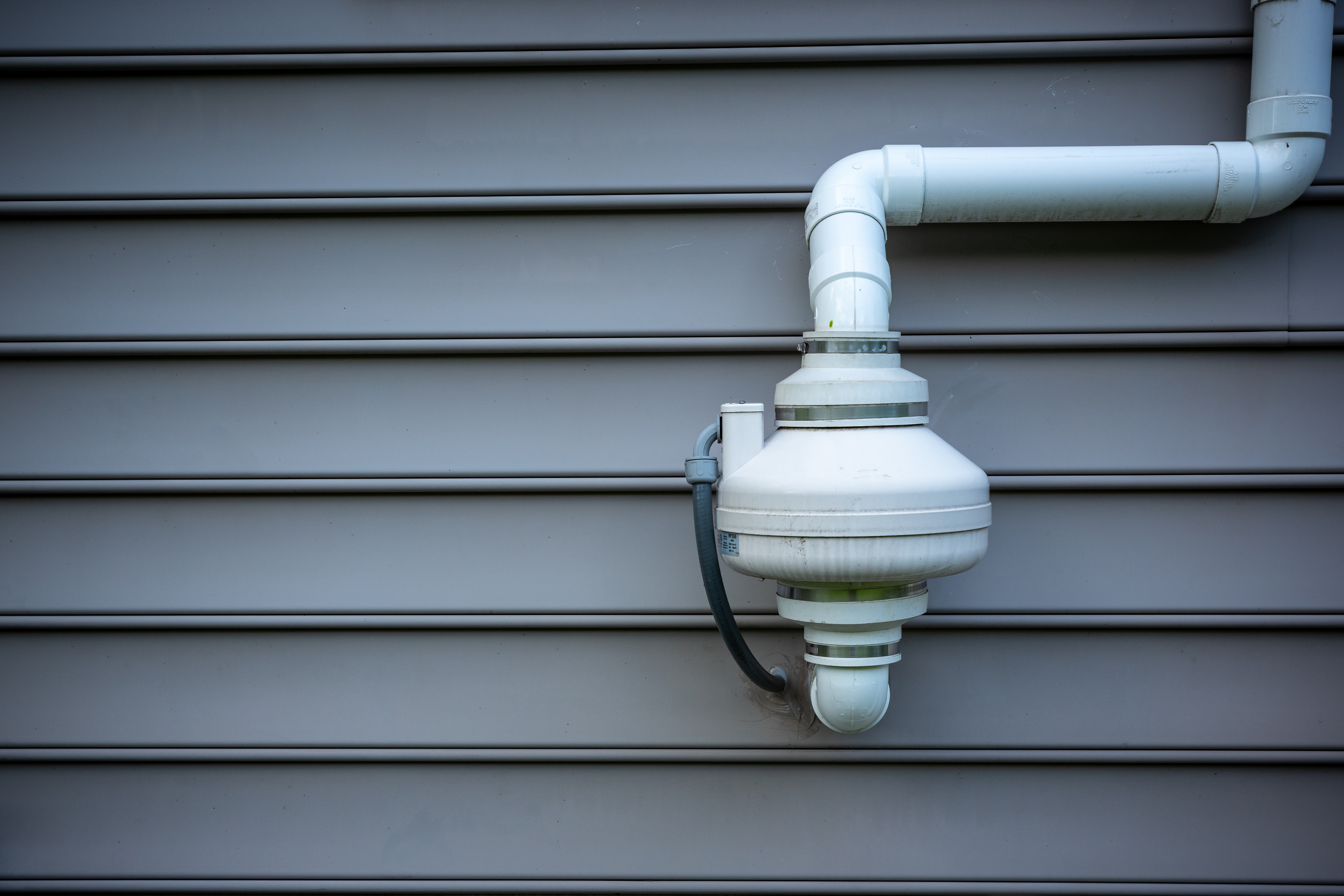
The cost to replace a radon fan ranges from $300 to $600 for the fan itself, with installation adding an additional $200 to $500. Overall, the total cost for replacement can range from $500 to $1,100, depending on factors such as the fan model, home size, and local labor rates. If the fan is part of a larger radon mitigation system, the price may be higher.

The lifespan of a radon mitigation system depends on the type of system and its maintenance. With proper care, a system can last for many decades. Passive systems tend to last longer as they have fewer components that require replacement. Active systems, which have more moving parts like fans, generally have a shorter lifespan. For instance, water filtration devices and active pressurization systems require more frequent maintenance. While the system as a whole is durable, the radon fan in an active system typically has a lifespan of 5 to 10 years and will need to be replaced. As long as the fan is working, the mitigation system should function correctly.

You'll need to test your home for radon after installing the mitigation system, then again every two years. If radon remains elevated, contact a licensed radon professional, either the contractor who installed the system or a different one, and have them evaluate the system. They may need to make some changes to improve its effectiveness and performance.

Ideally, no one will live in a house with elevated radon levels, as prolonged exposure increases the risk of serious health issues like lung cancer. However, homes with radon can be made safe through mitigation systems, such as active soil depressurization. Testing for radon regularly and addressing high levels helps ensure a safe living environment.

Radon is the number one non-smoking cause of lung cancer in the United States, but it can cause some other concerning side effects in the meantime. If you have a raspy voice, chest pains, trouble breathing, difficulty swallowing, or any of the above, don’t hesitate to perform radon testing and install a mitigation system as soon as possible.

The Valley Center, KS homeowners’ guide to radon detection and reduction services

From average costs to expert advice, get all the answers you need to get your job done.




