
Top-rated leaf removal pros.

Get matched with top leaf removal pros in Oswego, KS

Enter your zip and get matched with up to 5 pros

Need a pro for your leaf removal project in Oswego, KS?

Select your specific project to find the pro for you.

Find Leaf removal pros in Oswego

Avatar for Red Dirt Junk Removal
Red Dirt Junk Removal
New to Angi
Waste, Junk, Building Materials and Debris - Remove and Haul

Serving Oswego, KS and surrounding areas

Approved

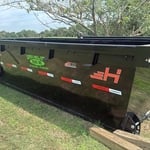
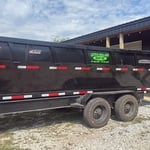
Red Dirt Junk Removal focuses on affordable, straightforward pricing and quick service, making it easy for homeowners, renters, and contractors to get rid of clutter without the hassle. Whether it’s a small pickup or a larger cleanout, the goal is to provide dependable, professional junk removal for the community. Supporting Miami OK and all surrounding areas. Most competitive pricing around! Always free estimates!

...
Showing 1-10 of 61
Leaf Removal questions, answered by experts

According to the Environmental Protection Agency (EPA), hazardous waste is generally classified into four main categories:
1. Characteristic Wastes: These exhibit at least one of four hazardous traits: ignitability (flammable, like gasoline), corrosivity (can rust or decompose materials, like car batteries), reactivity (unstable and can explode, like aerosol cans), or toxicity (harmful when ingested, like lead-based paint).
2. Listed Wastes: These are specific wastes from manufacturing and industrial processes that the EPA has officially designated as hazardous. They include byproducts from processes that use solvents, pesticides, and other chemicals.

3. Universal Wastes: These are commonly generated hazardous items that are subject to streamlined regulations. Examples include batteries, pesticides, mercury-containing equipment (e.g., bulbs), and some lamps.

4. Mixed Wastes: This category includes waste that contains both hazardous and radioactive components, making it subject to regulation by both the EPA and the Nuclear Regulatory Commission.

The EPA enforces hazardous waste laws and ensures people dispose of their hazardous waste responsibly. Depending on where you live, your state’s hazardous waste regulatory agency may also enforce these laws. Individually, it’s up to each household to properly dispose of their hazardous waste.

Lead removal can take a few days to several weeks, depending on the work needed, particularly if the lead is widespread and in hard-to-reach areas.

You do not have to remove lead paint if the surface is not chipping or peeling or if there are no pregnant people or children under the age of six who live in or regularly visit your home. Lead paint is a particular risk for young children whose brains and bodies are not fully developed. Experts strongly recommend that you call a pro to remove lead paint if it’s peeling or flaking, no matter who lives in the home. You can experience lead poisoning by breathing in or ingesting just a small amount of it.

You should ask a few questions to ensure that your potential lead removal professional is experienced and qualified to handle lead-paint abatement safely, legally, and properly.

  • What are your qualifications and experience removing lead-based paint?

  • Are you licensed and certified to remove lead-based paint?

  • How do you test for lead paint?

  • What methods do you use for lead-based paint abatement?

  • What do you plan to do with the hazardous material when you remove it from the home?

  • Do you do replacement and painting work or removal only?

The Oswego, KS homeowners’ guide to leaf removal services

From average costs to expert advice, get all the answers you need to get your job done.