


Top-rated leaf removal pros.

Get matched with top leaf removal pros in Independence, KS

Enter your zip and get matched with up to 5 pros

Need a pro for your leaf removal project in Independence, KS?

Select your specific project to find the pro for you.

Find Leaf removal pros in Independence

Avatar for Vantage Point Exteriors
Vantage Point Exteriors
3.8(
122
)

Serving Independence, KS and surrounding areas

In business since 2012

Free estimates

Emergency services offered

"The windows were installed. A screen was damaged and to be replaced. After two years no screen and numerous calls. Their word and guarantee to us is worthless...... never again! I have learned a lesson........
"
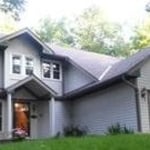
Additional Photos
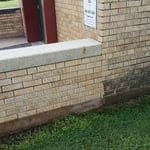
Before Vantage Point got the call
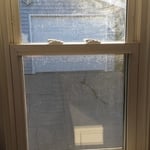
Another happy homeowner!
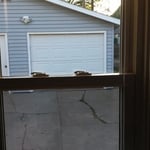
Before Vantage Point got the call.
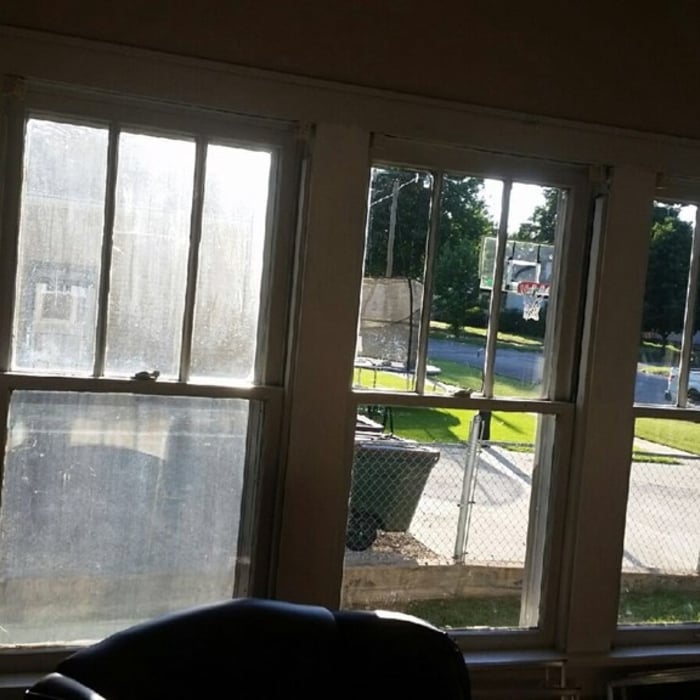
Another happy homeowner!

+38

Recommended by73%of homeowners
Showing 1-10 of 23
Leaf Removal questions, answered by experts

You should ask a few questions to ensure that your potential lead removal professional is experienced and qualified to handle lead-paint abatement safely, legally, and properly.

  • What are your qualifications and experience removing lead-based paint?

  • Are you licensed and certified to remove lead-based paint?

  • How do you test for lead paint?

  • What methods do you use for lead-based paint abatement?

  • What do you plan to do with the hazardous material when you remove it from the home?

  • Do you do replacement and painting work or removal only?

The best disposal method for hazardous waste is recycling or donation, if possible. That way, the world can reduce its consumption of raw materials and the volume at which materials have to be treated and disposed of. If recycling or donation is not an option, most waste can be disposed of through landfills or incinerators, but their collection and treatment are separate from regular day-to-day waste disposal. 

According to the Environmental Protection Agency (EPA), hazardous waste is generally classified into four main categories:

1. Characteristic Wastes: These exhibit at least one of four hazardous traits: ignitability (flammable, like gasoline), corrosivity (can rust or decompose materials, like car batteries), reactivity (unstable and can explode, like aerosol cans), or toxicity (harmful when ingested, like lead-based paint).

2. Listed Wastes: These are specific wastes from manufacturing and industrial processes that the EPA has officially designated as hazardous. They include byproducts from processes that use solvents, pesticides, and other chemicals.

3. Universal Wastes: These are commonly generated hazardous items that are subject to streamlined regulations. Examples include batteries, pesticides, mercury-containing equipment (e.g., bulbs), and some lamps.

4. Mixed Wastes: This category includes waste that contains both hazardous and radioactive components, making it subject to regulation by both the EPA and the Nuclear Regulatory Commission.

The best disposal method for hazardous waste is to take it to a professional dumping facility that specializes in and accepts hazardous materials. These facilities will dispose of the materials in a way that is safe for both humans and the environment. If you don’t have access to a nearby facility, the best way to get rid of hazardous waste is to call a professional garbage removal company who handles disposing of hazardous materials .

Lead removal is crucial in older homes to eliminate risks of lead poisoning, which can severely affect health, particularly in children, by impacting development and cognitive functions.

The Independence, KS homeowners’ guide to leaf removal services

From average costs to expert advice, get all the answers you need to get your job done.

What do you need done? We’ll find top pros.
  • 🌱 "Mow a small front yard"
  • 🛠 "Fix a leaking pipe under the sink"
  • 🏠 "Repair shingles on an asphalt roof"