

Top-rated tree service pros.

Get matched with top tree service pros in Mulberry, KS

Enter your zip and get matched with up to 5 pros

Need a pro for your tree service project in Mulberry, KS?

Select your specific project to find the pro for you.

TRUSTED BY MULBERRY, KS HOMEOWNERS

  • Average homeowner rating star icon4.9
    Average homeowner rating
  • Verified reviews icon35
    Verified tree services reviews

Find Tree service pros in Mulberry

Avatar for DryRidge Tree Works
DryRidge Tree Works
5.0(
1
)
Tree RemovalTree Stump - RemoveTree Stump - Remove - For Business

Serving Mulberry, KS and surrounding areas

Approved

In business since 2024

Free estimates

Emergency services offered

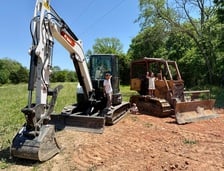
We specialize in safe, efficient, and environmentally responsible tree trimming and land clearing solutions. Whether you're preparing a site for construction, reclaiming overgrown property, or removing or trimming trees, our experienced team delivers precision and care with every job. With top-tier equipment and a commitment to customer satisfaction, we help you clear the way for your next big project. Reach out to us today and get a quote. We would love to help you!\n\n* We Do USE LARGE EQUIPMENT( SKID STEER) MUST HAVE ROOM AND BE OKAY TO ENTER EXIT YARDS IF PROJECT IS IN YARD

Response time1 day
Avatar for J's Tree Service
J's Tree Service
5.0(
6
)
Tree RemovalTree Removal - For BusinessTree Stump - Remove+1 more

Serving Mulberry, KS and surrounding areas

In business since 2024

Free estimates

Small jobs welcome

"Answered promptly, and quickly came to remove a large tree from our yard. The crew worked long hours and completed the job neatly and as directed. Very personable and professional. Highly recommend."
Response time2 hrs
Recommended by16%of homeowners
Showing 1-10 of 43
Tree Service questions, answered by experts

Generally, you’ll want to avoid pruning more than 25% of the tree’s canopy at one time. While pruning your tree is important, it’s possible to do it too often or to go too far. Again, this is why hiring a tree trimming pro to do the work is wise. However, if you do decide to DIY, going slow and trimming gradually is the name of the game.

The best way is to start controlling tree height long before it grows too large, via careful pruning through the years. But that’s not always possible. If a tree has become too high or too large, use selective pruning to remove the most troublesome branches, one by one, without topping the tree. Gently shaping a tree like this can, over time, correct problems. You can also find growth inhibitors to spray on a tree to stop it from growing too rapidly, but use these sparingly if at all.

Not all leaning trees are dangerous, but they can be a hazard as gravity may eventually cause them to fall. A key factor is whether the lean is new or has been present for a long time. Trees that have grown with a lean for years are not typically an immediate danger, but a sudden lean is a cause for concern as it often indicates weakening roots. If a tree is leaning more than 15% from vertical, you should consider having it straightened or transplanted. To be safe, it's always best to hire a professional arborist to inspect any leaning tree to assess the risk and avoid potential accidents.

It is possible to cut down a tree on your property yourself, but it is generally not recommended unless specific conditions are met. You should only consider this project if the tree is small (e.g., under 4-5 inches in diameter and short enough that you don't need a ladder to reach the branches), and you are experienced in handling a chainsaw. The tree must also be located far from any power lines, fences, homes, or other structures. Even for small trees, the work can be dangerous, and it's always advisable to have a spotter to ensure the tree falls correctly and no branches fall on you.

For any tree that is large, requires a ladder to access, or is near electrical lines or structures, you should always hire a professional. Attempting to remove a large tree yourself is extremely dangerous, poses a risk of serious injury, and could result in significant damage to your property.

Before any tree removal, it's also important to check your local and state regulations to ensure the tree is not historic or otherwise protected by your city.

Whether tree roots will continue to grow after a tree has been cut down depends on the species. Some tree roots will eventually die because they can no longer get nutrients through photosynthesis. However, other species that reproduce through root sprouts can continue to grow and produce new sprouts for seven years or more. For example, the roots of elms, ficus, and willows tend to regrow aggressively, while the roots of pines, oaks, and maples will typically die. To determine if a root system is still active, look for new sprouts on the old trunk, stump, or any exposed roots.

The Mulberry, KS homeowners’ guide to tree services

From average costs to expert advice, get all the answers you need to get your job done.