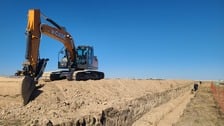
"Juan and his crew did great work! They worked my project into their schedule within a day or so. They arrived on time and worked hard all through the day. It only took them two days to complete the project. I would highly recommend them to anyone needed concrete work done."
"Very Professional. Honest hard working guys. They were a headed of estimate time of completion. Very transparent and go the extra mile. New equipment and all the proper attachments for the correct way to complete the job. I will recommend and use Pete for future projects."
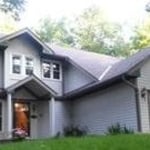
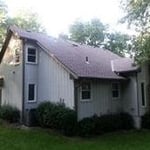
"The siding product is the best quality. The work was done with professionalism and close attention to detail. The team doing the work was professional and friendly. Everyone we worked with cared about getting the work done right. Our questions were promptly answered and we would recommend the product, James Hardie fiber cement siding and Vantage Point Exteriors."
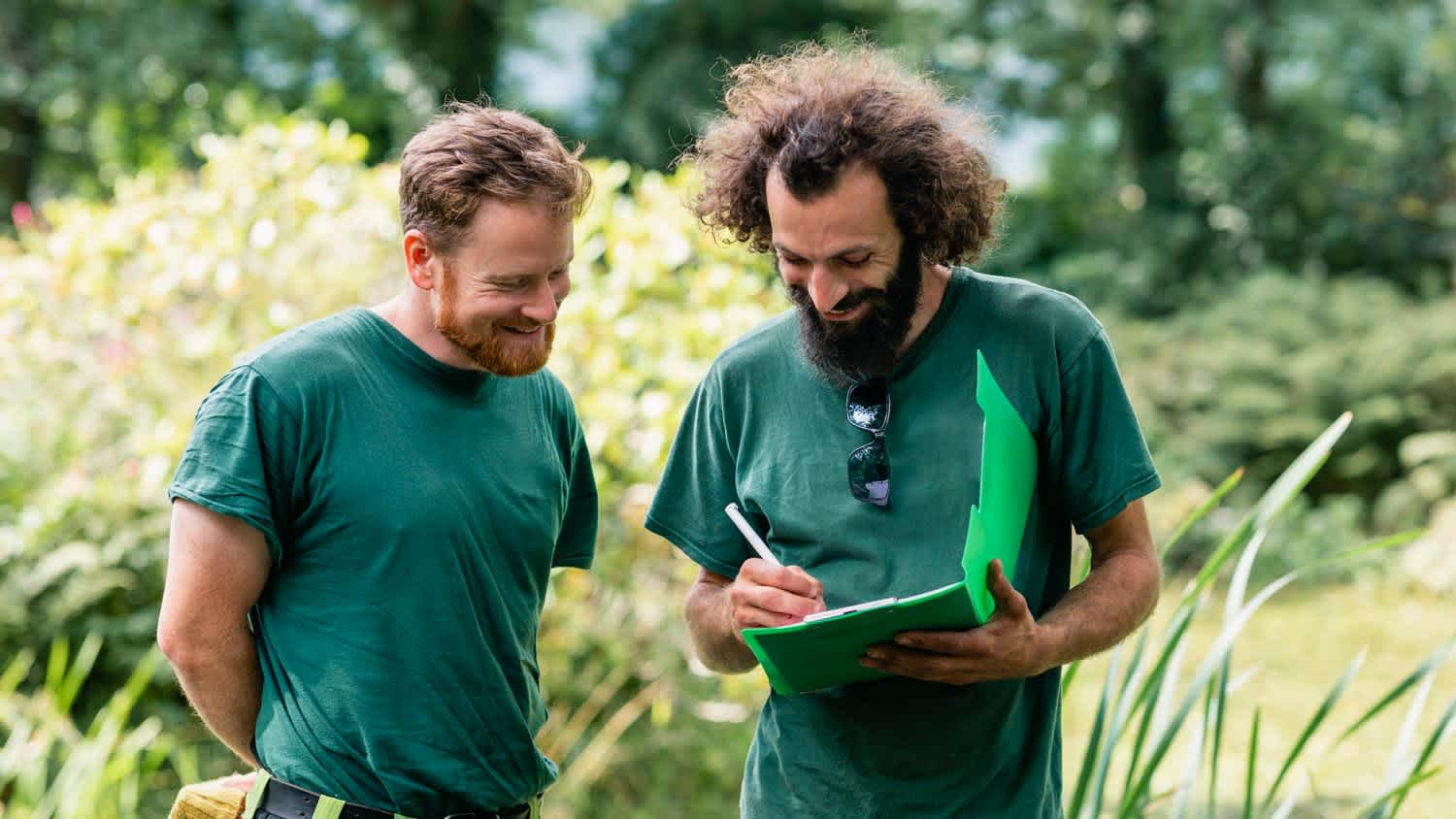
Downey Lawn & Landscape is the premier outdoor installation specialist. Our crew members provide the highest quality service for rugged landscape needs. Contact us now for your outdoor improvements.
Yes, you can put topsoil over sand to encourage grass growth. The topsoil will help to improve water retention and promote grass roots’ development, making it a recommended step of the seeding process. Adding a layer of topsoil will provide additional nutrients to the sandy soil, helping the grass grow and remain healthy through many seasons.
When planting, it's best to leave several feet between a house and a juniper bush. Many juniper varieties will become quite bushy and require space to grow. Juniper branches that come into contact with siding can damage the home's exterior over time. Also, some juniper bushes have aggressive roots that can put pressure on a home's foundation or basement walls.
While there are over 400,000 different flowering plants worldwide, there are five main types of flowers. These flower types are based on their lifecycles, giving each type a unique personality. These types are:
Annuals, which complete their entire life cycle within a single growing season.
Perennials, which the tops die off in the winter but regrow in spring.
Biennials, which complete their entire life cycle within two years.
Hybrids, which exhibit either annual or perennial behaviors depending on location
Flowering shrubs, which are small to medium-sized perennial woody plants, such as shrubs or evergreens.
The best time to plant a privet hedge is autumn, ideally October or early November. Fall is the best time to plant privet hedges because young plants need plenty of water to jump-start their growth, and it typically rains more during this season. However, you can also successfully plant privets in the spring.
Plant privet hedges at least 1 foot apart in a trench about 2 feet wide and 2 feet deep. It’s important to space privet hedges relatively far apart due to how quickly they grow to significant sizes and heights. You don’t want to crowd privet plants, or they could overcrowd each other, causing unwanted damage.
The Meade, KS homeowners’ guide to landscaping services
From average costs to expert advice, get all the answers you need to get your job done.
A landscape designer can elevate your outdoor space and bring your vision to life. Use this landscape design cost guide to budget for your next project.
A good landscaping website can help you land more sales and build your credibility. Read our list of must-have pages and ideas for your website to help potential clients find you and drive more business for your lawn care company.