






Top-rated radon detection and reduction specialists.

Get matched with top radon detection and reduction specialists in Mcpherson, KS

Enter your zip and get matched with up to 5 pros

Need a pro for your radon detection and reduction project in Mcpherson, KS?

Select your specific project to find the pro for you.

Find Radon detection and reduction specialists in Mcpherson

Heartland Enviromental
4.9(
32
)
Radon Gas - AbatementRadon Gas - Testing

Serving Mcpherson, KS and surrounding areas

In business since 2004

Free estimates

Credit card accepted

"Dan, did a good job of radon gas mitigation. We are under retesting the radon make sure it has lower than 4 level. We are going to update the full experience with Heartland Environment once the job and radon result came back. As of now, this company deliver the good service. Thank you"
Response time11 hrs
Response rate89%
17 neighbors recently requested a quote
Avatar for Ad Astra Radon Solutions
Ad Astra Radon Solutions
New to Angi
Radon Gas - AbatementRadon Gas - Testing

Serving Mcpherson, KS and surrounding areas

Free estimates

Warranties offered

Small jobs welcome

With 5+ years of professional radon experience you can trust Ad Astra Radon Solutions to make your home safer & healthier. We provide both radon mitigation and radon testing services as well as crawlspace encapsulation. We are certified to perform both radon mitigation and testing with the state of Kansas as well as with the NRPP.\n\nWe have experience mitigating new construction and existing family homes. Call us today for a free consultation!

Radon Detection and Reduction questions, answered by experts

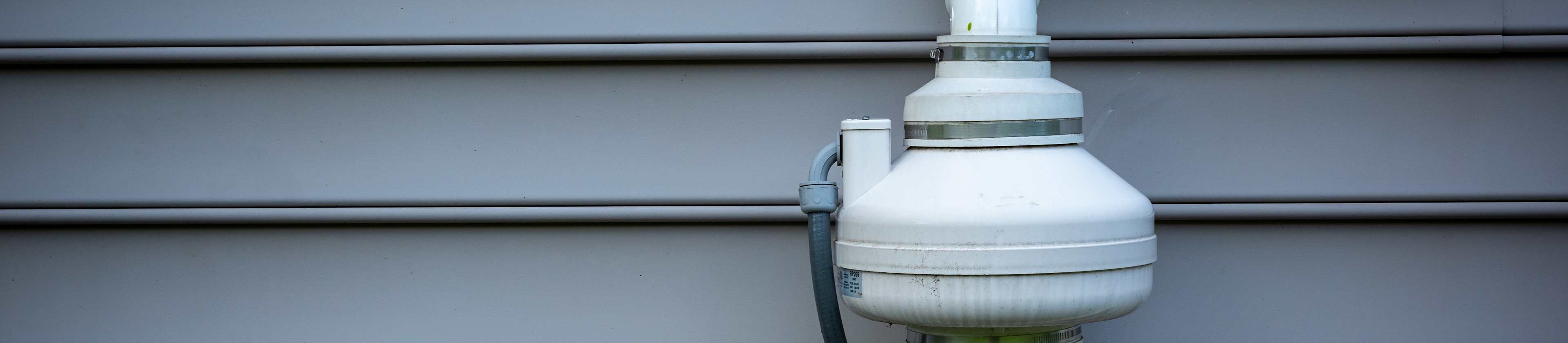
The cost to replace a radon fan ranges from $300 to $600 for the fan itself, with installation adding an additional $200 to $500. Overall, the total cost for replacement can range from $500 to $1,100, depending on factors such as the fan model, home size, and local labor rates. If the fan is part of a larger radon mitigation system, the price may be higher.

The natural breakdown of uranium in soil, rock, and water can cause radon to appear in a home. The gas seeps into homes through cracks in foundations, walls, or floors, as well as through gaps around pipes or construction joints. Radon levels are influenced by soil composition, building materials, and ventilation. Poorly sealed or airtight homes can trap radon, allowing it to accumulate.

No level of radon is technically safe, but since it is naturally present everywhere, it is impossible to avoid entirely. The average radon level in homes across the United States is 1.3 picocuries per liter (pCi/L). The Environmental Protection Agency (EPA) recommends taking action to reduce radon levels if your home's test results are between 2 and 4 pCi/L or higher.

Testing every 2-5 years or upon adjusting occupancy or structural changes maintains safe environments.

No level of radon is technically safe, but since it is present everywhere, complete avoidance is impossible. The average radon level in homes across the United States is 1.3 picocuries per liter (pCi/L). The Environmental Protection Agency (EPA) recommends taking preventative measures if your home's radon levels are between 2 and 4 pCi/L or higher.

The Mcpherson, KS homeowners’ guide to radon detection and reduction services

From average costs to expert advice, get all the answers you need to get your job done.




