



Top-rated radon detection and reduction specialists.

Get matched with top radon detection and reduction specialists in Norton, KS

Enter your zip and get matched with up to 5 pros

Need a pro for your radon detection and reduction project in Norton, KS?

Select your specific project to find the pro for you.

Find Radon detection and reduction specialists in Norton

Avatar for S&S Home Inspections
S&S Home Inspections
4.6(
21
)

Serving Norton, KS and surrounding areas

Approved

In business since 2012

Customers say: Quick response

"Showed up early. Very professional. Went over every corner of the place. price was great compared to others in the area. He is an amazing inspector. very happy with it."
 Handyman repair
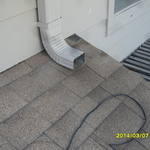
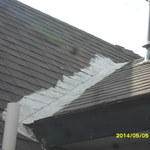
 Gutters should not dispense onto a roof covering
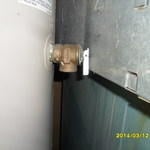
 TPR valve should extend to within 6" of the floor
Kansas Radon Levels
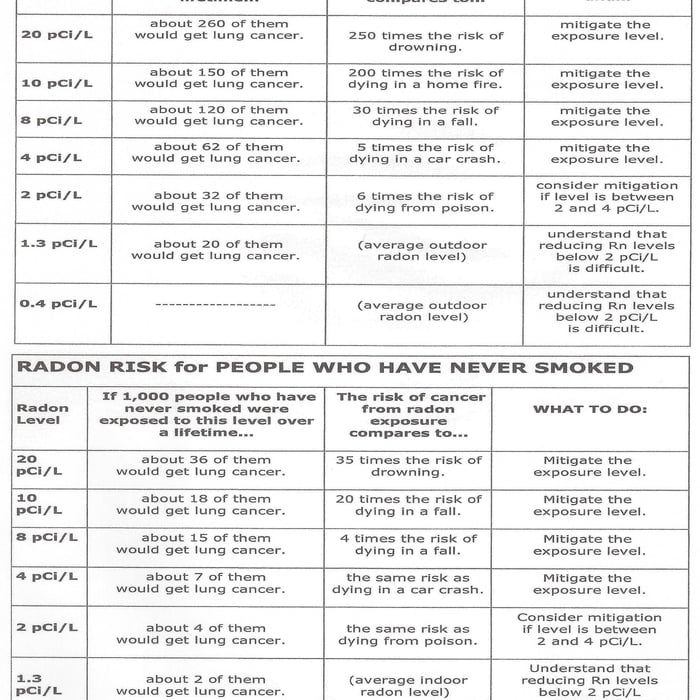
Radon Exposure and Smoking

+1

6 neighbors recently requested a quote
Recommended by100%of homeowners

Radon Detection and Reduction questions, answered by experts

You'll need to test your home for radon after installing the mitigation system, then again every two years. If radon remains elevated, contact a licensed radon professional, either the contractor who installed the system or a different one, and have them evaluate the system. They may need to make some changes to improve its effectiveness and performance.

The soil beneath your house is most likely what’s causing an increased level of radon. This is because soil holds radioactivity for a long time and it’s also what most buildings are built on. Another common source of radon is water from a source that hasn’t been through periodic radon tests, such as well water. Over time, the radon from the soil can inhabit other parts of your house like the foundation or plumbing.

There are steps you can take as a homeowner to remediate radon yourself. While a radon reduction professional can make the biggest impact in your home, you can make efforts to improve radon levels on your own by sealing cracks, increasing ventilation, and testing for radon regularly.

Abatement includes sealing entry points and venting with systems that reduce radon levels below recommended EPA limits. It is handled by certified professionals.

Your radon mitigation system may be loud because it’s time to replace it. Any sounds are usually from the inline fan that helps create the vacuum and resulting airflow. If you hear a new, loud mechanical or humming noise from your radon fan, it might be time to replace it. Most fans used in radon mitigation systems last up to 10 years, but may need to be replaced sooner.

The Norton, KS homeowners’ guide to radon detection and reduction services

From average costs to expert advice, get all the answers you need to get your job done.