Top-rated concrete leveling pros.

Get matched with top concrete leveling pros in Abilene, KS

Enter your zip and get matched with up to 5 pros

Need a pro for your concrete leveling project in Abilene, KS?

Select your specific project to find the pro for you.

Find Concrete leveling pros in Abilene

Avatar for Groundworks
Groundworks
4.5(
62
)
Concrete - Injection Leveling - MudjackingConcrete - Injection Leveling - Mudjacking - For Business

Serving Abilene, KS and surrounding areas

Approved (Corporate)

Super Service Award Winner

In business since 2000

Free estimates

Warranties offered

"Peak Structural did driveway and sidewalk crack repair, leveled the driveway and walk with polyurethane foam, and did a concrete protection coat on all our outdoor driveway and sidewalk surfaces. We are very pleased with both Eric's and Zach's work. They were very professional, respectful, and on time. Eric took the time to answer any questions we had in a way that we understood. Zach also answered some of our questions, again, in a way that we understood. We highly recommend Peak Structural."
Protect Your Concrete
Lift Your Uneven Concrete
Protect Your Concrete
Lift & Stabilize Your Concrete
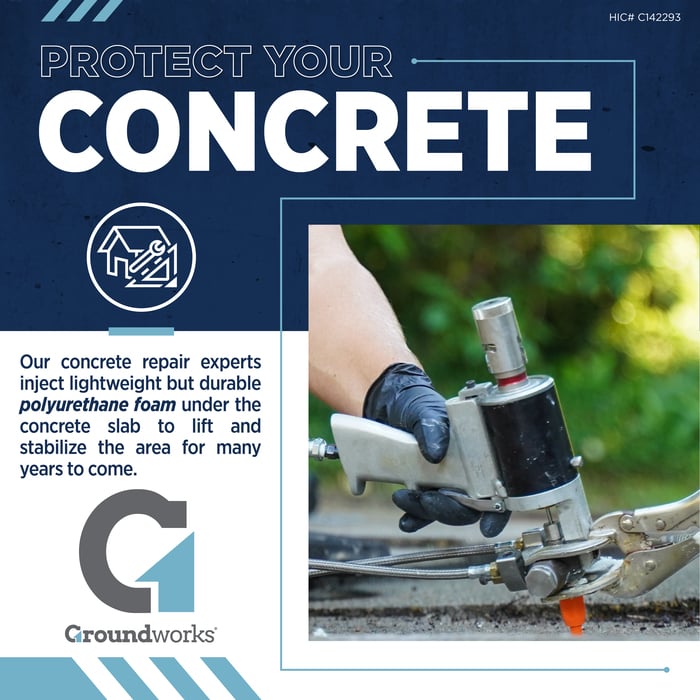
Protect Your Concrete

+16

94 neighbors recently requested a quote
Recommended by78%of homeowners

EE Homebuilders
New to Angi
Concrete - Injection Leveling - Mudjacking

Serving Abilene, KS and surrounding areas

In business since 1999

Dean Reinke of EE Homebuilders is one of the only Energy Star rated home builders in the area. What that means to you is not only the top value in the construction of your new home or remodel, but ensures that you will always get the most savings in the long run with your energy effiecient new home. Gauranteed savings up to 70% on heating and cooling bills.

Concrete Leveling questions, answered by experts

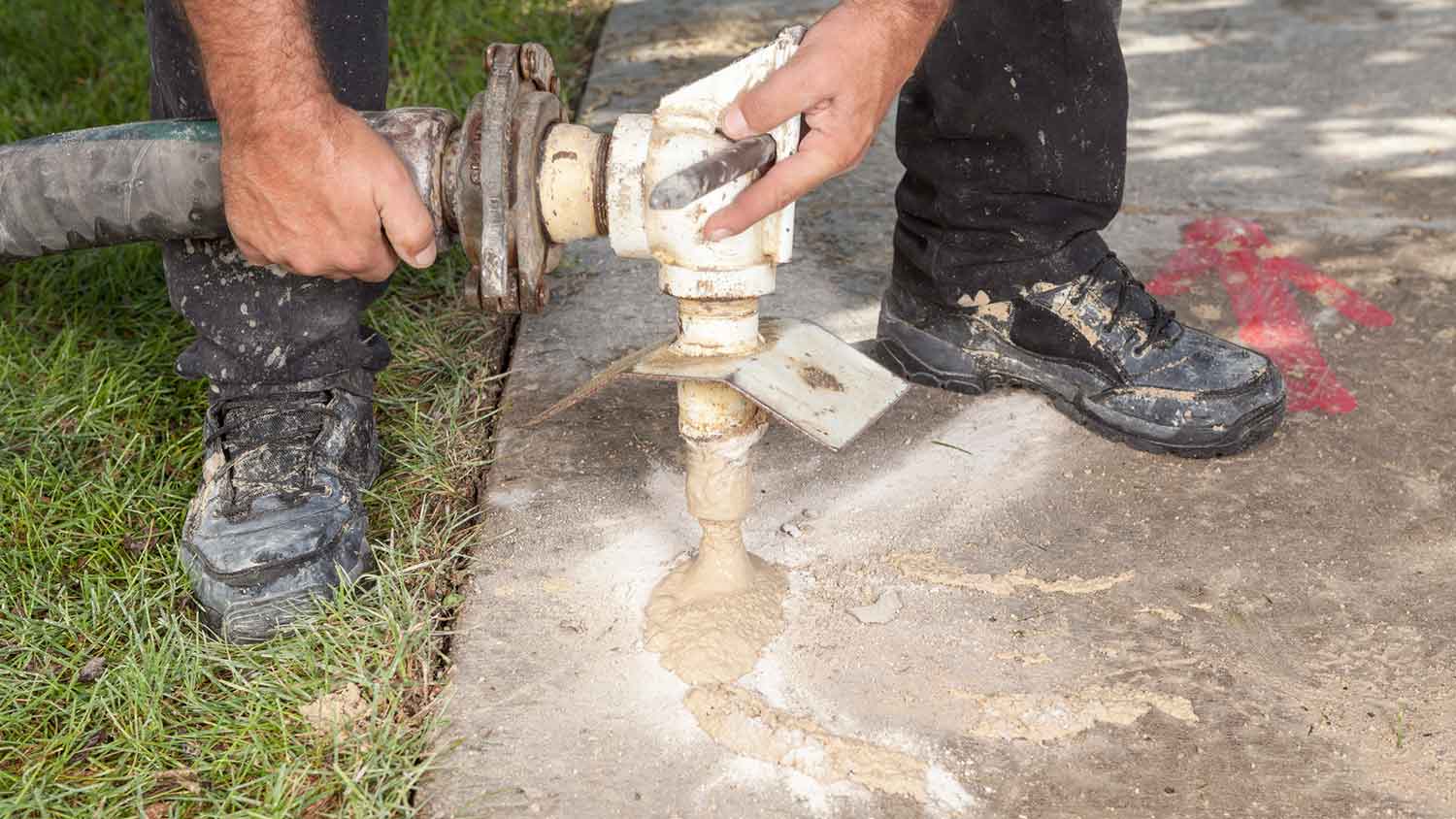
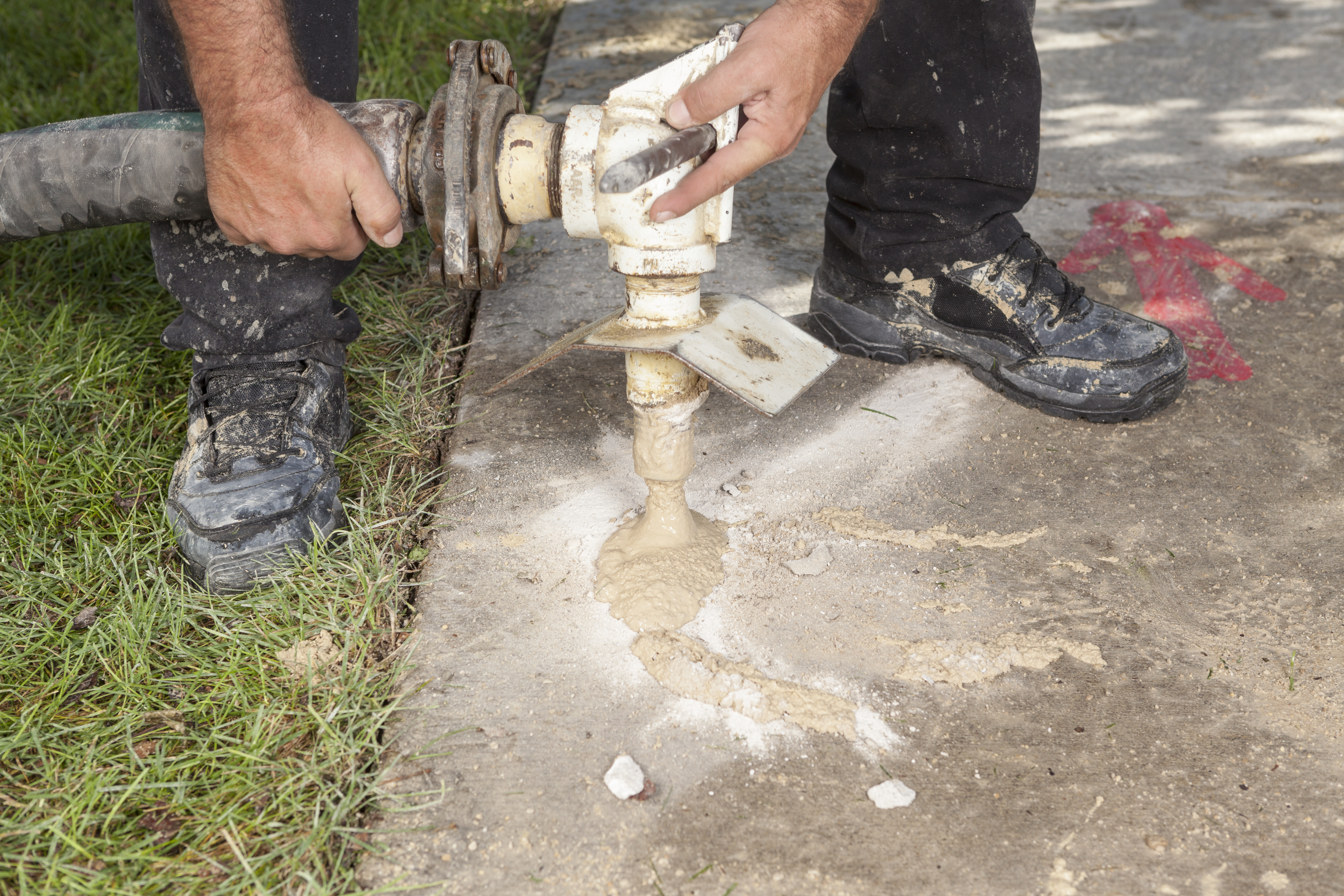
Mudjacking typically takes 24 to 72 hours (one to three days) to dry and cure completely before you can resume normal use. The total drying time can vary depending on the size of the project. Because the slurry mixture contains cement, it needs to harden fully to prevent the concrete slab from shifting under added weight. You should avoid walking on the concrete or placing heavy items like furniture or vehicles on the surface until it has fully set. Your concrete contractor can provide a precise timeline. As a point of comparison, if you opt for polyjacking, the polyurethane foam can dry in minutes, but it's recommended to wait about an hour before use.

Polyjacking and mudjacking can both be effective solutions for sinking concrete, but they have key differences. Polyjacking, which uses expanding polyurethane foam, is often considered a better option because the foam is significantly lighter than the cementitious material used for mudjacking. This reduced weight puts less pressure on the underlying soil and lowers the risk of future sinking. Polyjacking is suitable for any sinking concrete slab, while mudjacking is typically only recommended for non-structural concrete, such as sidewalks, patios, pool decks, and driveways. The primary drawback of polyjacking is its cost, which can be up to four times higher than mudjacking—as much as $25 per square foot compared to a maximum of about $6 per square foot for mudjacking.

Polyjacking can be a permanent solution to sunken concrete if you also address the underlying issue—like poor drainage—at the same time. The polyurethane material itself can last as long as or even outlast the concrete you’re lifting it with. Your sunken concrete issue will likely return if you don’t couple polyjacking with proper drainage to prevent future soil movement and sinking.

Pros often use mudjacking or polyurethane foam injection to level a sunken concrete patio. Both methods lift the slab by filling voids beneath it. After properly compacting the soil beneath it to prevent future settling, the concrete may need to be removed and re-poured for severe sinking.

Trenching and boring are two distinct methods for installing underground utilities. Trenching involves digging a channel using equipment like an excavator, trencher, backhoe, or shovel. While it is a simpler process, it causes significant disruption to the surface, landscaping, and surrounding ecosystems.

Boring, also known as directional boring, is a less invasive alternative that uses a drill to create a tunnel for utility lines without disturbing the surface. This method is more precise and is ideal for installations that need to go underneath buildings, roads, or bodies of water. Although boring is less disruptive, it is generally more expensive than trenching.

The Abilene, KS homeowners’ guide to concrete leveling services

From average costs to expert advice, get all the answers you need to get your job done.