


Top-rated bird control service pros.

Best bird control service pros near Notre Dame, IN

Enter your zip and get matched with up to 5 pros

Need a pro for your bird control service project in Notre Dame, IN?

Select your specific project to find the pro for you.

TRUSTED BY NOTRE DAME, IN HOMEOWNERS

  • Average homeowner rating star icon4.6
    Average homeowner rating
  • Verified reviews icon65
    Verified bird control services reviews

Top-Rated Bird control service pros in Notre Dame - Updated Nov 2026

Avatar for Anderson Pest Solutions
Anderson Pest Solutions
4.0(
49
)
Pest Control - Birds and Bats

Serving Notre Dame, IN and surrounding areas

In business since 1913

Free estimates

Credit card accepted

"I used them for mosquito control Weather has a major impact on scheduling, so it was hard to set firm dates for service. Always showed up once they were scheduled. Treatments provided significant, but not total relief from mosquito problem. Price was good compared to other services. Techs were always pleasant and professional."
Recommended by89%of homeowners
Bird Control FAQs, answered by experts

Some birds of prey, like owls, hunt at night. Hawks are diurnal and need good light to see their prey. You could see them circling anytime from dawn to dusk. Species like the common red-tailed hawk are most active in the early morning and late evening when their prey is also typically on the go.

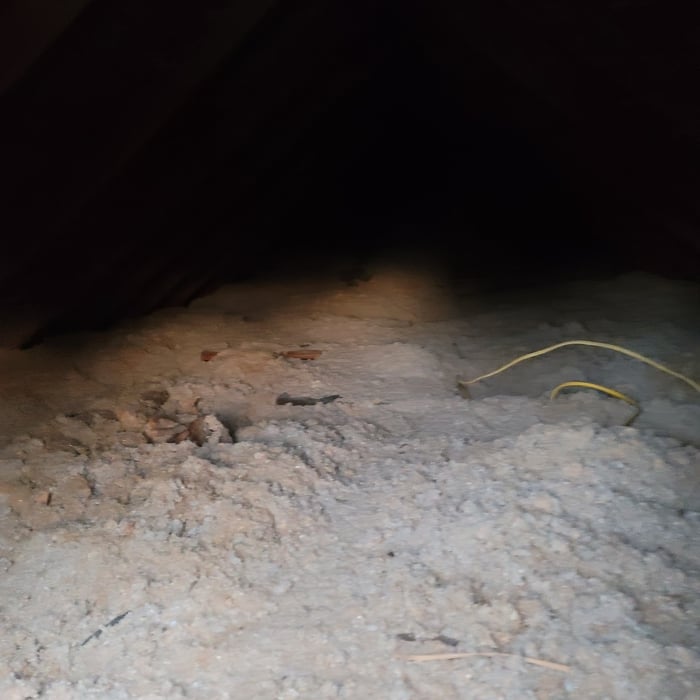
Chirping noises, droppings, scratches on the walls, and stains at entries and exits are all signs that you have bats in your house or, more specifically, your attic. Because bats are nocturnal, there’s a chance that bats have already infested your home before you start to see warning signs, so don’t delay if you notice anything. If you see a bat or two at sunrise or sunset near your property, that’s another telltale sign that they could be setting up shop inside your space.

Methods include exclusion devices, netting, and sealing entry points. Professionals ensure compliance with local wildlife regulations.

When woodpeckers start banging on your walls or roof, they are probably looking for insects to eat, storing nuts for winter, drilling a hole to make a nest, or communicating with other birds to establish territory or find a mate.

The size of the hole can help determine the reason for the pecking. Small irregular holes are a result of insect hunts. Acorn holes are more consistently sized and often fitted with a nut in the middle. Nest holes are large and have rounded edges. If the bird is pecking to mark its territory or attract a mate, it may leave dents rather than holes, and the noise will stop when the mating season starts in spring.

Signs include visible nests, droppings, frequent loud noises, or structural damage caused by these animals, indicating a need for pest control intervention.

The Notre Dame, IN homeowners’ guide to bird control services

From average costs to expert advice, get all the answers you need to get your job done.