



Top-rated bird control service pros.

Get matched with top bird control service pros in Wakarusa, IN

Enter your zip and get matched with up to 5 pros

Need a pro for your bird control service project in Wakarusa, IN?

Select your specific project to find the pro for you.

TRUSTED BY WAKARUSA, IN HOMEOWNERS

  • Average homeowner rating star icon4.5
    Average homeowner rating
  • Verified reviews icon51
    Verified bird control services reviews

Find Bird control service pros in Wakarusa

Avatar for Terminix® Pest Control
Terminix® Pest Control
4.1(
8
)
Pest Control - Birds and Bats - For Business

Serving Wakarusa, IN and surrounding areas

Approved

In business since 1927

Free estimates

Warranties offered

"Very knowledgeable guy who seem to know what he’s doing. Don’t know results of spraying. Have had much rain since. Will have to see if it worked. Terminex will spray again the beginning of next month."
My jobs
My jobs
My jobs
My jobs
My jobs

+2

71 neighbors recently requested a quote

Bird Control questions, answered by experts

Woodpeckers peck at the break of dawn and take a break whenever the sun is not shining. On sunny days, expect pecking from dawn to dusk. On cloudy days, expect sporadic pecking when the sun peeks through. These birds are most active in the spring; you’ll hear them drumming as soon as the weather turns warm. 

Yes, predator decoys work to keep birds away, at least temporarily. However, if the decoy remains motionless in the same spot for a long enough time, the birds will eventually wise up and realize it's a fake. Keep changing the location of the predator decoy to ensure that the birds keep their guard up and maintain their distance.

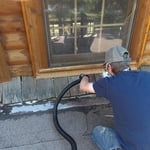
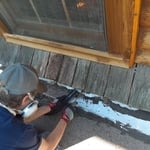
Bird and bat pest control involves assessing the site, installing deterrents, sealing entry points, and, in some cases, safely removing infestations following regulatory guidelines.

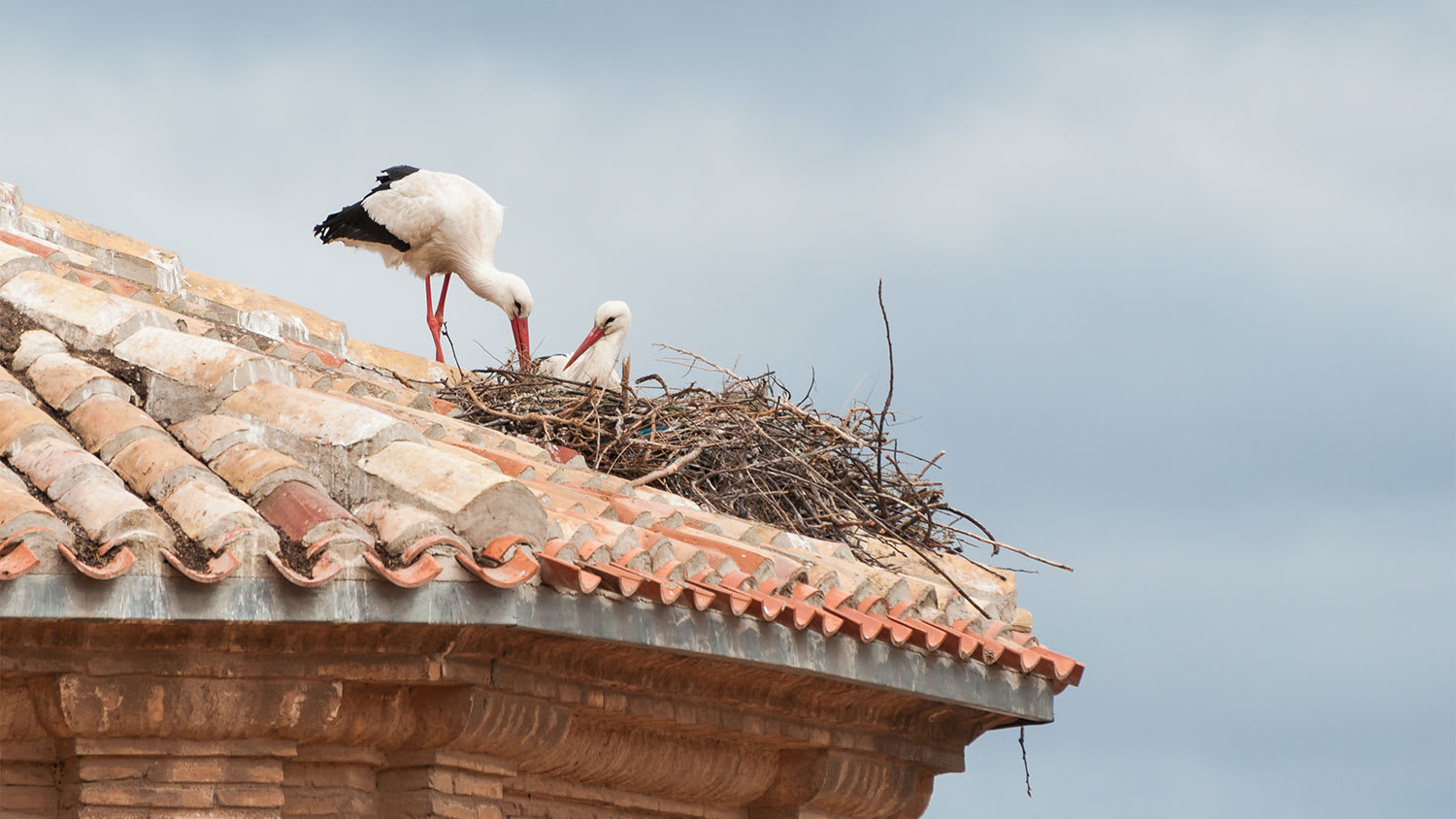
An owl's worst enemy in the wild is often other raptors and environmental factors. Among the avian threats, larger owls or other birds of prey can pose a danger, engaging in territorial disputes or competing for food resources. Terrestrial predators like foxes, raccoons, and larger mammals may target owl nests or young fledglings. Environmental factors like severe weather conditions, habitat loss, and food availability changes can also significantly impact owl populations.

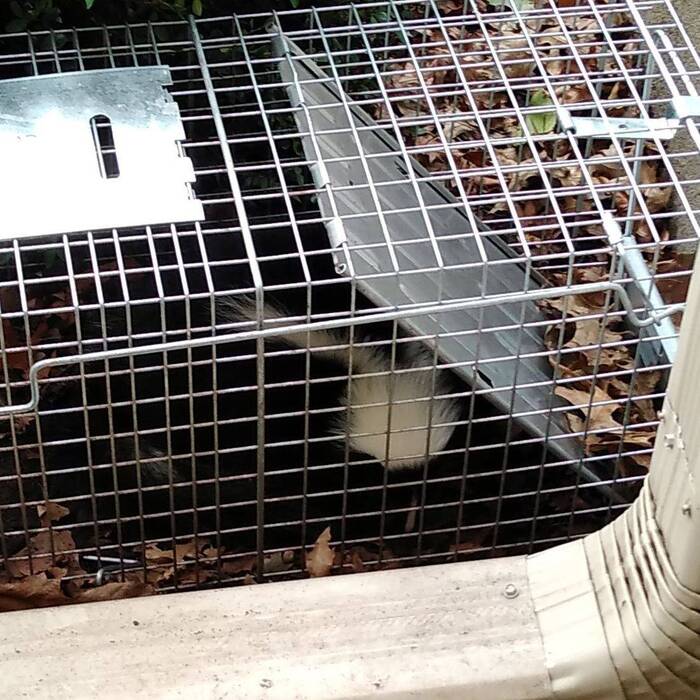
Numerous predators kill hornets, including frogs, birds, lizards, bats, spiders, and hedgehogs. Some larger predators, including rats, skunks, and racoons, will occasionally attack a hornet nest in order to eat the larvae inside. These natural predators typically don’t eat enough hornets to make them an effective form of hornet control. 

The Wakarusa, IN homeowners’ guide to bird control services

From average costs to expert advice, get all the answers you need to get your job done.