


Top-rated radon detection and reduction specialists.

Get matched with top radon detection and reduction specialists in Santa Claus, IN

Enter your zip and get matched with up to 5 pros

Need a pro for your radon detection and reduction project in Santa Claus, IN?

Select your specific project to find the pro for you.

Find Radon detection and reduction specialists in Santa Claus

Swat Group, Inc.
4.4(
152
)
Radon Gas - Abatement

Serving Santa Claus, IN and surrounding areas

In business since 1988

Free estimates

Credit card accepted

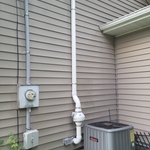
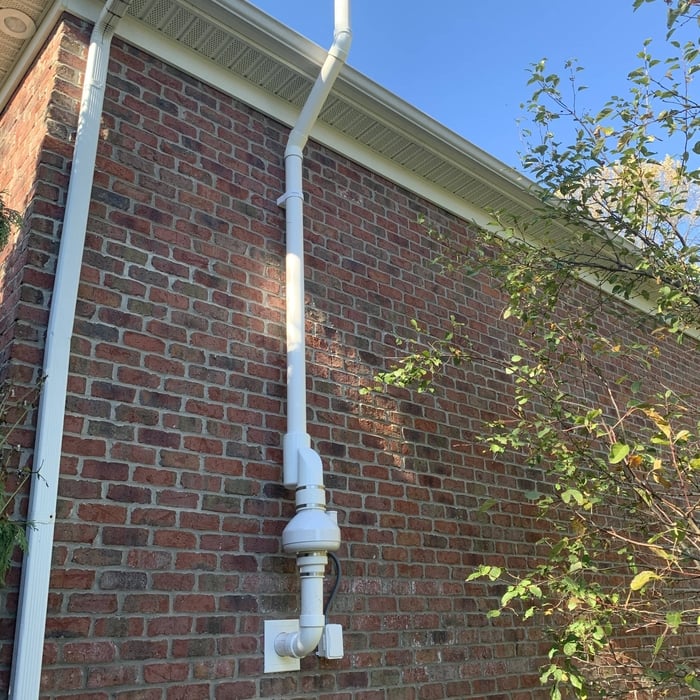
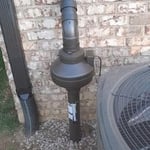
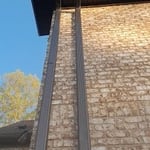
"Hired for the convienience of their timely ability to install a radon system. The vent on the outside of the house is a large diameter, circular chimney that is very unsightly. Prices were a bit higher than other companies, but their ability to install quickly took precedence. In SWATs defense, I did not inform the company of my displeasure as the system was being installed as a condition of sale."
Response time1 day
Recommended by94%of homeowners
Radon Detection and Reduction questions, answered by experts

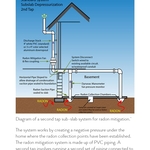
If high radon levels are detected, steps include sealing entry points, installing a mitigation system, and retesting the air regularly to ensure reduced levels.

You'll need to test your home for radon after installing the mitigation system, then again every two years. If radon remains elevated, contact a licensed radon professional, either the contractor who installed the system or a different one, and have them evaluate the system. They may need to make some changes to improve its effectiveness and performance.

You can vent radon out of your house sometimes by simply opening a window, but it won’t remove the source, and will likely rise above recommended levels quickly. A professional will be needed to assess your home, and determine the best strategy for radon removal. Active radon sump pumps and soil depressurization systems are often used to forcefully vent the radon from your home.

The natural breakdown of uranium in soil, rock, and water can cause radon to appear in a home. The gas seeps into homes through cracks in foundations, walls, or floors, as well as through gaps around pipes or construction joints. Radon levels are influenced by soil composition, building materials, and ventilation. Poorly sealed or airtight homes can trap radon, allowing it to accumulate.

Radon enters your home when warm air begins to rise and exits through the roof, creating a vacuum that pulls cooler air from under the foundation. Part of that air is radon, which is an invisible, odorless gas that develops naturally when radioactive particles are deep within the ground. Those particles usually come from decaying matter in soil and rocks.

The Santa Claus, IN homeowners’ guide to radon detection and reduction services

From average costs to expert advice, get all the answers you need to get your job done.