


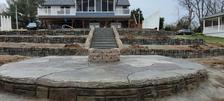



Top-rated fire pit installation pros.

Get matched with top fire pit installation pros in Leo, IN

Enter your zip and get matched with up to 5 pros

Need a pro for your fire pit installation project in Leo, IN?

Select your specific project to find the pro for you.

TRUSTED BY LEO, IN HOMEOWNERS

  • Average homeowner rating star icon4.3
    Average homeowner rating
  • Verified reviews icon279
    Verified fire pit installation services reviews

Find Fire pit installation pros in Leo

No results for Fire pit installation pro in

Try adjusting your search criteria.
Fire Pit Installation questions, answered by experts

Home insurance prices depend on where you live and the individual insurance company's policies. Some insurers charge a flat fee for fireplaces or wood-burning stoves, which is often a few hundred dollars per year. Other insurers base this fee on a percentage of your annual premium. You may want to check your current or prospective policy before beginning this project.

Yes, spider webs are flammable, taking them from minor household nuisance to something more dangerous. Silk boasts no built-in resistance to fire, though it takes an abundance of spider webs to actually catch fire and spread. A cobweb here and there poses no major fire safety risk, so it’s not a cause for concern.

While a hot fire can help heat up and loosen tar within your chimney, making it a recommended step before using a creosote log, it will not burn off significant existing buildup on its own. Attempting to remove built-up creosote with a hot fire is dangerous and can cause a chimney fire. For safe and effective removal of caked-on creosote, the best approach is to hire a professional chimney sweep.

A spark arrestor is a simple metal mesh device that prevents flammable particles from escaping from a combustion source and causing a fire. You typically find these attached to gas or diesel engines on things like cars, generators, and garden tools (lawnmowers, chainsaws, etc.). Fireplace or wood-burning stove chimneys also have spark arrestors attached to or sitting under the chimney cap to capture burning embers.

Start by checking the top or side edge of the door. Look for a certification label or metal tag stamped with details like the fire rating and information on the manufacturer. Even if it’s painted over, the tag should still be visible. Next, look along the edges for slim intumescent strips. They’re designed to swell up and seal gaps when exposed to heat. Finally, check if the door closes itself. Most fire doors have a self-closing mechanism, like an overhead closer or spring hinges. If none of these are obvious, contact a fire safety professional to help verify your door. 

The Leo, IN homeowners’ guide to fire pit installation services

From average costs to expert advice, get all the answers you need to get your job done.