






Get matched with top radon detection and reduction specialists in Lagrange, IN
Top-rated radon detection and reduction specialists.

Need a pro for your radon detection and reduction project in Lagrange, IN?

Select your specific project to find the pro for you.

Find Radon detection and reduction specialists in Lagrange

Avatar for Air Xray
Air Xray
3.3(
111
)

Serving Lagrange, IN and surrounding areas

Approved

In business since 2019

Free estimates

Warranties offered

"The Air Xray team installed a radon mitigation system at my home. I was so impressed with the care and professionalism of the team from start to finish. Every detail of the process was thoroughly explained and completed beyond my expectations. Highly recommend!"
CO2
CO
Solutions
Radon
Sick Building Syndrome

+6

Response time1 day
Response rate96%
99 neighbors recently requested a quote
Radon Detection and Reduction questions, answered by experts

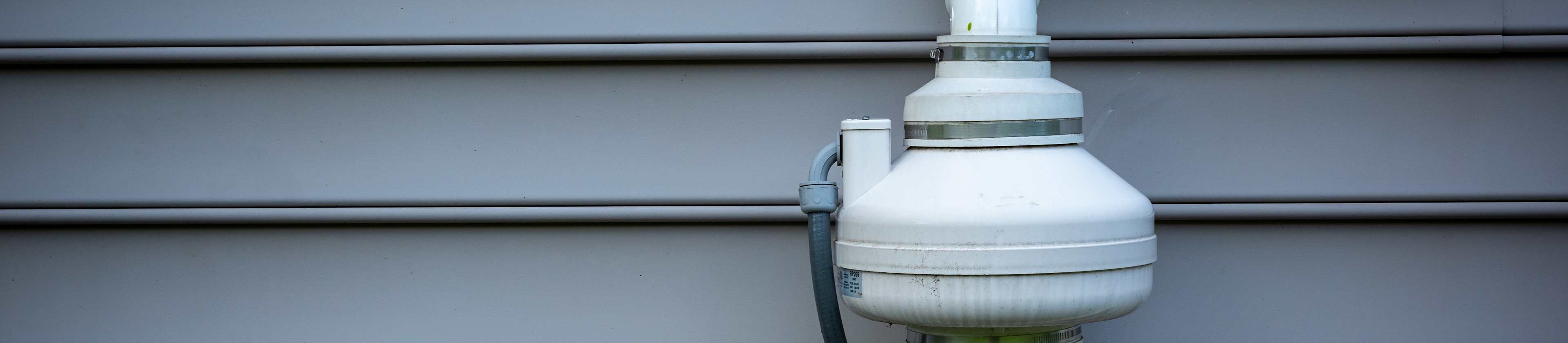
Your radon mitigation system may be loud because it’s time to replace it. Any sounds are usually from the inline fan that helps create the vacuum and resulting airflow. If you hear a new, loud mechanical or humming noise from your radon fan, it might be time to replace it. Most fans used in radon mitigation systems last up to 10 years, but may need to be replaced sooner.

You'll need to test your home for radon after installing the mitigation system, then again every two years. If radon remains elevated, contact a licensed radon professional, either the contractor who installed the system or a different one, and have them evaluate the system. They may need to make some changes to improve its effectiveness and performance.

Radon detection is crucial as prolonged exposure to radon gas, a leading cause of lung cancer, poses significant health risks in residential environments.

The fan that pulls the radon out of the air needs to run continuously, so you may see an increase in your electric bill once you install the mitigation system. Additionally, you may see an increase in your heating or cooling bills, as the fan can cause some loss of hot or cool air.

No level of radon is technically safe, but since it is present everywhere, complete avoidance is impossible. The average radon level in homes across the United States is 1.3 picocuries per liter (pCi/L). The Environmental Protection Agency (EPA) recommends taking preventative measures if your home's radon levels are between 2 and 4 pCi/L or higher.

The Lagrange, IN homeowners’ guide to radon detection and reduction services

From average costs to expert advice, get all the answers you need to get your job done.