





Top-rated pole barn builders.

Best pole barn builders near Geneva, IN

Enter your zip and get matched with up to 5 pros

Need a pro for your pole barn building project in Geneva, IN?

Select your specific project to find the pro for you.

Top-Rated Pole barn builders in Geneva - Updated Nov 2026

Avatar for DWC Restoration Inc
DWC Restoration Inc
4.4(
83
)
Shed, Barn or Playhouse - Repair

Serving Geneva, IN and surrounding areas

In business since 2007

Free estimates

Emergency services offered

"Cody did an awesome job. His crew and himself showed u to do the work that we needed repaired. They showed up on time and completed the job right away. Cody has excellent customer service and we will use him for jobs in the future."
Recommended by83%of homeowners
...
Showing 1-10 of 52
Pole Barn Builders FAQs, answered by experts

The lifespan of a barn is typically 40 to 60 years, but with skillful construction and proper maintenance, it can last up to 100 years. The actual lifespan depends on several factors, including the barn type, materials, usage, and climate. For example, the posts of a pole barn should last 50 years or longer, but if the structure is used for livestock in a rainy climate, it may rot within the first decade. Custom designs with high-end materials tend to last the longest. To get the best estimate for your barn's lifespan, you should consider its material type and intended use.

Pole barns and carports are similar in that they rely on posts for support and are often not connected to a primary structure. The main difference between the two is that pole barns usually include walls that surround the entire perimeter of the structure, while carports generally remain open on three or four sides. It’s possible to insulate garage doors and even exterior walls on pole barns to create a comfortable workspace, and it’s a bit more secure for storage purposes. However, carports are more affordable.

Common pitfalls include underestimating the cost of site preparation, overlooking permit and utility fees, and not setting aside funds for unexpected changes. Change orders during construction can disrupt your budget. It’s best to plan a detailed budget, obtain multiple quotes, and include a 10% to 15% contingency fund for unexpected expenses.

Tiny houses, often called tiny homes, need between 100 to 400 square feet, with the most common size being between 200 and 300 square feet. Tiny houses more than 400 square feet venture into apartment-size dwellings and may be considered more of a traditional house than a tiny home. The number of occupants, desired lifestyle, and furniture will all be major factors that determine the desired tiny house size.

The construction stage is almost always the longest part of building a house. Within this stage, framing often takes the most time, lasting anywhere from one week to a couple of months, depending on the home's size, the crew, and the time of year. Other parts of the construction phase include pouring the foundation and installing doors, windows, a roof, siding, drywall, and flooring. The planning and design phase can also be very time-consuming, sometimes taking months or even years, especially for a custom home. The final finishing process, which includes painting and installing trim, is typically shorter than the construction or planning stages.

The Geneva, IN homeowners’ guide to pole barn building services

From average costs to expert advice, get all the answers you need to get your job done.

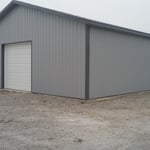
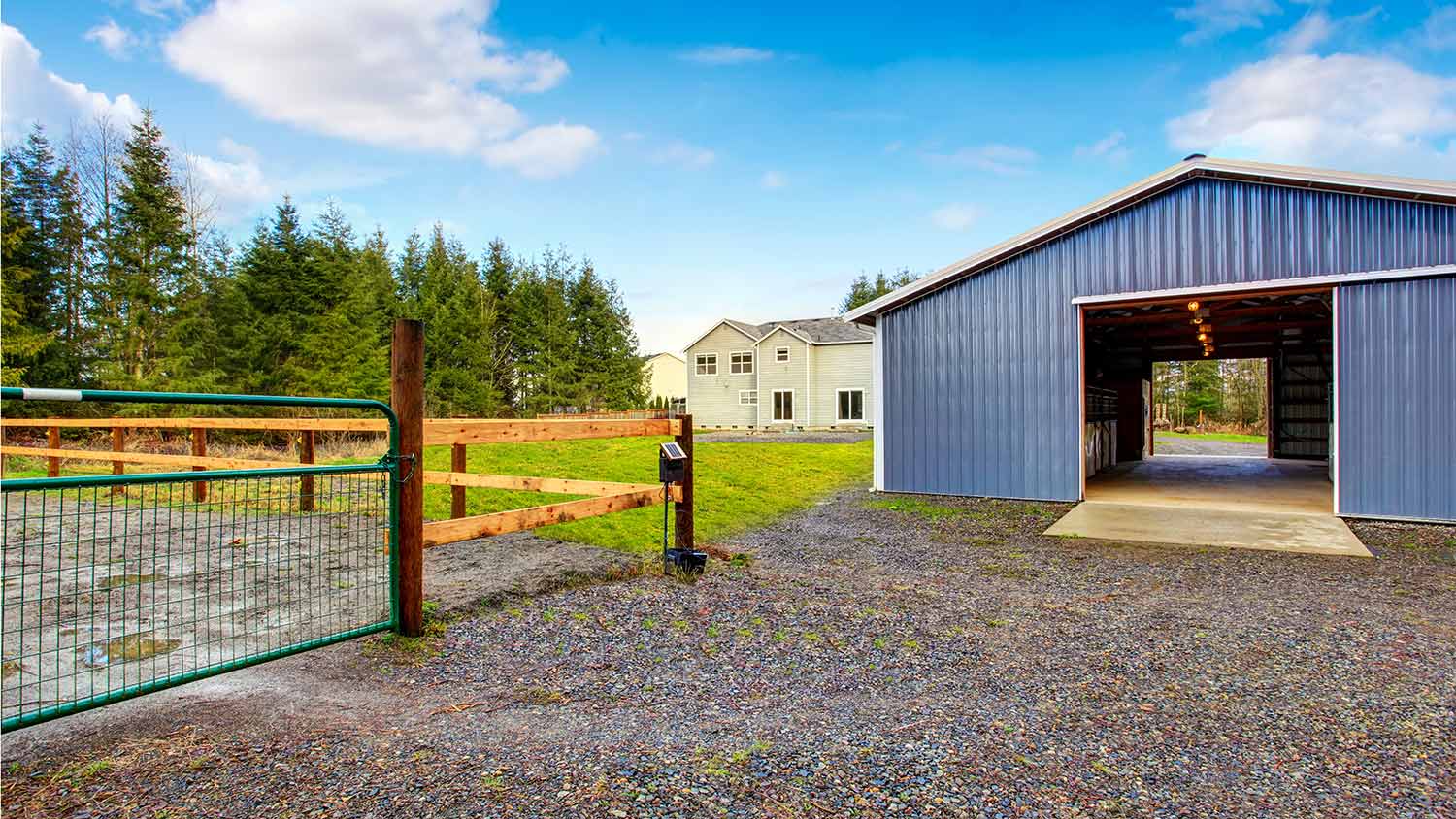
  • Farm blue barn shed and gravel driveway.
    •

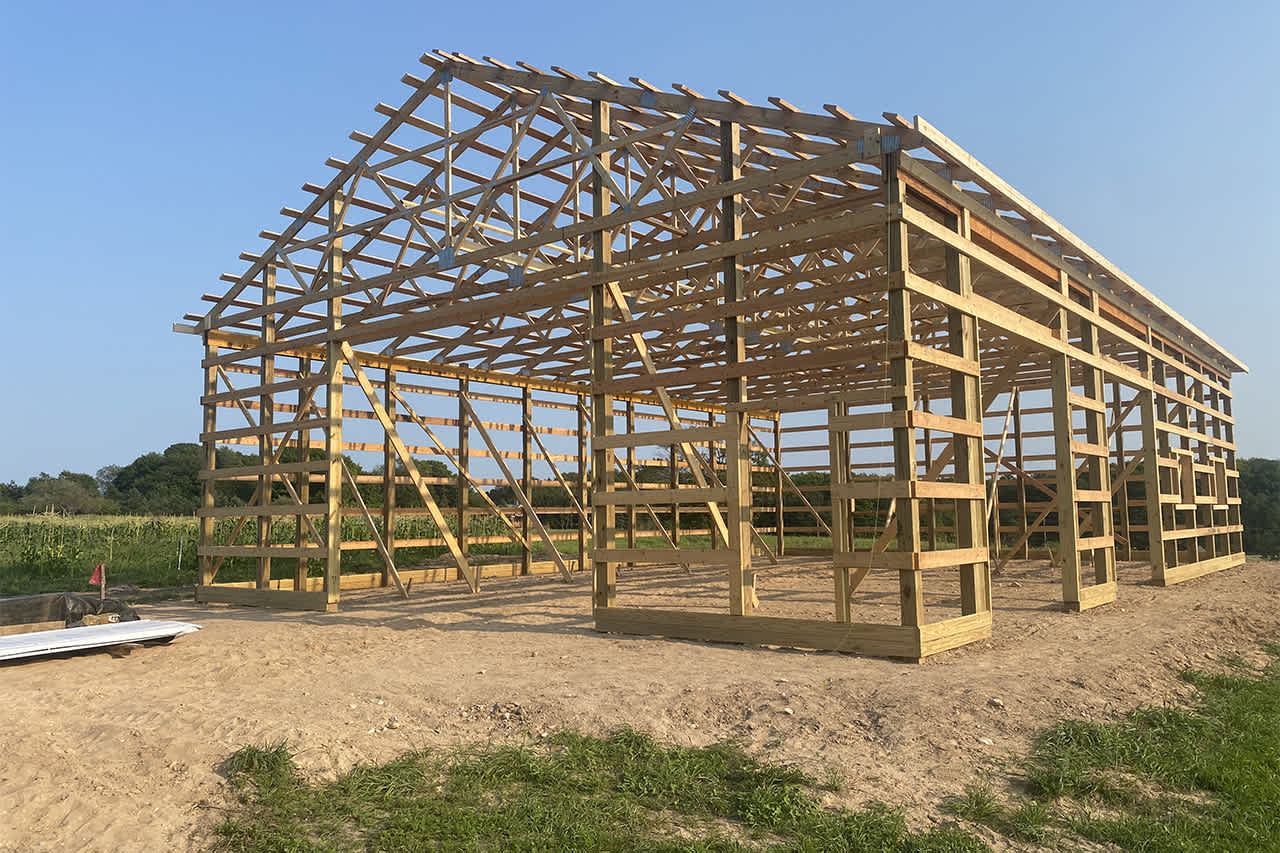
    If you’ve ever wondered what precisely a pole barn is, you’re about to find out. Not many know the advantages and disadvantages to the cost, construction style, and flexibility of building one on your own or hiring a contractor for the job.

  • framework of building a farm
    •

    Learn how to hire a barn builder with expert guidance on finding qualified pros, asking the right questions, and ensuring your barn project succeeds.