




Top-rated tree service pros.

Get matched with top tree service pros in Fremont, IN

Enter your zip and get matched with up to 5 pros

Need a pro for your tree service project in Fremont, IN?

Select your specific project to find the pro for you.

TRUSTED BY FREMONT, IN HOMEOWNERS

  • Average homeowner rating star icon4.4
    Average homeowner rating
  • Verified reviews icon118
    Verified tree services reviews

Find Tree service pros in Fremont

Avatar for The Guys Tree Service
The Guys Tree Service
5.0(
23
)

Serving Fremont, IN and surrounding areas

Approved

In business since 2023

Free estimates

Emergency services offered

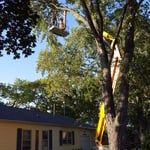
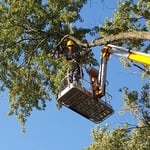
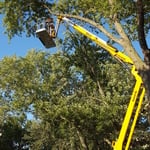
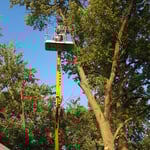
"The crew consisted of four staff members each one having their own role. They removed a large Maple tree very close to my house without any problems. Cleanup was excellent. I hired them to come back to trim another tree and remove a second tree."
Response time1 day
15 neighbors recently requested a quote
Recommended by85%of homeowners

Avatar for Mister Drywall Solution
Mister Drywall Solution
4.0(
2
)

Serving Fremont, IN and surrounding areas

Approved

In business since 2024

Free estimates

Small jobs welcome

"Had problems showing up on time. Had to put on vinyl siding but struggled to get it right. Had to repaint inside wall 3 times, had to re-mud twice. Tried really hard to do a good job and kept coming back until I was satisfied. Brought 3 year old son to the job (mother was present but would have gotten more done without having to watch him). Very pleasant and eager to please but not sure of their experience level."
Drywall
Drywall
Drywall
Drywall
Drywall

+5

4 neighbors recently requested a quote
...
Showing 1-10 of 53
Tree Service questions, answered by experts

Transplanting a palm tree is a similar process except for a couple of important differences. First, their root ball doesn’t need to be as large as a “true” tree, which makes them a bit easier to dig up and move around. Second, they struggle more with taking root and staying upright in a new location, so it’s important to give them extra support when staking. 

In most cases, you should not use a pruning seal on trees after trimming. Applying a sealant can interfere with the tree's natural healing process, and it does not guarantee protection from pathogens. Instead of sealing the cut, the best practice is to support the tree's natural recovery by providing it with plenty of water and a dormant-style fertilizer. However, there are exceptions. Pruning seals may be recommended for very vulnerable species, like elm trees, in areas where dangerous diseases such as Dutch elm disease are prevalent. In these specific situations, the protection offered by a sealant can outweigh its downsides. For advice tailored to your situation, especially after cutting large branches, it is best to consult a local tree trimming professional.

You can remove a small tree from your yard if there’s space for the tree to fall, you have the right tools and safety equipment, and you follow a clear plan of action. You’ll just want to follow the steps above carefully, and ideally, you will have experience doing similar tasks. If you have any doubts that you can do this project safely, though, you should hire a pro.

There are several methods to hollow out a tree stump, and the best one depends on your tools, experience, and priorities. Common methods include using a chisel and hammer, a chainsaw, or burning.

  • Chisel and Hammer: This is often considered the easiest approach for those with limited tools or experience, though it is the most time-consuming.

  • Chainsaw: Using a chainsaw is the fastest method, but it comes with significant safety risks, especially for inexperienced users.

  • Burning: This can be an effective method, but it is not recommended unless you can first drill holes into the stump. Without holes, the stump will be difficult to light and may not burn completely through.

A power drill with at least a ⅜-inch diameter bit can make the job quicker and easier, regardless of the primary method. While you can use a chisel or chainsaw without a drill, it will require more time and effort. Always wear protective goggles and thick gloves, as splinters are an inevitable risk.

There are a few differences between tree guying and tree staking. Tree guying requires anchor stakes that are shorter and stronger than regular stakes and are driven deeper into the ground at an angle away from the tree. Tree staking uses longer stakes that are set parallel to the tree and are used for smaller trees. Consult a local tree professional to determine which method is best for your tree.

The Fremont, IN homeowners’ guide to tree services

From average costs to expert advice, get all the answers you need to get your job done.