

Top-rated drywall insulation pros.

Get matched with top drywall insulation pros in Fort Wayne, IN

Enter your zip and get matched with up to 5 pros

Need a pro for your drywall insulation project in Fort Wayne, IN?

Select your specific project to find the pro for you.

TRUSTED BY FORT WAYNE, IN HOMEOWNERS

  • Average homeowner rating star icon4.7
    Average homeowner rating
  • Verified reviews icon133
    Verified drywall insulation services reviews

Find Drywall insulation pros in Fort Wayne

Avatar for USA Insulation of Northern Indiana
USA Insulation of Northern Indiana
4.5(
20
)
Blown-In Insulation - Install or UpgradeInjection Insulation - Install

Serving Fort Wayne, IN and surrounding areas

Approved

In business since 1977

Free estimates

Customers say: Quick response

"Great work, very personable, professional, courteous, and reasonably priced. Received blow in insulation for garage and entire attic in house… they hammered it out, did a quality job, and work very hard."
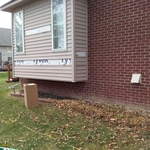
Brick/ Alum. Wall Install
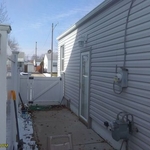
Vinyl Sided Walls
Vinyl Sided Walls
Vinyl Sided Walls

+33

Response time1 day
Response rate100%
35 neighbors recently requested a quote
Avatar for Home Energy Pros
Home Energy Pros
5.0(
15
)
Blown-In Insulation - Install or UpgradeInsulation - Install or Upgrade

Serving Fort Wayne, IN and surrounding areas

Approved

Super Service Award Winner

In business since 2025

Free estimates

Warranties offered

"I had the multi-layer insulation and solar attic ventilation system installed. The installers, Darrick and Chase, were very nice and professional. The work they did looked professional. I would recommend this company."
Response time4 days
Response rate98%
30 neighbors recently requested a quote
Avatar for Kokomo Spray Foam LLC
Kokomo Spray Foam LLC
5.0(
5
)
Blown-In Insulation - Install or Upgrade

Serving Fort Wayne, IN and surrounding areas

Approved

In business since 2022

Free estimates

Emergency services offered

We pride our company on reliability, great communication, integrity, and quality work. We are experts in our trade and will do our best to keep you as educated as we can on your particular task or project. We look forward to earning your business!\n

58 neighbors recently requested a quote
Sealed Tight Insulation LLC
5.0(
3
)
Injection Insulation - Install

Serving Fort Wayne, IN and surrounding areas

In business since 2022

Free estimates

Credit card accepted

We take great pride in our experience, expertise, quality, and customer service that we provide to meet the consumer's needs. It is our mission to provide excellent workmanship and complete customer satisfaction from start to completion of a project. In order to understand the needs and expectations of our customers, we take great care to work and communicate with every customer in a professional manner. Our reputation is based on service, safety, and quality, regardless of how large or small the job.

Response time6 hrs
Recommended by100%of homeowners
Showing 1-10 of 32
Drywall Insulation questions, answered by experts

Although they have similar applications, spackle and joint compound are not the same. Their primary differences lie in their composition, consistency, and ideal use cases.

Spackle is composed of gypsum and binding agents, making it thicker than joint compound. It dries quickly and is easy to sand, which makes it ideal for small wall repair projects like filling nail holes or patching minor damage.

Joint compound, also known as drywall mud, consists of limestone and gypsum. It is primarily used for large-scale projects, such as taping and finishing the seams on newly installed drywall. It tends to shrink more than spackle and can be more difficult to spread.

While both products can be used to fill small depressions and cracks, spackle cannot replace joint compound for taping and mudding new drywall. Conversely, you can often use joint compound for small patching jobs typically done with spackle.

You can repair plaster ceilings yourself after the cause of the ceiling damage has been addressed. However, the repair can easily take 5 hours and can be slightly challenging for those without previous experience. If you do decide to flex your DIY muscle, have a helper to help hold the ladder and pass you the tools for safety purposes.

All plaster walls will crack over time due to normal house settling and expansion and contraction from temperature and moisture changes. Small, thin hairline cracks are generally not serious and are mostly a cosmetic issue. However, larger or more significant cracks can indicate structural problems.

Here's how to tell the difference:

  • Cosmetic Cracks: Cracks that are 0.5 cm (0.2 inches) or thinner are typically cosmetic.

  • Structural Cracks: Cracks wider than 0.5 cm, excessive or deep cracks, multiple cracks in the same area, or cracks that span around corners can signify a structural or foundation issue. Cracks along the joints where walls meet the ceiling also warrant attention.

For cracks wider than 0.5 cm, structural repair is needed. If a crack is 2.5 cm (1 inch) or wider, or if you notice any signs of a structural problem, it is best to contact a plaster repair professional to assess the damage.

Which style of corner bead you choose—whether metal or paper-faced—depends on your preference and if you’re comfortable using metal-cutting tools and a hammer. Metal bead offers superior strength and durability but its installation is slightly more involved. We’d say for most cases, it’s better to use metal bead but if you’re not comfortable working with metal, paper-faced bead will work just fine. 

Glass walls are more expensive overall than their brick or drywall counterparts. However, if you need walls for a building with more than two or three stories, glass walls are the more budget-friendly option.

The Fort Wayne, IN homeowners’ guide to drywall insulation services

From average costs to expert advice, get all the answers you need to get your job done.