
Top-rated asphalt driveway pros.

Best asphalt driveway pros near Darlington, IN

Enter your zip and get matched with up to 5 pros

Need a pro for your asphalt driveway service project in Darlington, IN?

Select your specific project to find the pro for you.

Top-Rated Asphalt driveway pros in Darlington - Updated Nov 2026

...
Showing 1-10 of 156
Asphalt Driveways FAQs, answered by experts

You can expect your asphalt pavement to last anywhere from 20 to 30 years, or 25 years on average. The life expectancy of your asphalt driveway depends on the climate, the amount of traffic, and how well you maintain it. While you can’t necessarily control some of these factors, you can control the amount of maintenance effort you put into your driveway. 

To prevent your asphalt from deteriorating prematurely, you should follow a good maintenance routine involving regular cleaning, reparation work, and resealing.

This creates a risk for your driveway to fail after asphalt curing because it doesn't have a lasting bond with the surface. In order to get asphalt to perform as intended, it's necessary to prepare the dirt surface correctly first. The loose soil base under the new driveway must be compacted until it is stable enough to support the weight of the asphalt.

A driveway's lifespan varies by material. Asphalt driveways typically last 15 to 30 years, while concrete driveways last longer, between 20 and 50 years. The longevity of any driveway is affected by factors like extreme temperatures, heavy traffic, and the quality of maintenance. Regular upkeep, such as filling cracks, resealing the surface, and ensuring proper drainage, can help extend its life. For gravel driveways, regrading to fill in uneven areas every year or two is recommended.

Wet cutting is usually the preferred method. It controls dust, which helps protect your lungs and makes for a cleaner working environment. Plus, the water cools the blade, preventing overheating and prolonging its life while providing smoother, more precise cuts. The downside is the mess—water and asphalt sludge can be messy to clean. Dry cutting, though convenient if water isn’t available, creates a lot of dust, which can be harmful. This also increases the risk of blade damage due to overheating. So, if you have the option, wet cutting is the better method for most asphalt jobs.

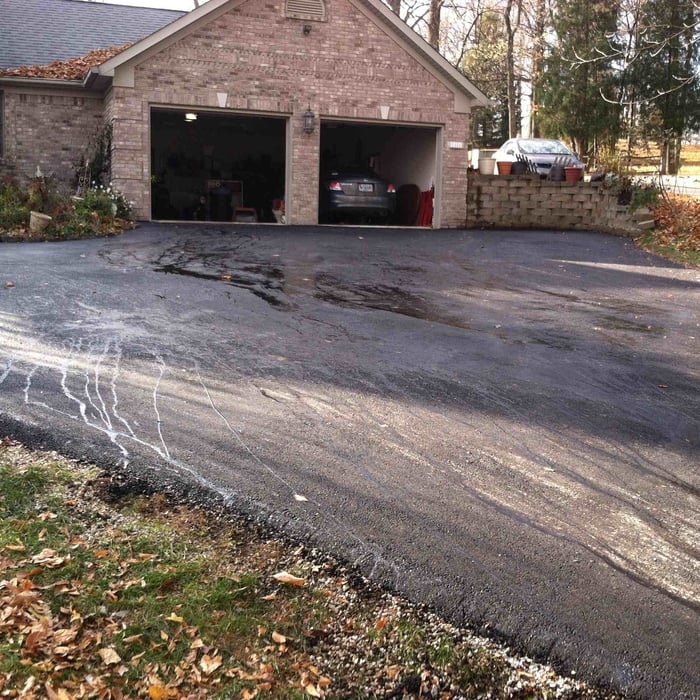
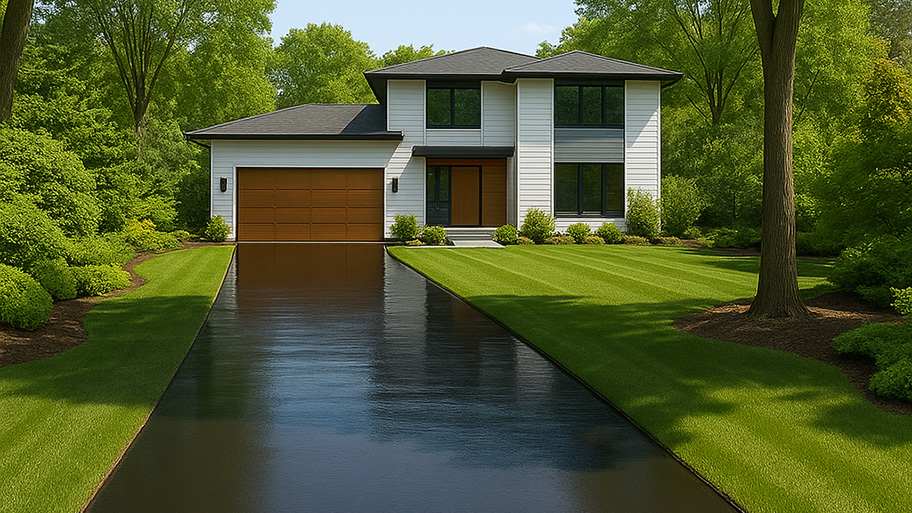
When asphalt cures, it typically changes from a very dark black hue to a lighter, more matte gray color. Cured asphalt also won’t be tacky or sticky to the touch or emit any odors from the asphalt mix. Additionally, the surface of fully cured asphalt won’t deform under any pressure.

The Darlington, IN homeowners’ guide to asphalt driveway services

From average costs to expert advice, get all the answers you need to get your job done.