




Top-rated fireplace pros.

Get matched with top fireplace pros in Cromwell, IN

Enter your zip and get matched with up to 5 pros

Need a pro for your fireplace service project in Cromwell, IN?

Select your specific project to find the pro for you.

Find Fireplace pros in Cromwell

Avatar for Chimneys R Us, LLC
Chimneys R Us, LLC
4.0(
35
)
Clean and Inspect a wood fireplace chimneyBrick or Stone Fireplace (Non-Gas) - RepairClean and Inspect a gas fireplace+7 more

Serving Cromwell, IN and surrounding areas

Approved

In business since 2017

Free estimates

Emergency services offered

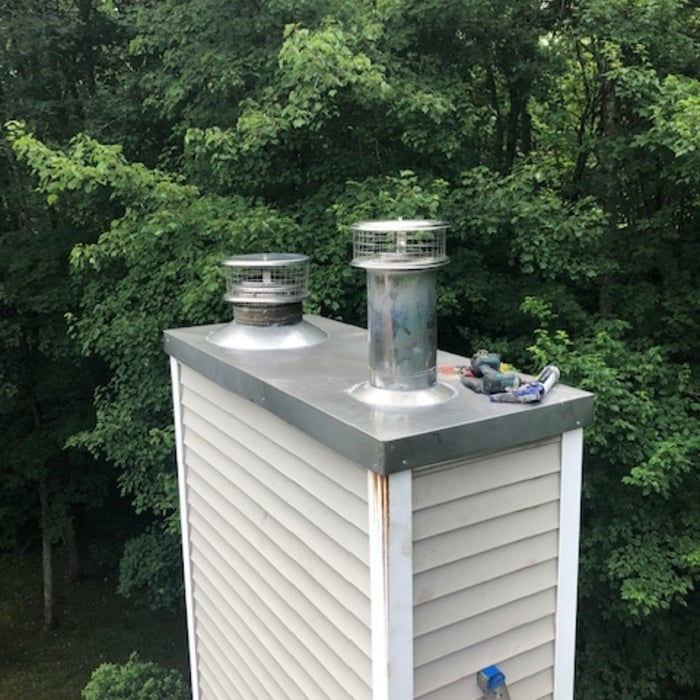
"The workers and office staff were easy to talk to, well informed, courteous , and efficient. They performed a thorough inspection. Recommended and installed a stainless liner and cap for the furnace flue and a new damper on the fireplace flue. Their price was better than previous quotes and even set up a partial payment plan. I am very pleased with the work they did."
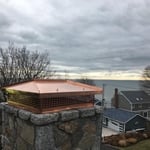
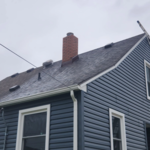
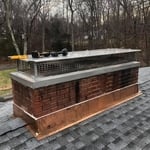
COPPER CAP
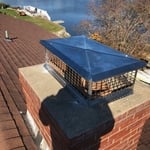
CUSTOM CAP
CUSTOM CAP
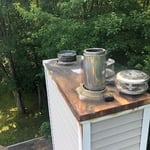
OLD CHASE COVER
NEW CHASE COVER

+9

Response time1 hour
Response rate99%
1 neighbors recently requested a quote
Showing 1-10 of 32
Fireplaces questions, answered by experts

A chimney cap costs about $300 on average to install, with prices ranging from $75 to $1,000. The final cost depends on several factors, including the professional you hire, the accessibility of your chimney, the cap's material and size, whether any repairs are needed, and if it requires custom fabrication. Chimney caps are usually made from galvanized steel, stainless steel, or copper. Copper caps are the most expensive, followed by stainless steel and then galvanized steel. Excluding labor, average material costs are around $100 for galvanized steel, $250 for stainless steel, and $600 for copper. You may also face additional costs, such as hiring a chimney sweep to clean the chimney before the cap is installed.

Pellet stoves are designed to run for several hours at a time. Running them for an entire day is not uncommon. More advanced models can run continuously for up to 48 hours, making them ideal if you live in extremely cold conditions and don't want to keep refueling the stove.

Common issues discovered during a chimney inspection or cleaning include creosote buildup, cracked liners, structural degeneration or masonry degradation, and obstructions such as blocked flues or animal nests. These issues are potential safety hazards that can lead to combustion problems or poor air quality if not addressed.
The best time to clean your chimney is before you need to use it, which for most people is during the spring, summer, or early fall. Spring and summer are often ideal because the chimney is not in use, and chimney sweeps can access the roof more easily without snow and ice. The warmer months are also better for making any necessary repairs. To avoid the rush when chimney sweeps get booked up in early spring and late fall, scheduling your cleaning for the summer can be a safe bet. It's recommended to book your annual chimney sweep during these warmer months to maintain a yearly schedule.

The main difference between an outdoor wood furnace versus an outdoor wood boiler is what each appliance is heating. An outdoor wood furnace burns wood to create heat, which warms the air and moves it through the ducts in your home. An outdoor wood boiler uses the heat from burning wood to warm water, which goes through pipes to radiators in the home.

The Cromwell, IN homeowners’ guide to fireplace services

From average costs to expert advice, get all the answers you need to get your job done.