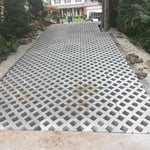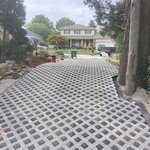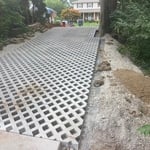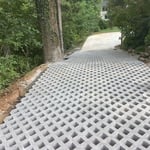





Top-rated paving pros.

Get matched with top paving pros in Corydon, IN

Enter your zip and get matched with up to 5 pros

Need a pro for your paving service project in Corydon, IN?

Select your specific project to find the pro for you.

Find Paving pros in Corydon

Avatar for Earth Care Lawn and Landscape
Earth Care Lawn and Landscape
5.0(
1
)
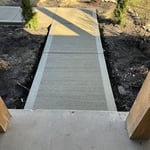
Gravel or Loose Fill Paving - Install, Spread or ScrapeInterlocking Pavers for Patios, Walks & Steps - Install

Serving Corydon, IN and surrounding areas

Approved

In business since 2010

Customers say: True professional

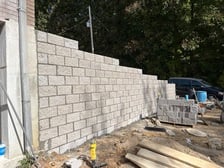
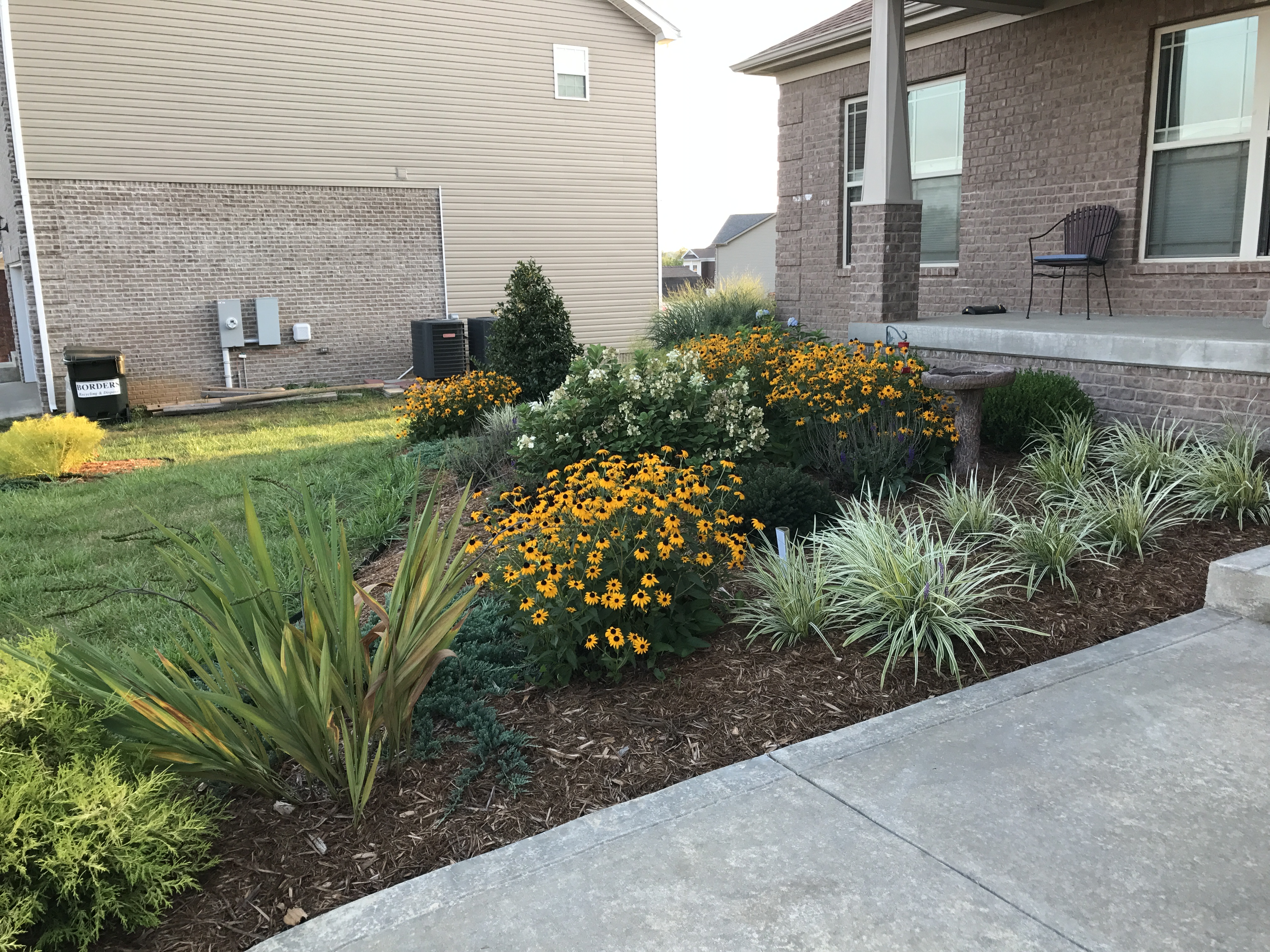
Design -Build-Enjoy \nFull outdoor living contractor \nLandscape Construction \nHardscapes paver concrete retaining walls\nFinish grading\nDrainage contractor\nWe guarantee your satisfaction, and we won't leave until the job is done right. We pride ourselves on the quality work we provide, while delivering great customer service! Call or\nclick for your FREE estimate today!\n

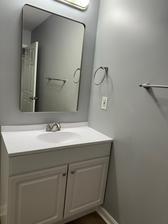
Backyard theater/fire pit
Chenoweth Lane
Clifton heights
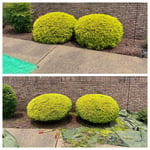
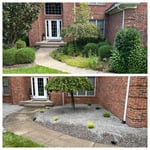
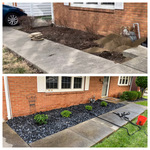
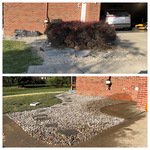
Before / After
Summers cabin

+138

5 neighbors recently requested a quote
Recommended by100%of homeowners
Avatar for Just In Time Masonry
Just In Time Masonry
5.0(
5
)
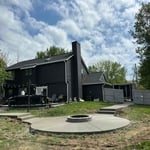
Interlocking Pavers for Patios, Walks & Steps - Install

Serving Corydon, IN and surrounding areas

Approved

In business since 2020

Free estimates

Warranties offered

"Just In Time was great to work with! Had a clear initial conversation, they came out and reviewed the job site, arrived fully prepared and did a great job blocking up a 1 car garage on my foundation footer! Would definitely recommend and hire for future masonry jobs!"
Response time3 hrs
Response rate86%
19 neighbors recently requested a quote
...
Showing 1-10 of 51
Paving Services questions, answered by experts

In most cases, you don’t need a permit to repave your driveway, although some exceptions exist. If you’re widening your driveway and plan on widening the apron as well, you’ll usually need a permit from the Department of Transportation in your area. This permit costs between $50 and $300 in most cases. Most municipalities will also require a certified and insured contractor do the work relating to the apron and curb cut. You can contact your building department or ask your paving company if you need a permit. Your driveway professional will usually pull the permit for you.

The ideal distance between stepping stones depends on your design preference. A general rule is to place them about 24 inches apart from center to center to match an average person's stride. Another common approach is to leave about 6 inches of space between the edges of each stone; this can be adjusted to fit the path's total length without cutting pavers. If you plan to plant between the stones, leave at least 6 to 8 inches of space to give the plants room to grow.

The dimensions of a driveway apron vary based on local building codes, the width of your driveway, and the distance between the driveway and the road. On average, aprons range from 12 to 24 feet wide and 8 to 18 feet long. Typically, the end of the apron connected to the driveway matches its width—such as 10 to 12 feet for a single-car driveway—while the end at the street flares out to allow cars to turn in and out more easily. In some areas, you may not be responsible for the portion of the apron that extends beyond the sidewalk, but this depends on local laws.

Building a road on a slope requires careful planning and will normally require a drainage system underneath to prevent flooding and damage to the road over time. Your professional may lengthen your road to create switchbacks if the slope directly to your home is too steep, as there are regulations for maximum road slope. The drainage system will help prevent runoff from the higher side of the slope from damaging the asphalt or concrete. Keep in mind that building a road on a slope isn’t a good DIY project, as a lot can go wrong.
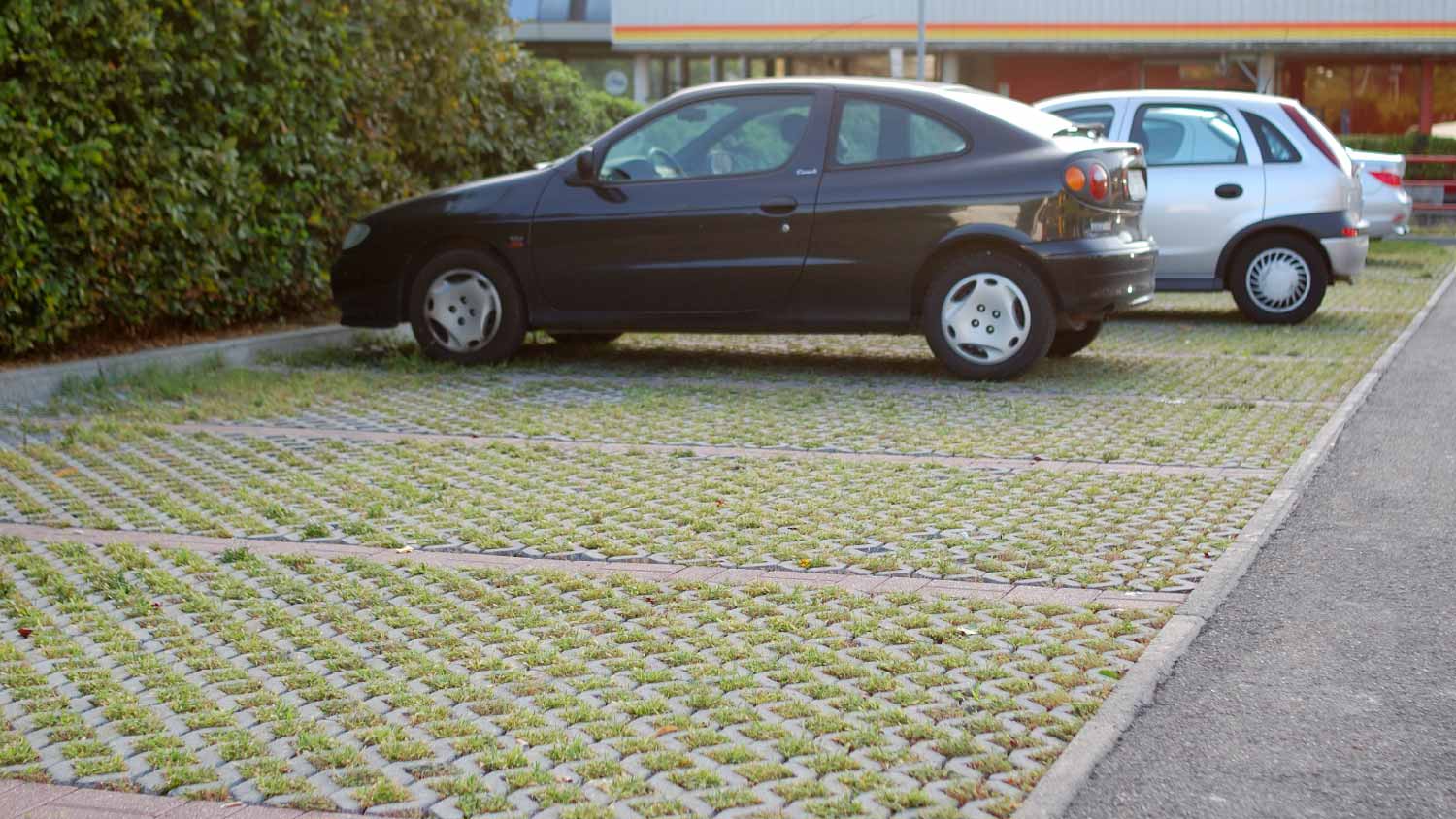
While blacktop is a type of asphalt, the terms should not be used interchangeably, as not all asphalt qualifies as blacktop. The primary differences are in their composition, production process, and ideal applications. Blacktop contains more stone than other types of asphalt and is heated to a higher temperature during production—300°F or more—while hot-mix asphalt is heated to between 275°F and 300°F. The ratio of bitumen (a tar-like crude oil) is a key differentiator, though sources vary: some state blacktop has less bitumen, making it less durable, while others claim it has a higher ratio. Due to these differences, asphalt is generally more durable and better for high-traffic areas like highways and streets, while blacktop is more suitable for playgrounds and residential driveways. For a driveway project, it is best to consult a professional to determine the most appropriate material.

The Corydon, IN homeowners’ guide to paving services

From average costs to expert advice, get all the answers you need to get your job done.