



Top-rated landscapers.

Get matched with top landscapers in Corydon, IN

Enter your zip and get matched with up to 5 pros

Need a pro for your landscaping project in Corydon, IN?

Select your specific project to find the pro for you.

TRUSTED BY CORYDON, IN HOMEOWNERS

  • Average homeowner rating star icon4.3
    Average homeowner rating
  • Verified reviews icon24
    Verified landscaping services reviews

Find Landscapers in Corydon

Avatar for Two Brothers Landscaping Solutions
Two Brothers Landscaping Solutions
4.9(
18
)
Lawn & Yard Waste Clean Up

Serving Corydon, IN and surrounding areas

Approved

In business since 2023

Free estimates

Emergency services offered

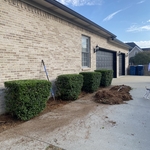
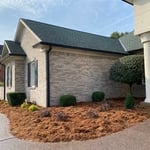
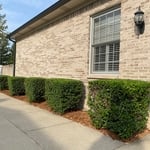
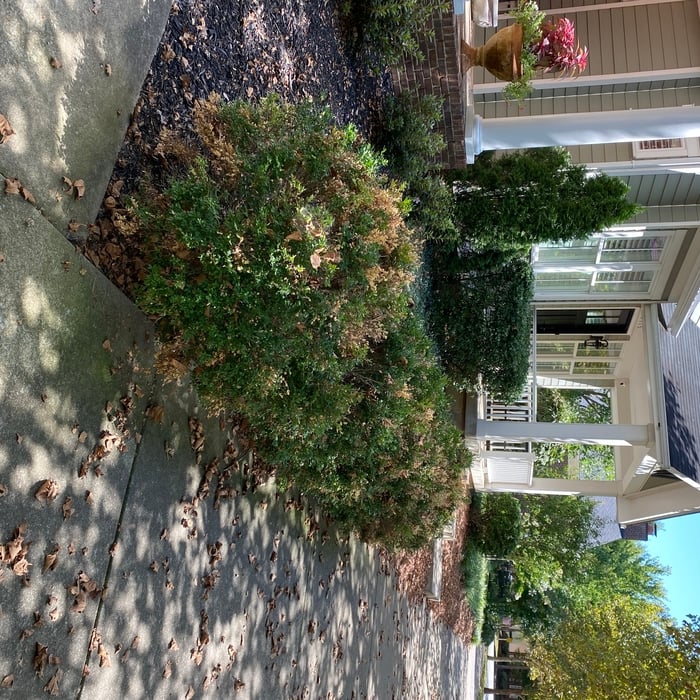
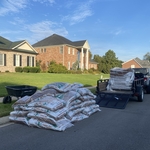
"These guys were able to come out the day after I called them and got our yard looking just the way we wanted. 10+ big bags of leaves in about an hour. Will probably use them again next year and for any other landscaping needs"
Mulch
Mulch removal
Fall Preperation
Fall Preperation
Dead Boxwoods

+14

Response time7 hrs
Response rate99%
70 neighbors recently requested a quote
...
Showing 1-10 of 223
Landscaping questions, answered by experts

Plant privet hedges at least 1 foot apart in a trench about 2 feet wide and 2 feet deep. It’s important to space privet hedges relatively far apart due to how quickly they grow to significant sizes and heights. You don’t want to crowd privet plants, or they could overcrowd each other, causing unwanted damage.

While you can leave roots in the ground, if you don’t want the shrub to regrow again over time, it’s best not to leave any roots behind. Ensure you remove as much of the shrub as possible, including the root ball and any main roots you can see, to prevent new growth. Some gardeners opt for using a chemical treatment to prevent the stump from growing back, but this can kill beneficial microorganisms living in your soil.

You should plant trees at least 15 to 20 feet away from your house, and more if the tree will grow large and spread its limbs. Trees pose several dangers to houses when planted too close. They can litter the roof with leaves and branches, create fire hazards, make a ladder for larger pests, and even damage the foundation as their roots grow.

As much as you might try to keep a healthy, nutrient-rich lawn, you still may notice signs of St. Augustine decline (SAD)—a viral disease that discolors your grass blades. St. Augustine decline looks like:

  • Discoloration in the leaves (chlorosis)—leaves appear yellow and splotchy

  • Decline in growth

  • Leaves turn black within 3 years

  • Grass appears less vibrant

  • Grass begins to thin

  • Root rot

  • Grass takes longer to recover

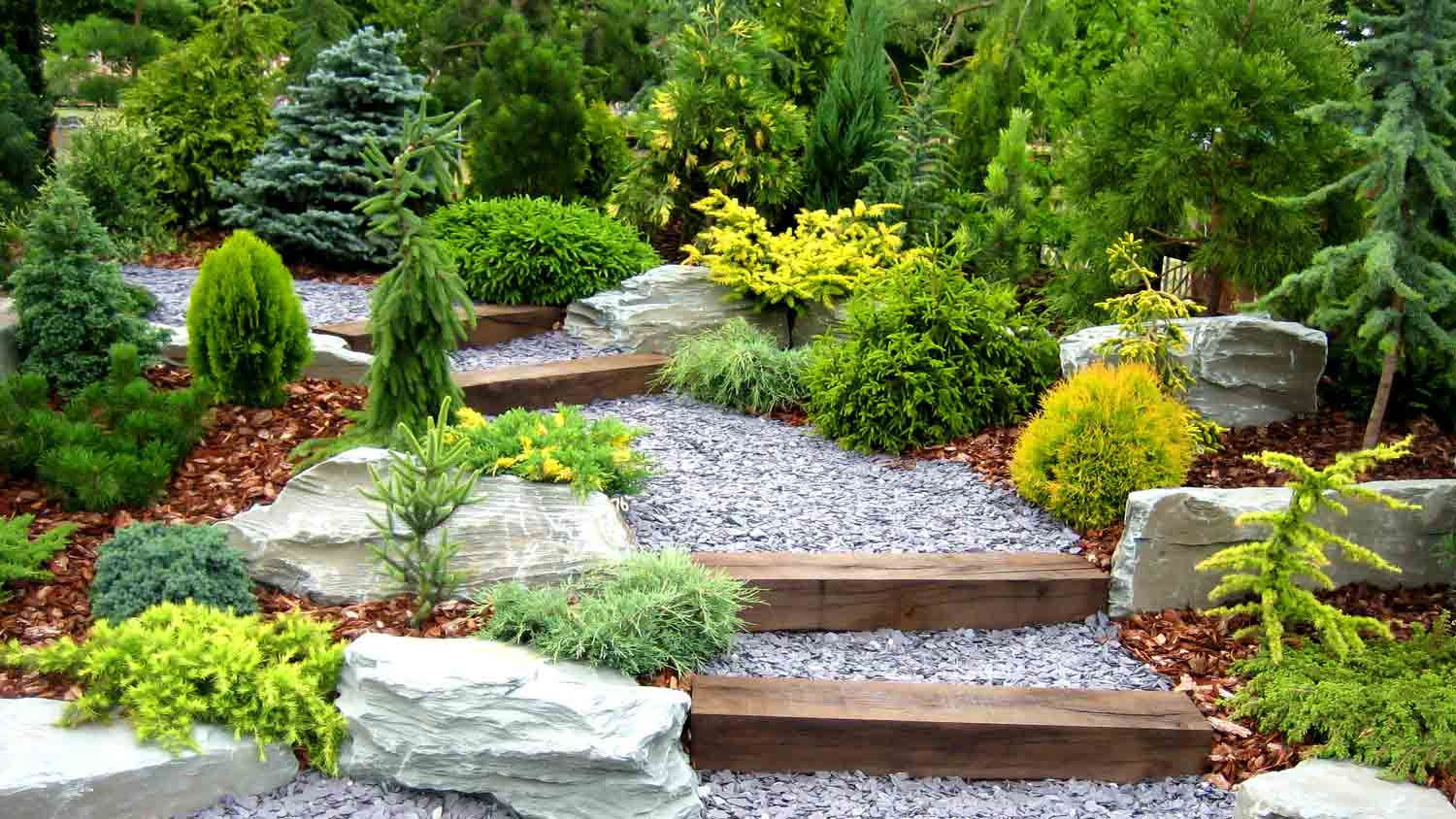
The best type of rock for landscaping depends on your specific project and needs, as different rocks are suited for different applications. For covering large areas or creating an affordable driveway, consider gravel, but note that it can wash away in flowing water. For water features, river rocks are a good option. Flagstone and cobblestone are ideal for aesthetically pleasing patios and walkways. If you are building a stone wall, fieldstone or small boulders are up to the task. Large boulders and landscape rocks work well as statement pieces, to fill empty space, or to indicate boundaries, but be mindful that they can overwhelm smaller gardens. The best approach is to first define your landscaping project and then select the rock type that best fits that purpose.

The Corydon, IN homeowners’ guide to landscaping services

From average costs to expert advice, get all the answers you need to get your job done.