
Top-rated asphalt driveway pros.

Get matched with top asphalt driveway pros in Clarksville, IN

Enter your zip and get matched with up to 5 pros

Need a pro for your asphalt driveway service project in Clarksville, IN?

Select your specific project to find the pro for you.

TRUSTED BY CLARKSVILLE, IN HOMEOWNERS

  • Average homeowner rating star icon4.7
    Average homeowner rating
  • Verified reviews icon15
    Verified asphalt driveway services reviews

Find Asphalt driveway pros in Clarksville

Avatar for Yard Works
Yard Works
4.9(
14
)
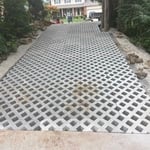
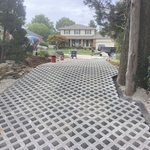
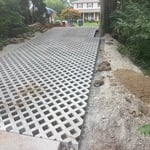
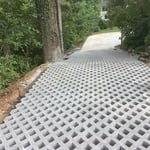
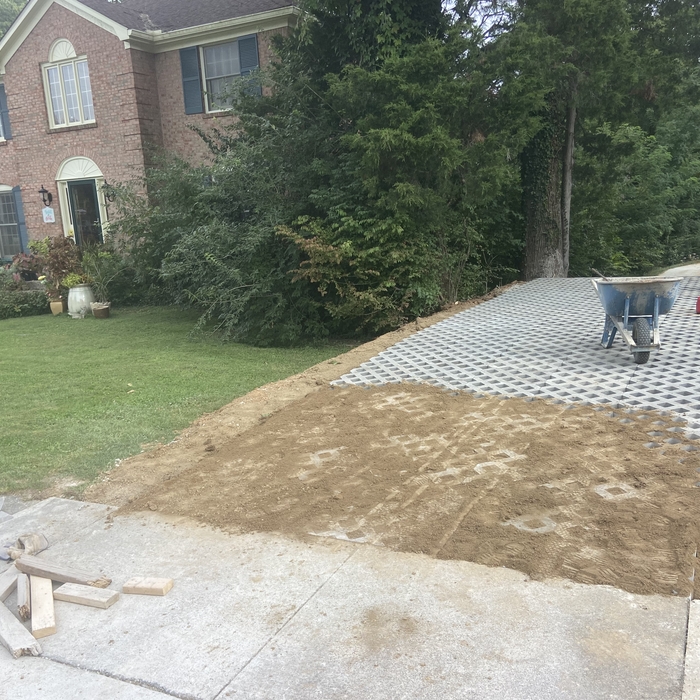
Interlocking Pavers for Driveways & Floors - Install

Serving Clarksville, IN and surrounding areas

Approved

In business since 2015

Free estimates

Emergency services offered

"Was quick to reply to my initial inquiry, and then was quick to come and do the work. Did the job just as I wanted. Will keep him in my â  handyman to contactâ  list for any future projects"
Response time4 hrs
Response rate96%
Recommended by100%of homeowners
...
Showing 1-10 of 229
Asphalt Driveways questions, answered by experts

It takes recycled asphalt 48 hours to initially harden and up to 3 months to fully cure. It’s best to stay off of recycled asphalt for at least 48 hours, then you can walk or drive standard vehicles on it. Hold off on driving heavy trucks or equipment on it for at least 7 days. Allowing the surface to melt together and harden ensures that the surface stays durable and long-lasting. 

The cost to pour a driveway apron depends on the material and size. Concrete costs $3 to $10 per square foot, asphalt ranges from $2 to $5, and pavers are $5 to $15 per square foot. Additional expenses, like excavation, base material, and labor, can increase the total cost. For example, a standard 12x15-foot concrete apron could cost between $540 and $1,800, depending on local rates and additional work required. Always consult a local driveway paving contractor to get an accurate estimate tailored to your project.
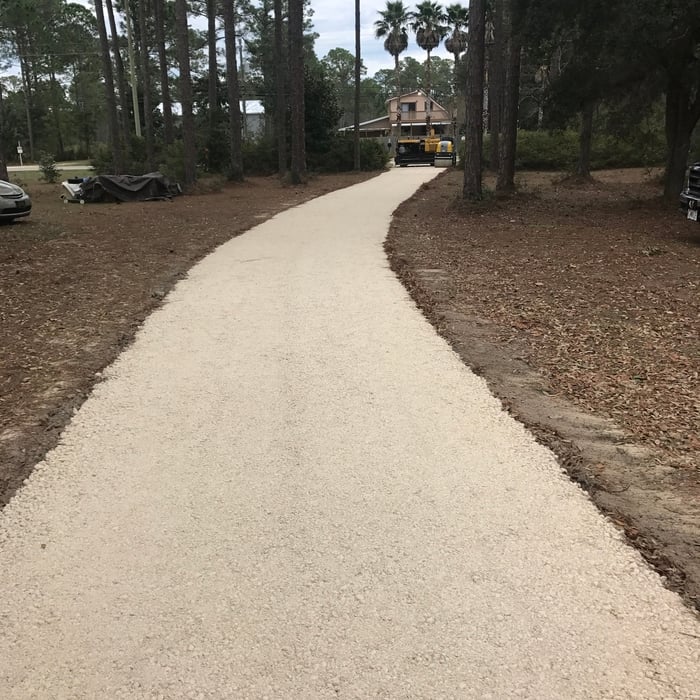

Gravel is the cheapest way to extend a driveway. Gravel is an affordable, practical option that’s easy to install and perfect for DIY projects, helping you save on labor costs. It can be quickly spread and leveled to create extra driveway space without heavy preparation. While gravel doesn’t offer the same durability or finished look as concrete or asphalt, its low cost makes it ideal for budget-conscious homeowners who want a functional solution without overspending.

Wet cutting is usually the preferred method. It controls dust, which helps protect your lungs and makes for a cleaner working environment. Plus, the water cools the blade, preventing overheating and prolonging its life while providing smoother, more precise cuts. The downside is the mess—water and asphalt sludge can be messy to clean. Dry cutting, though convenient if water isn’t available, creates a lot of dust, which can be harmful. This also increases the risk of blade damage due to overheating. So, if you have the option, wet cutting is the better method for most asphalt jobs.

Common alternatives to a gravel driveway include concrete, asphalt, brick, stone pavers, and permeable pavers. Concrete and asphalt are generally the most affordable options. However, concrete can be prone to cracking in cold climates, while asphalt may soften in areas with high heat and direct sun exposure. For enhanced curb appeal, brick, stone, and permeable pavers are popular choices, though their installation can be more expensive due to intricate designs. Stone pavers offer a natural look and are sometimes installed with gravel around them. Both permeable pavers and brick driveways provide excellent drainage, which helps prevent flooding and reduce water runoff.

The Clarksville, IN homeowners’ guide to asphalt driveway services

From average costs to expert advice, get all the answers you need to get your job done.