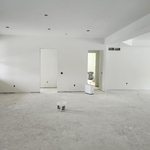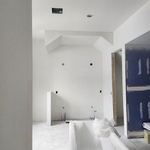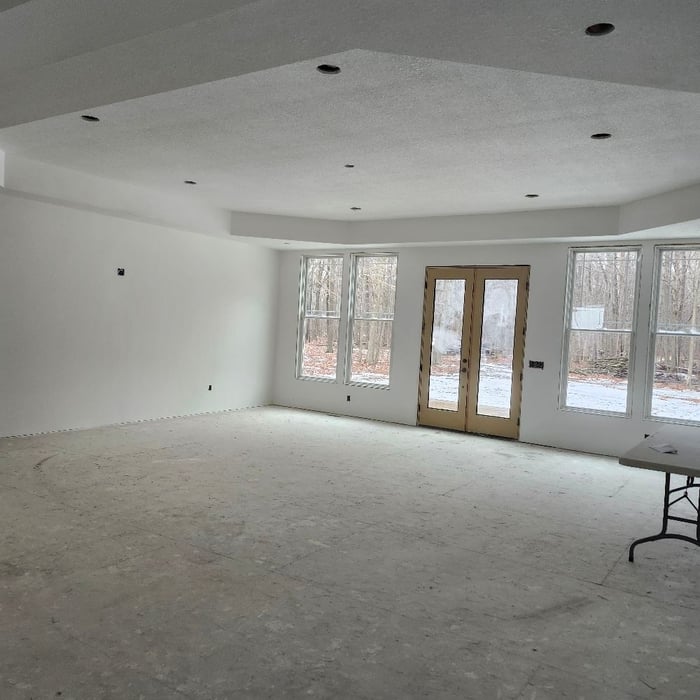









Top-rated drywall pros.

Get matched with top drywall pros in Butler, IN

Enter your zip and get matched with up to 5 pros

Need a pro for your drywall service project in Butler, IN?

Select your specific project to find the pro for you.

TRUSTED BY BUTLER, IN HOMEOWNERS

  • Average homeowner rating star icon4.2
    Average homeowner rating
  • Verified reviews icon12
    Verified drywall services reviews

Find Drywall pros in Butler

Avatar for Crawford's Drywall
Crawford's Drywall
5.0(
53
)
Drywall - InstallDrywall - RepairDrywall - Install - For Business+1 more

Serving Butler, IN and surrounding areas

Approved

Super Service Award Winner

In business since 1999

Free estimates

Emergency services offered

"Crawford's drywall has done many projects for us. Daryl does quality work and finishes drywall to perfection. The price is reasonable and we are always treated fair. I will be hiring Crawford's drywall without hesitation for all future drywall projects."
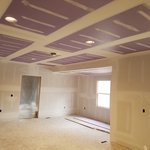
Drywall Project
Additional Photos
Additional Photos
Additional Photos
Additional Photos

+31

Response time7 hrs
Response rate100%
2 neighbors recently requested a quote
Avatar for Aquino & Sons Drywall LLC
Aquino & Sons Drywall LLC
5.0(
6
)
Drywall - InstallDrywall - Install - For BusinessDrywall - Repair+1 more

Serving Butler, IN and surrounding areas

Approved

In business since 2019

Free estimates

Credit card accepted

Aquino & Sons Drywall LLC is proud to be locally owned and operated. We pride our company on reliability, great communication, integrity, and quality work. We are experts in our trade and will do our best to keep you as educated as we can on your particular task or project. Call on us today. We look forward to earning your business!

Recommended by60%of homeowners
Avatar for Mister Drywall Solution
Mister Drywall Solution
4.0(
2
)
Drywall - RepairDrywall - Repair - For Business

Serving Butler, IN and surrounding areas

Approved

In business since 2024

Free estimates

Small jobs welcome

"Had problems showing up on time. Had to put on vinyl siding but struggled to get it right. Had to repaint inside wall 3 times, had to re-mud twice. Tried really hard to do a good job and kept coming back until I was satisfied. Brought 3 year old son to the job (mother was present but would have gotten more done without having to watch him). Very pleasant and eager to please but not sure of their experience level."
Drywall
Drywall
Drywall
Drywall
Drywall

+5

3 neighbors recently requested a quote
Done up
New to Angi
Drywall - InstallDrywall - Install - For BusinessDrywall - Repair+1 more

Serving Butler, IN and surrounding areas

Approved

Free estimates

Emergency services offered

Warranties offered

I’m a one-stop shop for all your maintenance needs, with a knack for tech and a wide range of skills in various trades. Nothing too big to tackle and nothing too simple I won’t accept. Not to mention I can promise to beat larger companies and there estimates every single time\n\n

1 neighbors recently requested a quote
...
Showing 1-10 of 73
Drywall questions, answered by experts

Whether you can reuse a drywall anchor depends on its type, material, and how it is removed. Plastic anchors, such as expansion or self-drilling types, are generally considered single-use because they are designed to expand and are likely to break or become deformed upon removal. Metal anchors, like toggle bolts, are more durable and can often be reused if they are not damaged during extraction. However, with toggle bolts, the toggle mechanism can fall inside the wall when the bolt is removed, making it difficult to retrieve. If an anchor is damaged or must be cut for removal, it cannot be reused regardless of its material.

You should leave a gap between drywall sheets because they naturally expand and contract along with the building framing as temperature and humidity change. Most pro drywall installers leave a gap of about ⅛ inch between drywall sheets, allowing the sheets to expand, contract, and shift without cracking or becoming damaged. If you don’t leave enough gaps between slabs, the edges will press against each other when they expand, and the pressure can cause visible cracks.

Plaster itself has a higher R-value than drywall. However, there are other considerations surrounding plaster and insulation. As a general rule, it's easier to obtain consistency in insulating value and quality when working with drywall rather than plaster. Plaster walls often don't contain any insulation behind the wall covering by design, and careful evaluation is necessary when choosing to add it.

Plastering and skimming are two different techniques for finishing walls. Plastering involves applying a thick layer of a plaster mixture—typically containing gypsum, lime, cement, sand, and water—to create a new surface. This process often requires multiple coats and is used for repairing significant damage or creating decorative textures. Skimming, on the other hand, is a technique that involves applying a thin layer of drywall compound or joint compound over an existing surface to smooth it out, covering minor imperfections, small cracks, or uneven textures for a polished look. Plastering is generally more costly and labor-intensive than skimming. Although some people use the terms interchangeably, they refer to different processes and materials.

All plaster walls will crack over time due to normal house settling and expansion and contraction from temperature and moisture changes. Small, thin hairline cracks are generally not serious and are mostly a cosmetic issue. However, larger or more significant cracks can indicate structural problems.

Here's how to tell the difference:

  • Cosmetic Cracks: Cracks that are 0.5 cm (0.2 inches) or thinner are typically cosmetic.

  • Structural Cracks: Cracks wider than 0.5 cm, excessive or deep cracks, multiple cracks in the same area, or cracks that span around corners can signify a structural or foundation issue. Cracks along the joints where walls meet the ceiling also warrant attention.

For cracks wider than 0.5 cm, structural repair is needed. If a crack is 2.5 cm (1 inch) or wider, or if you notice any signs of a structural problem, it is best to contact a plaster repair professional to assess the damage.

The Butler, IN homeowners’ guide to drywall services

From average costs to expert advice, get all the answers you need to get your job done.