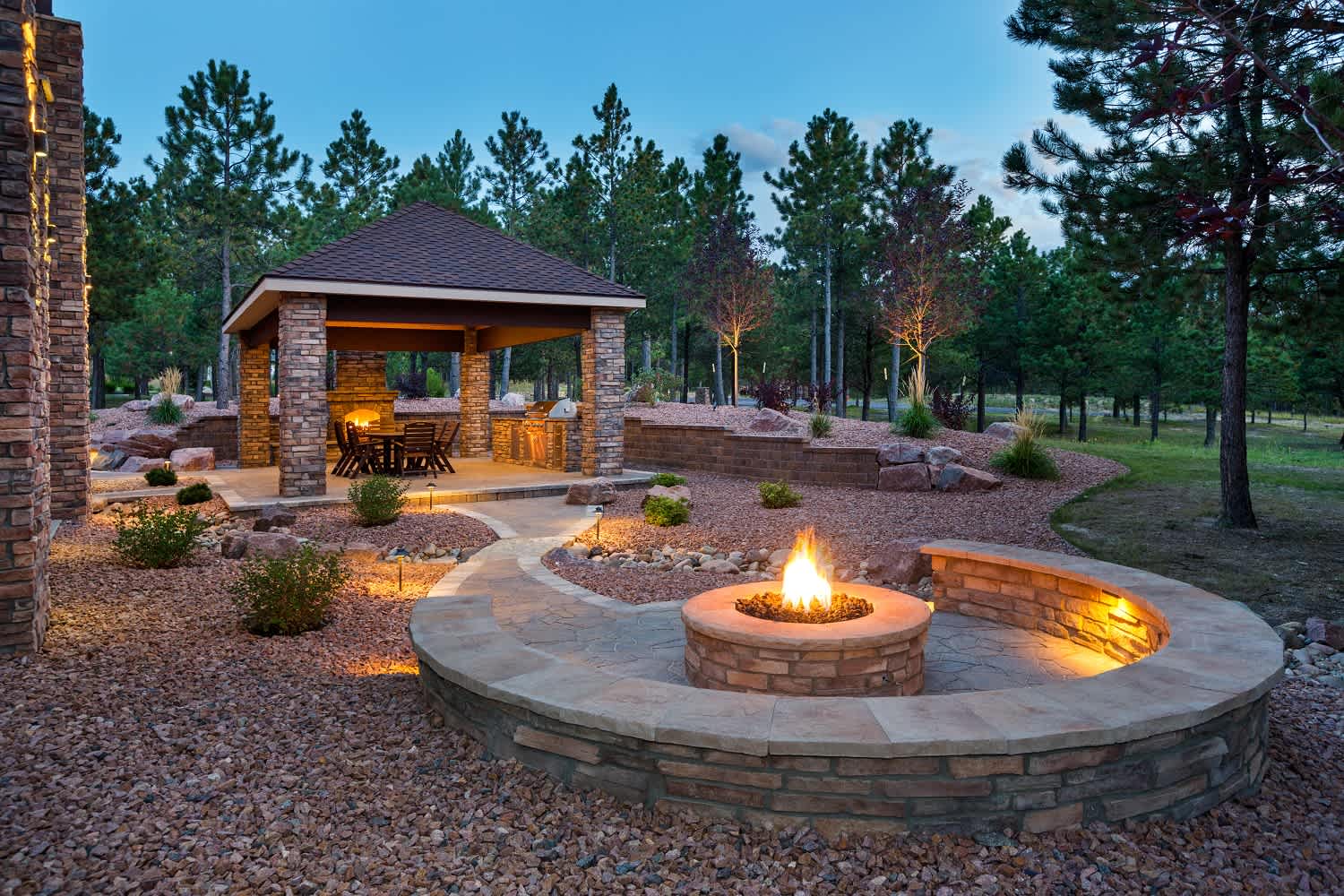







Top-rated fire pit installation pros.

Get matched with top fire pit installation pros in Andrews, IN

Enter your zip and get matched with up to 5 pros

Need a pro for your fire pit installation project in Andrews, IN?

Select your specific project to find the pro for you.

TRUSTED BY ANDREWS, IN HOMEOWNERS

  • Average homeowner rating star icon4.9
    Average homeowner rating
  • Verified reviews icon19
    Verified fire pit installation services reviews

Find Fire pit installation pros in Andrews

No results for Fire pit installation pro in

Try adjusting your search criteria.
Fire Pit Installation questions, answered by experts

Yes, you need to leave your chimney damper open when burning a creosote log so that smoke and other debris doesn’t waft into your house as it’s burning. You’ll need to make sure your damper is fully open, even when the log continues to smoke, until it’s completely out and cold.

Your pilot light needs to be on whenever you’re using your furnace to heat your home. However, you might decide to turn it off during the summer months, when you don’t need heating. Doing this can save you a little bit of money on utility costs—just make sure you’re fine with relighting your pilot light (or hiring a professional to do it) when fall comes around and you’re ready to get cozy.

The primary disadvantage of a ventless fireplace is that it doesn’t have an exterior venting system. This means that the byproducts from combustion are emitted into your home, which raises some safety concerns. In addition, ventless gas fireplaces produce moisture as they burn—and if there’s no ventilation, you could end up with a mold problem.

The damper, located just above the firebox, can open or close the chimney flue. The damper should remain closed unless there’s a fire burning in the fireplace. Closing the damper prevents energy loss through the chimney and cold air from seeping into the home during the winter. Opening the damper helps maintain airflow when there is a fire and prevents smoke and gases from venting into the house.

It’s technically possible in some areas to install your own fire suppression system, but it’s usually not a good idea. Your system must conform to the fire code in your area and will need to pass a rigorous inspection before being activated and deemed safe. Installing a fire suppression system is a complicated job, and making mistakes as a DIYer is likely. Those mistakes can cause you to fail your inspection, which means you’ll have to spend more time fixing the issues or money to have a certified plumber do the work for you. It’s best to hire a professional.

The Andrews, IN homeowners’ guide to fire pit installation services

From average costs to expert advice, get all the answers you need to get your job done.