





Top-rated excavation pros.

Get matched with top excavation pros in Worden, IL

Enter your zip and get matched with up to 5 pros

Need a pro for your excavation project in Worden, IL?

Select your specific project to find the pro for you.

Find Excavation pros in Worden

Avatar for AB excavation
AB excavation
New to Angi

Serving Worden, IL and surrounding areas

Approved

Free estimates

Small jobs welcome

Credit card accepted

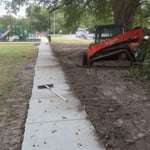
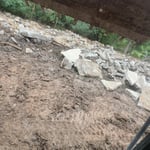
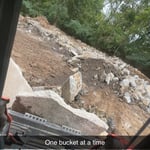
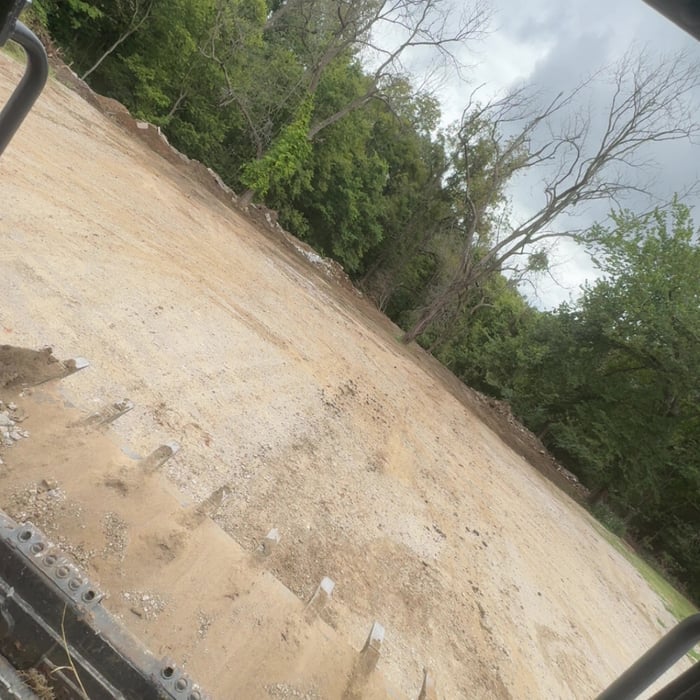
AB Excavation is a locally owned and operated excavation and land clearing company based in Highland, Illinois.\nWe specialize in land clearing, grading, and site preparation for residential and small commercial projects. Our work includes Fences, small lot clearing, new home site prep, demolition and haul-off, pond and water feature excavation, and culvert installation.\n\nWe take pride in doing the job right the first time, showing up when we say we will, and communicating clearly with our customers from start to finish. Whether it’s clearing property, prepping a build site, or handling drainage work, we focus on quality workmanship, efficiency, and fair pricing.\n\nWe serve Highland and the surrounding areas and work closely with homeowners, builders, and property owners to get projects completed safely and on schedule.

CJ pro lawns
New to Angi

Serving Worden, IL and surrounding areas

Approved

CJ Pro Lawns is your local expert for professional lawn care and pressure washing services. With a focus on reliability and meticulous attention to detail, we help homeowners keep their properties looking their absolute best year-round. From precision lawn maintenance to restoring your home’s surfaces with expert pressure washing, we pride ourselves on punctuality and high-quality results. Fully insured and dedicated to customer satisfaction, we treat every property as if it were our own.

1 neighbors recently requested a quote
TNT Turnover Services
New to Angi

Serving Worden, IL and surrounding areas

Approved

TNT Turnover Services isn’t just remodeling spaces—we’re transforming them.\n\nWe take outdated, worn, or underperforming areas and turn them into clean, modern, high-impact spaces built to impress and made to last. From kitchens and bathrooms to full property turnovers, our work is driven by precision, quality craftsmanship, and attention to every detail.\n\nAt TNT Turnover Services, we don’t believe in shortcuts—we believe in results. We bring reliability, speed, and professionalism to every project, delivering a smooth, hassle-free experience from start to finish. On time. On budget. Done right.\n\nWhether you’re upgrading your home or preparing a property for its next chapter, we’re here to raise the standard and exceed expectations.

1 neighbors recently requested a quote
...
Showing 1-10 of 96
Excavating questions, answered by experts

In the United States, a depth of 36 inches (three feet) for underground water lines is the accepted industry standard. This depth varies from location to location based on local conditions. In areas with colder winters, they may be buried deeper to prevent frozen well water pipes : This is usually at least six inches below the frost level. The International Plumbing Code calls for a minimum of 12 inches below grade.

Digging a bush up by the roots is the most natural DIY method for removing a bush stump. Start by identifying the shrub type and revealing its roots. Cut the shrub to its base and loosen the soil, ensuring no utility lines are nearby. Optionally, treat the base with herbicide, then dig around the roots and cut a circle around the shrub using various tools. Dig a trench, cut the base of the root ball, and finally fill the hole to prevent regrowth. This thorough process ensures complete removal without damaging surrounding areas.

We recommend removing the stump, and grinding is a popular way to do it. You can also dig out small stumps or stumps that have fully decayed instead of grinding them. However, don’t try using acids or fire for killing a tree stump, which is a fire hazard and illegal in many areas.

Leaving the stump alone invites eventual problems, including attracting termites, mold, and fungi.

Trenches are typically 12 to 24 inches deep and 8 inches wide. However, the required depth depends on the specific project and local ordinances. For example, a French drain may need to be 18 inches deep, while a water pipe might require a depth of 24 inches and a drainage pipe 36 inches. Your city or county may have specific regulations, so it's wise to consult with an excavation professional to determine the correct depth for your project.

Depth is not a qualifying component of evacuation. Any human-made cut, cavity, or depression in the earth’s surface is considered excavation. The hole from excavation can be any size, shape, or depth. Excavation is used to create foundations, reservoirs, drainage ditches, and roads. Long, narrow excavations are called trenches and are often used for underground utilities.

The Worden, IL homeowners’ guide to excavation services

From average costs to expert advice, get all the answers you need to get your job done.