Top-rated drywall pros.

Best drywall pros near Taylorville, IL

Enter your zip and get matched with up to 5 pros

Need a pro for your drywall service project in Taylorville, IL?

Select your specific project to find the pro for you.

Top-Rated Drywall pros in Taylorville - Updated Nov 2026

Guerrero's Drywall Finish and Repair
5.0(
4
)
Drywall - Repair

Serving Taylorville, IL and surrounding areas

Approved

In business since 2016

Free estimates

Customers say: Quick response

"We needed a ceiling plaster repair done quickly so that we could list our house for sale. All the other companies we called were at least a month out from even giving us an estimate. Mr. Guerrero came the day after we called, gave us an estimate and fixed our plaster within five days, even returning several days later to ensure that everything still looked good. Could not be more pleased with his service!"
Response time10 mins
Recommended by50%of homeowners
Mueller Contracting LLC
New to Angi
Drywall - Install - For Business

Serving Taylorville, IL and surrounding areas

Approved

Free estimates

Small jobs welcome

Offers commercial services

We are a small, family based company that provides excellent communication, and excellent work. We have a high attention to detail. We would be appreciative of your work. We have been in the construction industry for 20 years. We can provide select demolition, small structural demolition, and clean up services.

1 neighbors recently requested a quote
...
Showing 1-10 of 69
Drywall FAQs, answered by experts

Both plaster and drywall are durable wall finishes, but they differ significantly in installation, cost, performance, and aesthetics.

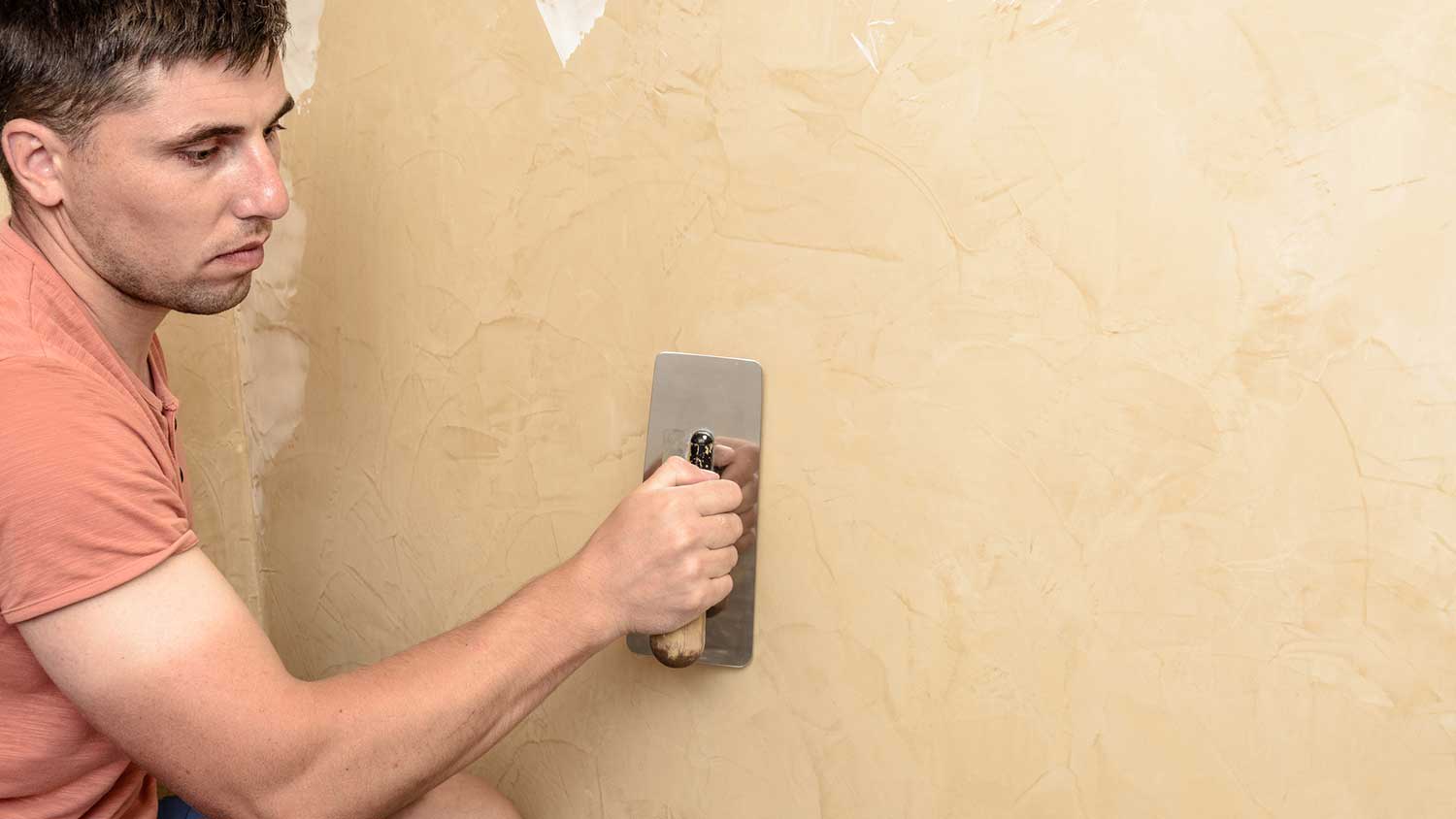
Installation & Cost: Drywall installation is faster and more affordable, typically costing $1.50 to $3 per square foot. It uses premade sheets, making it a more accessible DIY project. Plastering is a labor-intensive craft that requires specialized skills, pushing costs to $2 to $10 per square foot. It involves applying a wet paste over a lath framework.

Durability & Performance: Plaster is generally more durable, longer-lasting, and provides superior soundproofing. It is also a better insulator, which can help reduce energy costs. Drywall is easier to remove for future renovations.

Aesthetics: Drywall provides a smooth, uniform surface ready for paint or texture. Plaster offers a high-end, naturally textured look that can hide imperfections and is often preferred for achieving a classic or historic aesthetic.

Which is better? The choice depends on your priorities. Drywall is ideal for those prioritizing a lower upfront cost, faster installation, and DIY potential. Plaster is the better option for a higher-end project where durability, soundproofing, and a unique, premium finish are more important than the initial cost.
Yes, small, superficial cracks are normal as homes settle. Older homes have a higher chance of showing signs of settling through hairline cracks from temperature changes, moisture changes, and soil shifting. However, larger cracks, or discolored cracks from water damage, may signify a bigger problem that requires reparations and preventative measures.

Whether Venetian plaster increases your home's value often depends on the buyer's preference. As a purely aesthetic upgrade, it doesn't add structural value in the same way a kitchen or bathroom remodel might. However, its beautiful and attractive appearance can make a home more appealing to potential buyers, possibly leading to more interest, higher offers, and increased competition when you sell.

When sanding drywall mud, you’re going to create a very fine dust that may contain silica. Silica dust contains crystalline silica, which can cause long-term illnesses for people who inhale it in significant quantities. Wear a mask while sanding drywall. Then dampen a drywall sponge to wipe the dust off the drywall, helping to reduce the amount of dust that may become airborne.

There are several benefits to wet-sanding drywall, but the main perk is that it produces far less dust than dry-sanding. As a result, wet-sanding poses fewer health risks and makes less of a mess in your home. Plus, damp sponges are less abrasive than sandpaper, so there’s a smaller chance of scratching or damaging the drywall paper. Wet-sanding also creates a smoother finish than dry-sanding.

The Taylorville, IL homeowners’ guide to drywall services

From average costs to expert advice, get all the answers you need to get your job done.