
Top-rated drywall pros.

Get matched with top drywall pros in Mount Zion, IL

Enter your zip and get matched with up to 5 pros

Need a pro for your drywall service project in Mount Zion, IL?

Select your specific project to find the pro for you.

TRUSTED BY MOUNT ZION, IL HOMEOWNERS

  • Average homeowner rating star icon4.1
    Average homeowner rating
  • Verified reviews icon26
    Verified drywall services reviews

Find Drywall pros in Mount Zion

Guerrero's Drywall Finish and Repair
5.0(
4
)
Drywall - Repair

Serving Mount Zion, IL and surrounding areas

Approved

In business since 2016

Free estimates

Customers say: Quick response

"We needed a ceiling plaster repair done quickly so that we could list our house for sale. All the other companies we called were at least a month out from even giving us an estimate. Mr. Guerrero came the day after we called, gave us an estimate and fixed our plaster within five days, even returning several days later to ensure that everything still looked good. Could not be more pleased with his service!"
Response time10 mins
Recommended by50%of homeowners
Green Drywall
New to Angi
Drywall - InstallDrywall - Repair

Serving Mount Zion, IL and surrounding areas

Approved

In business since 1980

Free estimates

Credit card accepted

We're a locally owned and operated company with over 35 years of industry experience. We value honesty and integrity in all aspects of our business. We offer a variety of Home Improvement services that are customizable to each individual project. We specialize in plaster and drywall work and a variety of related service and repair projects. We pride ourselves on the quality of our work as well as our commitment to outstanding results. We look forward to building lasting relationships with our clients and guarantee your satisfaction!

Response time2 days
Avatar for AOM Remodeling and Restoration
AOM Remodeling and Restoration
4.6(
52
)
Drywall - InstallDrywall - Install - For BusinessDrywall - Repair+1 more

Serving Mount Zion, IL and surrounding areas

In business since 2012

Free estimates

Emergency services offered

"After a "simple" bathroom repainting turned into a nightmare of peeling paint from permanent wallpaper, with damaged drywall as a result, David provided me with options for repairing the walls with a new, cost-conscious finish and then painted the room for me as well. He was extremely punctual and responsive, professional and anxious to provide excellent customer service. He was accurate in how much time the job would take, and his price guarantee made sure that no hidden costs popped up at the last minute. He did a great job, and saved us A LOT of frustration and stress."
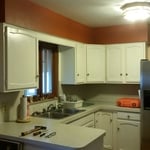
Kitchen accent
picture 1
picture 2
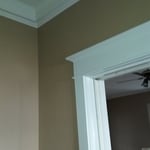
tan and white trim room
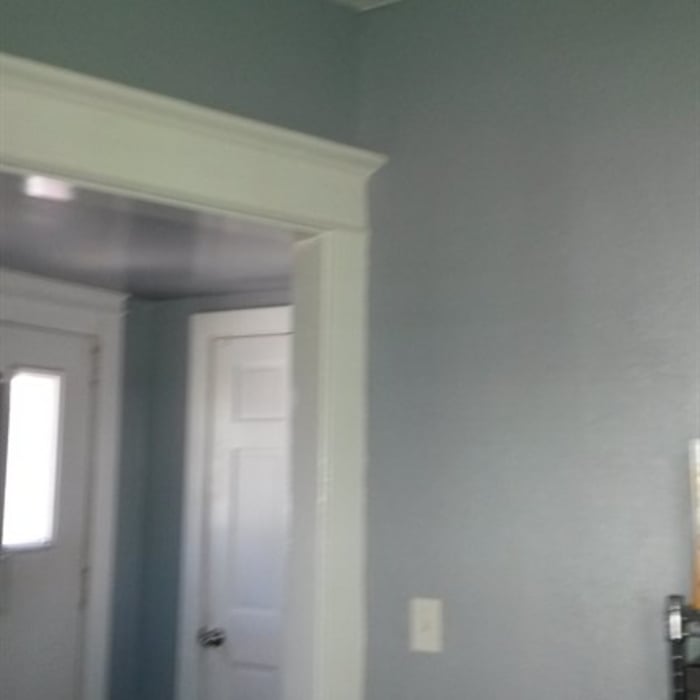
blue and white trim room

+5

Recommended by90%of homeowners
...
Showing 1-10 of 74
Drywall questions, answered by experts

Although they have similar applications, spackle and joint compound are not the same. Their primary differences lie in their composition, consistency, and ideal use cases.

Spackle is composed of gypsum and binding agents, making it thicker than joint compound. It dries quickly and is easy to sand, which makes it ideal for small wall repair projects like filling nail holes or patching minor damage.

Joint compound, also known as drywall mud, consists of limestone and gypsum. It is primarily used for large-scale projects, such as taping and finishing the seams on newly installed drywall. It tends to shrink more than spackle and can be more difficult to spread.

While both products can be used to fill small depressions and cracks, spackle cannot replace joint compound for taping and mudding new drywall. Conversely, you can often use joint compound for small patching jobs typically done with spackle.

All plaster walls will crack over time due to normal house settling and expansion and contraction from temperature and moisture changes. Small, thin hairline cracks are generally not serious and are mostly a cosmetic issue. However, larger or more significant cracks can indicate structural problems.

Here's how to tell the difference:

  • Cosmetic Cracks: Cracks that are 0.5 cm (0.2 inches) or thinner are typically cosmetic.

  • Structural Cracks: Cracks wider than 0.5 cm, excessive or deep cracks, multiple cracks in the same area, or cracks that span around corners can signify a structural or foundation issue. Cracks along the joints where walls meet the ceiling also warrant attention.

For cracks wider than 0.5 cm, structural repair is needed. If a crack is 2.5 cm (1 inch) or wider, or if you notice any signs of a structural problem, it is best to contact a plaster repair professional to assess the damage.

It’s always better to follow proven drywall repair tips and fix the seams that look bad. However, if you simply want to make them less noticeable until you have time to fix them, you can use paint. A darker color of paint makes bad drywall tape seams less noticeable than light-colored paint. Matte paint hides bad seams better than glossy paint does, too.

Both plaster and drywall are durable wall finishes, but they differ significantly in installation, cost, performance, and aesthetics.

Installation & Cost: Drywall installation is faster and more affordable, typically costing $1.50 to $3 per square foot. It uses premade sheets, making it a more accessible DIY project. Plastering is a labor-intensive craft that requires specialized skills, pushing costs to $2 to $10 per square foot. It involves applying a wet paste over a lath framework.

Durability & Performance: Plaster is generally more durable, longer-lasting, and provides superior soundproofing. It is also a better insulator, which can help reduce energy costs. Drywall is easier to remove for future renovations.

Aesthetics: Drywall provides a smooth, uniform surface ready for paint or texture. Plaster offers a high-end, naturally textured look that can hide imperfections and is often preferred for achieving a classic or historic aesthetic.

Which is better? The choice depends on your priorities. Drywall is ideal for those prioritizing a lower upfront cost, faster installation, and DIY potential. Plaster is the better option for a higher-end project where durability, soundproofing, and a unique, premium finish are more important than the initial cost.

Vinegar and bleach are effective options for removing mold from drywall. Vinegar is a better choice if you have a smaller mold issue while bleach is best if you have a larger mold problem. If the area you're cleaning has limited ventilation, using vinegar would be a better option. In that case, you could mix vinegar with baking soda to remove more stubborn mold growth.

The Mount Zion, IL homeowners’ guide to drywall services

From average costs to expert advice, get all the answers you need to get your job done.