


Top-rated drywall pros.

Best drywall pros near Divernon, IL

Enter your zip and get matched with up to 5 pros

Need a pro for your drywall service project in Divernon, IL?

Select your specific project to find the pro for you.

TRUSTED BY DIVERNON, IL HOMEOWNERS

  • Average homeowner rating star icon4.2
    Average homeowner rating
  • Verified reviews icon17
    Verified drywall services reviews

Top-Rated Drywall pros in Divernon - Updated Nov 2026

Mueller Contracting LLC
New to Angi
Drywall - Install - For Business

Serving Divernon, IL and surrounding areas

Approved

Free estimates

Small jobs welcome

Offers commercial services

We are a small, family based company that provides excellent communication, and excellent work. We have a high attention to detail. We would be appreciative of your work. We have been in the construction industry for 20 years. We can provide select demolition, small structural demolition, and clean up services.

1 neighbors recently requested a quote
...
Showing 1-10 of 80
Drywall FAQs, answered by experts

Although they have similar applications, spackle and joint compound are not the same. Their primary differences lie in their composition, consistency, and ideal use cases.

Spackle is composed of gypsum and binding agents, making it thicker than joint compound. It dries quickly and is easy to sand, which makes it ideal for small wall repair projects like filling nail holes or patching minor damage.

Joint compound, also known as drywall mud, consists of limestone and gypsum. It is primarily used for large-scale projects, such as taping and finishing the seams on newly installed drywall. It tends to shrink more than spackle and can be more difficult to spread.

While both products can be used to fill small depressions and cracks, spackle cannot replace joint compound for taping and mudding new drywall. Conversely, you can often use joint compound for small patching jobs typically done with spackle.

Very little. One inch of water can stain walls, warp wood, and create a perfect environment for mold growth. One to two inches of water can do significant damage to drywall, insulation, and electrical systems. Anything over that is considered an extensive flood, often resulting in severe structural damage.

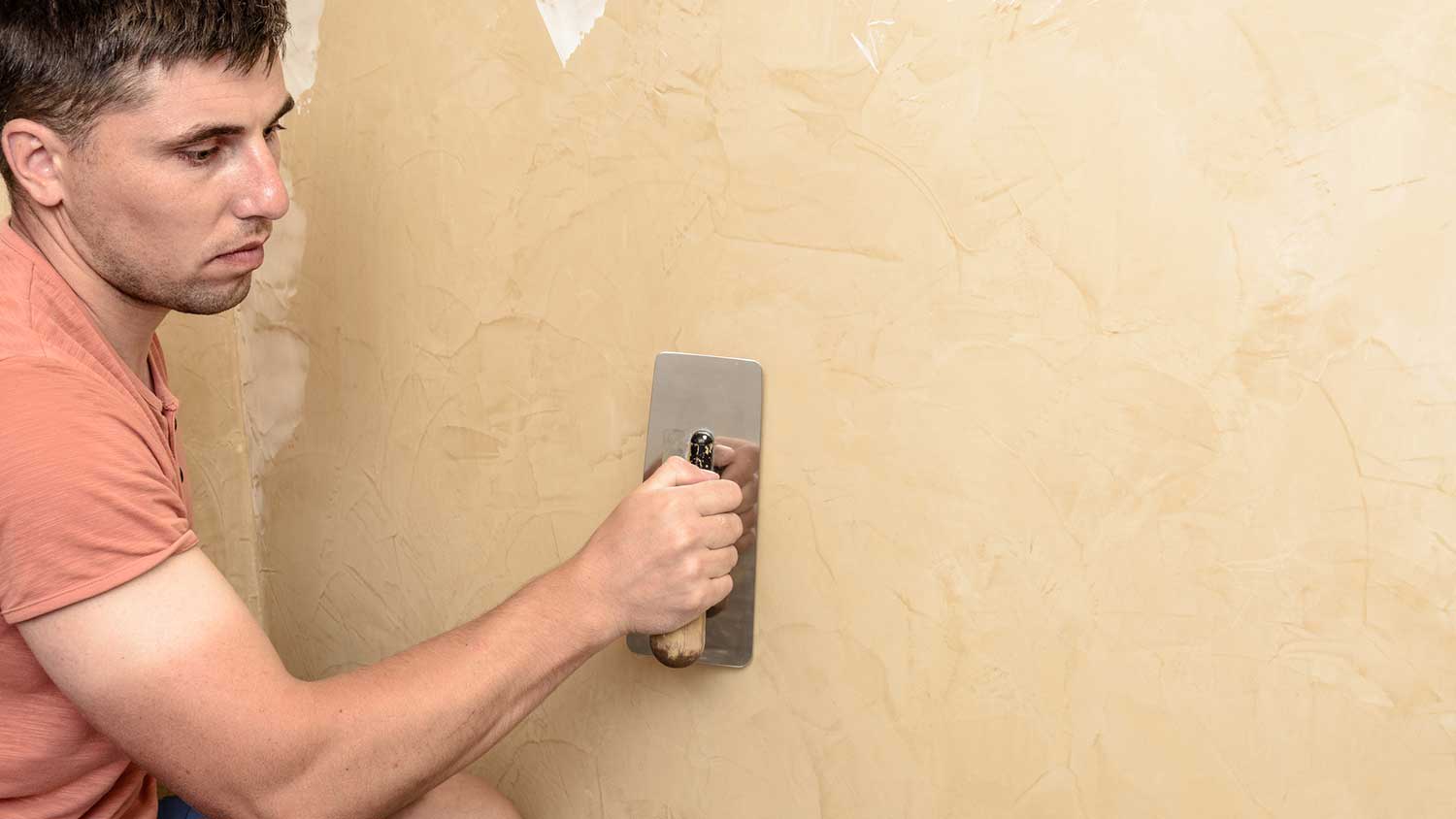
The average cost to apply a skip-trowel drywall texture to walls is $1.25 to $2.00 per square foot. Ceilings cost slightly more because of the increased difficulty of working overhead. Additional cost factors include any drywall repairs and removal of existing textures or wallpaper.

While every home has its own unique needs, ceiling drywall installation typically follows a staggered or stepped pattern to enhance structural integrity and reduce the visibility of seams. Starting from one corner, sheets are placed perpendicular to the ceiling joists, with the ends of adjacent sheets meeting along the center of the joist. The next row begins with a half sheet, ensuring joints don't align vertically. This alternating pattern, combined with proper taping and mudding, creates a seamless appearance and strengthens the ceiling structure, minimizing the risk of cracks over time.

Drywall can get wet and dry out without sustaining permanent damage, but only if the water damage is minor. If you have a small leak and are quick to correct the issue and set up blower fans and dehumidifiers, your drywall should dry out. If the leak is persistent, the drywall becomes totally waterlogged, or mold begins forming on the drywall, you should remove and replace it.

The Divernon, IL homeowners’ guide to drywall services

From average costs to expert advice, get all the answers you need to get your job done.