


Top-rated arborists.

Get matched with top arborists in Posen, IL

Enter your zip and get matched with up to 5 pros

Need a pro for your arboricultural service project in Posen, IL?

Select your specific project to find the pro for you.

TRUSTED BY POSEN, IL HOMEOWNERS

  • Average homeowner rating star icon4.4
    Average homeowner rating
  • Verified reviews icon587
    Verified arboricultural services reviews

Find Arborists in Posen

Gooseland Tree and Excavating
3.5(
2
)
Tree RemovalTree Removal - For BusinessTree Stump - Remove+3 more

Serving Posen, IL and surrounding areas

Approved

In business since 1998

Free estimates

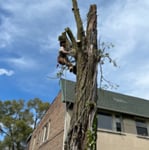
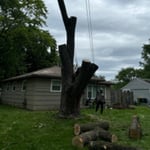
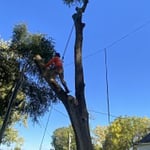
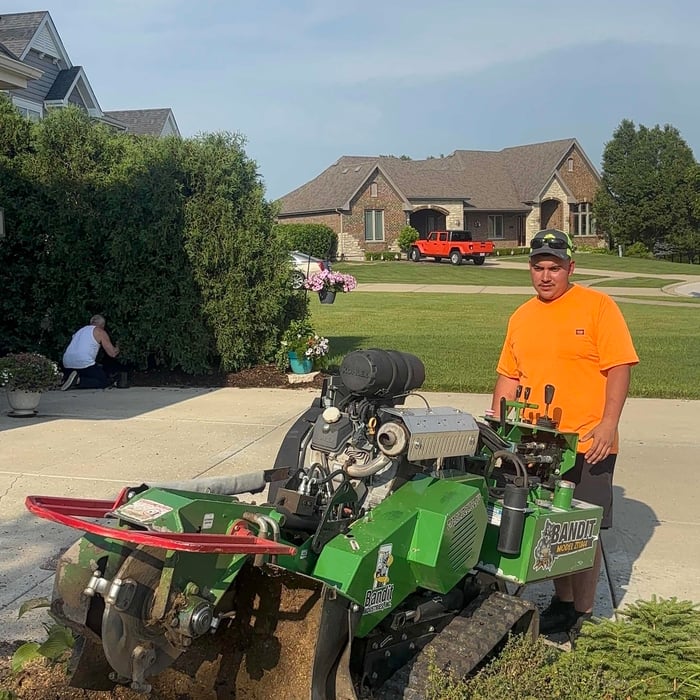
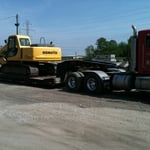
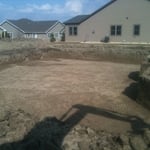
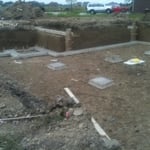
We pride our company on reliability, great communication, integrity, and quality work. We are experts in our trade and will do our best to keep you as educated as we can on your particular task or project. We look forward to earning your business!\nWe have been in business since 1998. We specialize in Excavation work residential and commercial as well as Lawn Maintenance & Tree Removal.

Untitled Gallery 1
Untitled Gallery 1
 Basement
Avatar for Blys Home Solutions
Blys Home Solutions
New to Angi
Tree RemovalTree Trimming

Serving Posen, IL and surrounding areas

Approved

Free estimates

Emergency services offered

Warranties offered

Local handyman with a strong background in animal and pest control! I have multiple services listed that I am capable of providing but do not hesitate to reach out or ask for other or additional services if they are not listed. I may be able to still help!

4 neighbors recently requested a quote
...
Showing 1-10 of 169
Arborists questions, answered by experts

In the short term, you’ll have a lot of fallen trees to deal with. Tree removal services costs typically start at $200 per tree and increase based on species and size. Then, you’ll have to deal with the loss of trees: That means a loss of shade and a greater risk of rain runoff and erosion. Also, you’ll miss out on the health and aesthetic benefits of having trees on your property, which could even affect the resale value of your home.

That being said, cutting down a tree it’s not always a bad idea. Trees growing too close to rooftops can present fire hazards or debris problems. You may need to remove diseased or dying trees to prevent future issues.

Licensing requirements for arborists, also known as tree surgeons, vary by state and municipality. Many areas require a license, which often involves specialized education and experience. Even if not mandated, it's wise to hire a licensed professional as they tend to have more experience. Beyond licensing, look for certifications from organizations like the International Society of Arboriculture (ISA) or the Tree Care Industry Association (TCIA), as this indicates a higher level of expertise. Certified arborists must typically pass a comprehensive exam. Always confirm that the arborist has a business license and is fully insured to protect yourself from liability. Seeking positive recommendations from local homeowners is also a good step in finding a qualified professional.

According to scientists at Penn State University, spotted lanternflies do not typically kill the trees and plants they feed on, but they can cause branches and segments to die off. However, they have been found to kill cultivated grapes, which can have devastating consequences for vineyard owners and regions that heavily rely on vineyards to create jobs and generate revenue. They have also killed the Ailanthu altissima, known as the tree of heaven, though this is classified as a noxious and invasive weed tree.

For safety reasons, leaning trees are best removed by a professional, as they may often tear away from the hinge, causing you to lose control over where the tree falls. If you choose to cut down a tree leaning slightly, avoid cutting off root protrusions before you start. Make your hinge a little longer than usual by cutting it deeper (up to 30% of the diameter) and applying a wedge into the felling cut on the side the tree is leaning. Stand away from the direction the tree leans while making your felling cut.

White vinegar does not kill ivy on trees because its acetic acid concentration is not high enough to overpower it. Vinegar is an effective herbicide for weeds and other plants, but not for the strength of most ivies, including poison ivy and English ivy. You should use an herbicide to kill ivy, such as one with glyphosate, imazapyr, or triclopyr.

The Posen, IL homeowners’ guide to arboricultural services

From average costs to expert advice, get all the answers you need to get your job done.